United Kingdom
195 events
The United Kingdom of Great Britain and Northern Ireland, commonly known as the United Kingdom (UK) or Britain, is a country in Northwestern Europe, off the coast of the continental mainland. It comprises England, Scotland, Wales and Northern Ireland, with a population of over 69 million in 2025. The UK includes the island of Great Britain, the north-eastern part of the island of Ireland, and most of the smaller islands within the British Isles, covering 94,354 square miles (244,376 km2).
Text from the Wikipedia article United Kingdom, CC BY-SA 4.0
Built from Wikidata: an event or person is listed when Wikidata links them to this page, as shown next to each one. Many aren’t recorded there, so this list is incomplete.
Earlier states here
Key people
 William Shakespeare1564 – 1616English playwright and poet (1564–1616)Source: Wikidata (country of birthplace)
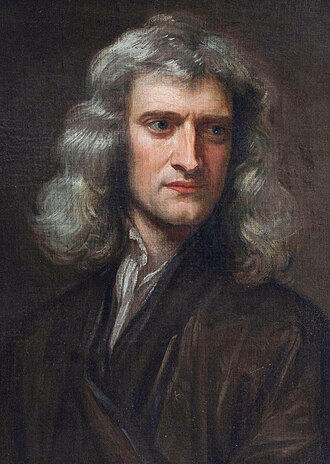 Isaac Newton1642 – 1727English mathematician and physicist (1642–1727)Source: Wikidata (country of birthplace)
 Charles Darwin1809 – 1882English naturalist and biologist (1809–1882)Source: Wikidata (country of birthplace)
 Winston Churchill1874 – 1965British statesman, soldier and writer (1874–1965)Source: Wikidata (citizenship)
 Charlie Chaplin1889 – 1977English actor and filmmaker (1889–1977)Source: Wikidata (citizenship)
 Elizabeth II1926 – 2022Queen of the United Kingdom from 1952 to 2022 (1926–2022)Source: Wikidata (citizenship)
 Charles Dickens1812 – 1870English novelist and social critic (1812–1870)Source: Wikidata (country of birthplace)
 Jimmy Walesb. 1966Co-founder of Wikipedia (born 1966)Source: Wikidata (citizenship)
 Adam Smith1723 – 1790Scottish moral philosopher and political economist (1723–1790)Source: Wikidata (country of birthplace)
 Oscar Wilde1854 – 1900Irish poet, playwright, and aesthete (1854-1900)Source: Wikidata (citizenship)
 Lord Byron1788 – 1824English Romantic poet and lyricist (1788–1824)Source: Wikidata (country of birthplace)
 George Orwell1903 – 1950British writer and journalist (1903–1950)Source: Wikidata (citizenship)
 John Locke1632 – 1704English philosopher and physician (1632-1704)Source: Wikidata (country of birthplace)
 Margaret Thatcher1925 – 2013Prime Minister of the United Kingdom from 1979 to 1990Source: Wikidata (citizenship)
 James Joyce1882 – 1941Irish novelist and poet (1882–1941)Source: Wikidata (citizenship)
 J. R. R. Tolkien1892 – 1973English writer and philologist (1892–1973)Source: Wikidata (citizenship)
 Jane Austen1775 – 1817Author, novelist, writer (1775–1817)Source: Wikidata (country of birthplace)
 Stephen Hawking1942 – 2018British theoretical physicist, cosmologist and author (1942–2018)Source: Wikidata (citizenship)
 Friedrich Engels1820 – 1895German philosopher, sociologist and economist (1820–1895)Source: Wikidata (citizenship)
 Agatha Christie1890 – 1976English mystery and detective writer (1890–1976)Source: Wikidata (citizenship)
 Alan Turing1912 – 1954English computer scientist (1912–1954)Source: Wikidata (citizenship)
 Rudyard Kipling1865 – 1936English writer and poet (1865–1936)Source: Wikidata (citizenship)
 Francis Bacon1561 – 1626English philosopher and statesman (1561–1626)Source: Wikidata (country of birthplace)
 Alfred Hitchcock1899 – 1980British filmmaker (1899–1980)Source: Wikidata (citizenship)
 John Maynard Keynes1883 – 1946British economist (1883–1946)Source: Wikidata (citizenship)
 Bertrand Russell1872 – 1970British philosopher and logician (1872–1970)Source: Wikidata (citizenship)
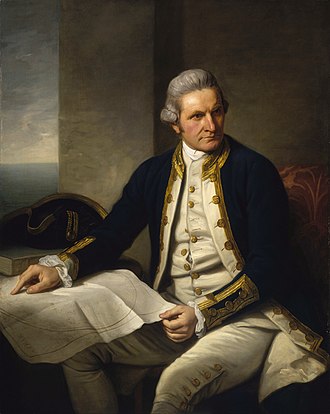 James Cook1728 – 1779British explorer, cartographer and naval officer (1728–1779)Source: Wikidata (country of birthplace)
 John Lennon1940 – 1980British musician (1940–1980)Source: Wikidata (citizenship)
 Arthur Conan Doyle1859 – 1930British writer and physician (1859–1930)Source: Wikidata (citizenship)
 J. K. Rowlingb. 1965English author (born 1965)Source: Wikidata (citizenship)
 Michael Faraday1791 – 1867British scientist (1791–1867)Source: Wikidata (country of birthplace)
 Geoffrey Chaucer1343 – 140014th century English poet and author (1343–1400)Source: Wikidata (country of birthplace)
 Charles IIIb. 1948King of the United Kingdom since 2022 (born 1948)Source: Wikidata (citizenship)
 Freddie Mercury1946 – 1991British singer, songwriter and musician, frontman of the rock band Queen (1946–1991)Source: Wikidata (citizenship)
 Virginia Woolf1882 – 1941English modernist writer (1882–1941)Source: Wikidata (citizenship)
 Victoria1819 – 1901Queen of the United Kingdom from 1837 to 1901 (1819-1901)Source: Wikidata (country of birthplace)
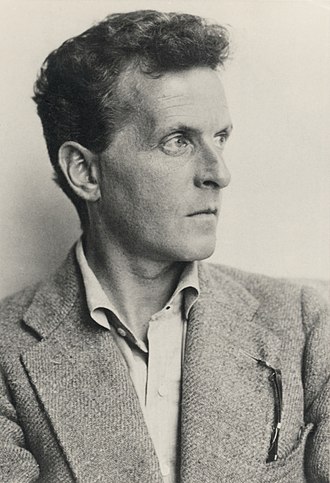 Ludwig Wittgenstein1889 – 1951Austrian philosopher and logician (1889–1951)Source: Wikidata (citizenship)
 H. G. Wells1866 – 1946English writer (1866–1946)Source: Wikidata (citizenship)
 Tim Berners-Leeb. 1955English computer scientist (born 1955)Source: Wikidata (citizenship)
 James Clerk Maxwell1831 – 1879Scottish physicist (1831–1879)Source: Wikidata (country of birthplace)
 William Blake1757 – 1827English poet and artist (1757–1827)Source: Wikidata (citizenship)
 Alexander Graham Bell1847 – 1922Canadian-American scientist inventor of telephone (1847–1922)Source: Wikidata (country of birthplace)
 Stanley Kubrick1928 – 1999American filmmaker and photographer (1928–1999)Source: Wikidata (citizenship)
 Thomas Hobbes1588 – 1679English philosopher (1588–1679)Source: Wikidata (country of birthplace)
 James Watt1736 – 1819British engineer (1736–1819)Source: Wikidata (country of birthplace)
 David Hume1711 – 1776Scottish philosopher, economist, and historian (1711-1776)Source: Wikidata (country of birthplace)
 T. S. Eliot1888 – 1965US-British poet (1888–1965)Source: Wikidata (citizenship)
 Lewis Carroll1832 – 1898British author and scholar (1832–1898)Source: Wikidata (country of birthplace)
Showing the 48 best-known of 200 people.
Everything that happened
- 43 CEBattle of the MedwayRiver MedwayThe Battle of the Medway took place in 43 AD, probably on the River Medway in the lands of the Iron Age tribe of the Cantiaci, now the English county of Kent. This was an early battle in the Claudian invasion of Britain, led by Aulus Plautius.Source: Wikidata (country)
- 60 CEDefeat of BoudicaWatling StreetThe Boudican revolt was an armed uprising by native Celtic Britons against the Roman Empire during the Roman conquest of Britain. It took place circa AD 60–61 in the Roman province of Britain, and it was led by Boudica, the Queen of the Iceni tribe.Source: Wikidata (country of the location)
- 83 CEBattle of Mons GraupiusScotlandThe Battle of Mons Graupius was, according to Tacitus, a Roman military victory in what is now Scotland, taking place in AD 83 or, less probably, 84. The exact location of the battle is a matter of debate. Historians have long questioned some details of Tacitus's account of the fight, suggesting that he exaggerated Roman success.Source: Wikidata (country)
- 388 CE – 400 CEEnd of Roman rule in BritainBritish IslesRoman rule in Britain ended as Roman military forces withdrew to defend or seize the Western Roman Empire's continental core, leaving behind an autonomous post-Roman Britain. In 383, the usurper Magnus Maximus withdrew troops from northern and western Britain, probably leaving local warlords in charge.Source: Wikidata (country of the location)
- 500 CEBattle of BadonUnited KingdomThe Battle of Badon, also known as the Battle of Mons Badonicus, was purportedly fought between Britons and Anglo-Saxons in Post-Roman Britain during the early 6th century. It was credited as a major victory for the Britons, stopping the westward encroachment of the Anglo-Saxon kingdoms for a period.Source: Wikidata (country)
- 577 CEBattle of DeorhamDyrhamThe Battle of Deorham (or Dyrham) is portrayed by the Anglo-Saxon Chronicle as an important military encounter between the West Saxons and the Britons in the West Country in 577. The Chronicle depicts the battle as a major victory for Wessex's forces, led by Ceawlin and one Cuthwine, resulting in the capture of the Romano-British towns of Glevum (Gloucester), Corinium Dobunnorum (Cirencester), and Aquae Sulis (Bath).Source: Wikidata (country)
- 615 CEBattle of ChesterChesterThe Battle of Chester (Old Welsh: Guaith Caer Legion; Welsh: Brwydr Caer) was a major victory for the Anglo-Saxons over the native Britons near the city of Chester, England in the early 7th century. Æthelfrith of Northumbria annihilated a combined force from the Welsh kingdoms of Powys and Rhôs (a cantref of the Kingdom of Gwynedd), and possibly from Mercia as well.Source: Wikidata (country)
- 633 CEBattle of Hatfield ChaseDoncasterThe Battle of Hatfield Chase (Old English: Hæðfeld; Old Welsh: Meigen) was fought on 12 October 633 It pitted the Northumbrians against an alliance of Gwynedd and Mercia. The Northumbrians were led by Edwin and the Gwynedd-Mercian alliance was led by Cadwallon ap Cadfan and Penda.Source: Wikidata (country)
- 634 CEBattle of HeavenfieldHexhamThe Battle of Heavenfield was fought in 633 or 634 between a Northumbrian army under Oswald of Bernicia and a Welsh army under Cadwallon ap Cadfan of Gwynedd. The battle resulted in a decisive Northumbrian victory. The Annales Cambriae (Annals of Wales) record the battle as Bellum Cantscaul in 631. Bede referred to it as the Battle of Deniseburna near Hefenfelth.Source: Wikidata (country)
- 642 CEBattle of MaserfieldOswestryThe Battle of Maserfield, (Welsh: Cad Maes Cogwy) was fought on 5 August 641 or 642 (642 according to Ward) between the Anglo-Saxon kings Oswald of Northumbria and Penda of Mercia allied with Welsh Kingdom of Gwynedd, ending in Oswald's defeat, death, and dismemberment.Source: Wikidata (country)
- 655 CEBattle of the WinwaedCock BeckThe Battle of the Winwaed was fought on 15 November 655 between King Penda of Mercia and Oswiu of Bernicia, ending in the Mercians' defeat and Penda's death. According to Bede, the battle marked the effective demise of Anglo-Saxon paganism.Source: Wikidata (country)
- 685 CEBattle of Dun NechtainDunnichenThe Battle of Dun Nechtain or Battle of Nechtansmere (Old Irish: Cath Dúin Nechtáin; Old Welsh: Gueith Linn Garan) was fought between the Picts, led by King Bridei Mac Bili, and the Northumbrians, led by King Ecgfrith, on 20 May 685.Source: Wikidata (country)
- 825 CEBattle of EllendunSwindonThe Battle of Ellendun or Battle of Wroughton was fought between Ecgberht of Wessex and Beornwulf of Mercia in September 825. Sir Frank Stenton described it as "one of the most decisive battles of English history". It began the establishment of West Saxon dominance in southern England.Source: Wikidata (country)
- 870 CEBattle of EnglefieldEnglefieldThe Battle of Englefield was a West Saxon victory against a Danish Viking army on about 31 December 870 at Englefield, near Reading in Berkshire. It was the first of a series of battles that took place following an invasion of Wessex by the Danish army in December 870.Source: Wikidata (country)
- 871 CEBattle of AshdownBerkshireThe Battle of Ashdown was a West Saxon victory over a Danish Viking army on about 8 January 871. The location of Ashdown is not known, but may be Kingstanding Hill in Berkshire. Other writers place the battle near Starveall, a short distance north of the village of Aldworth and south east of Lowbury Hill.Source: Wikidata (country)
- 871 CEBattle of ReadingReadingThe Battle of Reading was a victory for a Danish Viking army over a West Saxon force on or about 4 January 871 at Reading in Berkshire. The Vikings were led by Bagsecg and Halfdan Ragnarsson and the West Saxons by King Æthelred and his brother, the future King Alfred the Great. It was the second of a series of battles that took place following an invasion of Wessex by the Danish army in December 870.Source: Wikidata (country)
- 878 CEBattle of EdingtonEdingtonThe Battle of Edington or Battle of Ethandun was fought in May 878 between the West Saxon army of King Alfred the Great and the Great Heathen Army led by the Danish warlord Guthrum. The battle took place near Edington in Wiltshire, where Alfred secured a decisive victory that halted the Viking advance into Wessex.Source: Wikidata (country)
- 878 CETreaty of WedmoreWedmoreThe Treaty of Wedmore is a 9th century agreement between King Alfred the Great of Wessex and the Viking king Guthrum the Old. The only contemporary reference to the treaty is that of a Welsh monk, Asser, in his biography of Alfred, known as Vita Ælfredi regis Angul Saxonum, or "The Life of King Alfred", in which Asser describes how after Guthrum's defeat at the Battle of Ethandun, followed by his surrender some days…Source: Wikidata (country of the location)
- 937 CEBattle of BrunanburhWirral PeninsulaThe Battle of Brunanburh was fought in 937 between Æthelstan, King of England, and an alliance of Olaf Guthfrithson, King of Dublin; Constantine II, King of Scotland; and Owain, King of Strathclyde.Source: Wikidata (country)
- 991 CEBattle of MaldonMaldonThe Battle of Maldon took place on 10 or 11 August 991 AD near Maldon beside the River Blackwater in Essex, England, during the reign of Æthelred the Unready. Earl Byrhtnoth and his thegns led the English against a Viking invasion. The battle ended in an Anglo-Saxon defeat.Source: Wikidata (country)
- 1002St Brice's Day massacreEnglandThe St Brice's Day massacre was a mass killing of Danes within England on 13 November 1002, on the order of King Æthelred the Unready of England. The Anglo-Saxon Chronicle relates that the massacre was carried out in response to an accusation that the Danes would "beshrew [Æthelred] of his life, and afterwards all his council, and then have his kingdom without any resistance".Source: Wikidata (country)
- 1016Battle of AssandunEssexThe Battle of Assandun (or Ashingdon) was fought between Danish and English armies on 18 October 1016. There is disagreement whether Assandun may be Ashdon near Saffron Walden in north Essex, England, or, as long supposed, Ashingdon near Rochford in south-east Essex. It ended in victory for the Danes, led by King Cnut, who triumphed over an English army led by King Edmund Ironside.Source: Wikidata (country)
- 1066Battle of HastingsBattleThe Battle of Hastings was fought on 14 October 1066 between the Norman-French army of William, Duke of Normandy, and an English army under the Anglo-Saxon King Harold Godwinson, beginning the Norman Conquest of England. It took place approximately 7 mi (11 km) northwest of Hastings, close to the present-day town of Battle, East Sussex, and was a decisive Norman victory.Source: Wikidata (country)
- 1066Battle of Stamford BridgeStamford BridgeThe Battle of Stamford Bridge took place at the village of Stamford Bridge, East Riding of Yorkshire, in England, on 25 September 1066, between an English army under King Harold Godwinson and an invading Norwegian force led by King Harald Hardrada and the English king's brother Tostig Godwinson. After a bloody battle, both Hardrada and Tostig, along with most of the Norwegians, were killed.Source: Wikidata (country)
- 1066Battle of FulfordFulfordThe Battle of Fulford was fought on the outskirts of the village of Fulford, just south of York in England, on 20 September 1066. King Harald III of Norway, also known as Harald Hardrada, a claimant to the English throne, and Tostig Godwinson, his English ally, fought and defeated the Northern Earls Edwin and Morcar.Source: Wikidata (country)
- 1069 – 1070Harrying of the NorthNorthern EnglandThe Harrying of the North was a series of military campaigns waged by William the Conqueror in the winter of 1069–1070 to subjugate Northern England, where the presence of the last Wessex claimant, Edgar Ætheling, had encouraged Anglo-Saxon Northumbrian, Anglo-Scandinavian and Danish rebellions.Source: Wikidata (country of the location)
- 1138Battle of the StandardYorkshireThe Battle of the Standard, sometimes called the Battle of Northallerton, took place on 22 August 1138 on Cowton Moor near Northallerton in Yorkshire, England. English forces under William of Aumale repelled a Scottish army led by King David I of Scotland.Source: Wikidata (country)
- 1141Battle of LincolnLincolnThe Battle of Lincoln, or the First Battle of Lincoln, occurred on 2 February 1141 in Lincoln, England between King Stephen of England and forces loyal to Empress Matilda. Stephen was captured during the battle, imprisoned, and effectively deposed while Matilda ruled for a short time.Source: Wikidata (country)
- 1217Battle of LincolnLincoln CastleThe Second Battle of Lincoln occurred at Lincoln Castle on Saturday 20 May 1217, during the First Barons' War, between the forces of the future Louis VIII of France and those of King Henry III of England. Louis's forces were attacked by a relief force under the command of William Marshal, 1st Earl of Pembroke.Source: Wikidata (country)
- 1217Battle of SandwichDoverThe Battle of Sandwich, also called the Battle of Dover took place on 24 August 1217 as part of the First Barons' War. A Plantagenet English fleet commanded by Hubert de Burgh attacked a Capetian French fleet led by Eustace the Monk and Robert of Courtenay off Sandwich, Kent. The English captured the French flagship and most of the supply vessels, forcing the rest of the French fleet to return to Calais.Source: Wikidata (country)
- 1237Treaty of YorkYorkThe Treaty of York was an agreement between the kings Henry III of England and Alexander II of Scotland, signed at York on 25 September 1237, which affirmed that Northumberland (which at the time also encompassed County Durham), Cumberland, and Westmorland were subject to English sovereignty.Source: Wikidata (country)
- 1263Battle of LargsLargsThe Battle of Largs (2 October 1263) was a battle between the kingdoms of Norway and Scotland, on the Firth of Clyde near Largs, Scotland. The conflict formed part of the Norwegian expedition against Scotland in 1263, in which Haakon Haakonsson, King of Norway attempted to reassert Norwegian sovereignty over the western seaboard of Scotland.Source: Wikidata (country)
- 1264Battle of LewesLewesThe Battle of Lewes was one of two main battles of the conflict known as the Second Barons' War. It took place at Lewes in Sussex, on 14 May 1264. It marked the high point of the career of Simon de Montfort, 6th Earl of Leicester, and made him the "uncrowned King of England". Henry III's forces left the safety of Lewes Castle and St.Source: Wikidata (country)
- 1264 – 1267Second Barons' WarEnglandThe Second Barons' War (1264–1267) was a civil war in England between the forces of barons led by Simon de Montfort against the royalist forces of King Henry III, led initially by the king himself and later by his son, the future King Edward I. The barons sought to force the king to rule with a council of barons, rather than through his favourites.Source: Wikidata (country of the location)
- 1265Battle of EveshamEveshamThe Battle of Evesham (4 August 1265) was one of the two main battles of 13th century England's Second Barons' War. It marked the defeat of Simon de Montfort, Earl of Leicester, and the rebellious barons by the future King Edward I, who led the forces of his father, King Henry III. It took place on 4 August 1265, near the town of Evesham, Worcestershire.Source: Wikidata (country)
- 1296Battle of DunbarDunbarThe Battle of Dunbar was the only significant field action of the campaign of 1296 during the beginning of the First War of Scottish Independence.Source: Wikidata (country)
- 1297Battle of Stirling BridgeStirlingThe Battle of Stirling Bridge (Scottish Gaelic: Blàr Drochaid Shruighlea) was fought during the First War of Scottish Independence. On 11 September 1297, the forces of Andrew Moray and William Wallace defeated the combined English forces of John de Warenne, 6th Earl of Surrey, and Hugh de Cressingham near Stirling, on the River Forth.Source: Wikidata (country)
- 1298Battle of FalkirkFalkirkThe Battle of Falkirk (Scottish Gaelic: Blàr na h-Eaglaise Brice; Scots: Battle o Fawkirk), on 22 July 1298, was one of the major battles in the First War of Scottish Independence. Led by King Edward I of England, the English army defeated the Scots, led by William Wallace. Shortly after the battle Wallace resigned as Guardian of Scotland.Source: Wikidata (country)
- 1306Battle of MethvenPerthThe Battle of Methven took place at Methven, Scotland on 19 June 1306, during the Wars of Scottish Independence. The battlefield was researched to be included in the Inventory of Historic Battlefields in Scotland and protected by Historic Scotland under the Scottish Historical Environment Policy of 2009, but was excluded due to the uncertainty of its location.Source: Wikidata (country)
- 1307Battle of Loudoun HillLoudoun HillThe Battle of Loudoun Hill was fought on 10 May 1307, between a Scots force led by King Robert the Bruce and the English commanded by Aymer de Valence, Earl of Pembroke. It took place beneath Loudoun Hill, in Ayrshire, and ended in a victory for King Robert. It was the king's first major military victory.Source: Wikidata (country)
- 1309First siege of GibraltarGibraltarThe first siege of Gibraltar was a battle of the Spanish Reconquista that took place in 1309. The battle pitted the forces of the Crown of Castile (mostly those from the military councils of the city of Seville) under the command of Juan Núñez II de Lara and Alonso Pérez de Guzmán, against the forces of the Emirate of Granada who were under the command of Sultan Muhammed III and his brother, Abu'l-Juyush Nasr.Source: Wikidata (country)
- 1314Battle of BannockburnBannockburnThe Battle of Bannockburn (Scottish Gaelic: Blàr Allt nam Bànag or Blàr Allt a' Bhonnaich) was fought on 23–24 June 1314, between the army of Robert the Bruce, King of Scots, and the army of King Edward II of England, during the First War of Scottish Independence.Source: Wikidata (country)
- 1328Treaty of Edinburgh–NorthamptonEdinburghThe Treaty of Edinburgh–Northampton was a peace treaty signed in 1328 between the Kingdoms of England and Scotland. It brought an end to the First War of Scottish Independence, which had begun with the English invasion of Scotland in 1296. The treaty was signed in Edinburgh by Robert the Bruce, King of Scots, on 17 March 1328, and was ratified by the Parliament of England meeting in Northampton on 1 May.Source: Wikidata (country of the location)
- 1332Battle of Dupplin MoorKingdom of ScotlandThe Battle of Dupplin Moor was fought between supporters of King David II of Scotland, the son of King Robert Bruce, and English-backed invaders supporting Edward Balliol, son of King John I of Scotland, on 11 August 1332.Source: Wikidata (country)
- 1333Battle of Halidon HillBerwick-upon-TweedThe Battle of Halidon Hill took place on 19 July 1333 when a Scottish army under Sir Archibald Douglas attacked an English army commanded by King Edward III of England (r. 1327–1377) and was heavily defeated. The year before, Edward Balliol had seized the Scottish Crown from five-year-old David II (r. 1329–1371), surreptitiously supported by Edward III.Source: Wikidata (country)
- 1337 – 1453Hundred Years' WarFranceThe Hundred Years' War (French: Guerre de Cent Ans; 1337–1453) was a series of conflicts between the kingdoms of England and France and a civil war in France during the late Middle Ages. It emerged from feudal disputes over the Duchy of Aquitaine and was triggered by a claim to the French throne made by Edward III of England.Source: Wikidata (country of the location)
- 1346Battle of Neville's CrossNeville's CrossThe Battle of Neville's Cross took place during the Second War of Scottish Independence on 17 October 1346, half a mile (800 m) to the west of Durham, England. An invading Scottish army of 12,000 led by King David II was defeated with heavy loss by an English army of approximately 6,000–7,000 men led by Ralph Neville, Lord Neville.Source: Wikidata (country)
- 1350Battle of WinchelseaWinchelseaThe Battle of Winchelsea or the Battle of Les Espagnols sur Mer ("the Spaniards on the Sea") was a naval battle that took place on 29 August 1350 as part of the Hundred Years' War between England and France. It was a victory for an English fleet of 50 ships, commanded by King Edward III, over a Castilian fleet of 47 larger vessels, commanded by Charles de la Cerda.Source: Wikidata (country)
- 1381Peasants' RevoltEnglandThe Peasants' Revolt, also named Wat Tyler's Rebellion or the Great Uprising, was a major uprising across large parts of England in 1381. The revolt had various causes, including the socio-economic and political tensions generated by the Black Death in the 1340s, the high taxes resulting from the conflict with France during the Hundred Years' War, and instability within the local leadership of London.Source: Wikidata (country)
- 1386Treaty of WindsorWindsorThe Treaty of Windsor is a diplomatic alliance signed between the Kingdom of Portugal and the Kingdom of England on 24 February 1387 in Windsor, Berkshire, and sealed by the marriage of King John I of Portugal (House of Aviz) to Philippa of Lancaster, daughter of John of Gaunt, 1st Duke of Lancaster.Source: Wikidata (country of the location)
- 1400 – 1415Glyndŵr rebellionWalesThe Glyndŵr rebellion was a Welsh rebellion led between 1400 and c. 1416 by Owain Glyndŵr against the Kingdom of England during the Late Middle Ages. During the rebellion's height, Owain exercised control over the majority of Wales after capturing several of the most powerful Ring of Iron castles, and formed a parliament at Machynlleth.Source: Wikidata (country)
- 1403Battle of ShrewsburyBattlefieldThe Battle of Shrewsbury was fought on 21 July 1403, waged between an army led by the Lancastrian King Henry IV and a rebel army led by Henry "Harry Hotspur" Percy from Northumberland. The battle, the first in which English archers fought each other on English soil, reaffirmed the effectiveness of the longbow and ended the Percy challenge to King Henry IV of England.Source: Wikidata (country)
- 1455First Battle of St AlbansSt AlbansThe First Battle of St Albans took place on 22 May 1455, at St Albans, 22 miles (35 km) north of London, and traditionally marks the beginning of the Wars of the Roses in England. Richard, Duke of York, and his allies, the Neville Earls of Salisbury and Warwick, defeated a royal army commanded by Edmund Beaufort, Duke of Somerset.Source: Wikidata (country)
- 1459Battle of Blore HeathBlore HeathThe Battle of Blore Heath took place during the English Wars of the Roses on 23 September 1459, at Blore Heath, Staffordshire. Blore Heath is a sparsely populated area of farmland two miles east of the town of Market Drayton in Shropshire, and close to the village of Loggerheads, Staffordshire.Source: Wikidata (country)
- 1459Rout of Ludford BridgeLudlowThe Rout of Ludford Bridge was a largely bloodless confrontation fought in the early years of the Wars of the Roses. It took place on 12 October 1459, and resulted in a setback for the Yorkists. Although this seemed to be a triumph for the rival Lancastrians at the time, they had thrown away their advantage within six months.Source: Wikidata (country)
- 1460Battle of NorthamptonNorthamptonThe Battle of Northampton was fought on 10 July 1460 near the River Nene, Northamptonshire. It was a major battle of the Wars of the Roses. The opposing forces were an army led by nobles loyal to King Henry VI of the House of Lancaster, his Queen Margaret of Anjou and their six-year-old son Edward, Prince of Wales, on one side, and the army of Edward, Earl of March, and Warwick the Kingmaker on the other.Source: Wikidata (country)
- 1460Battle of WakefieldWakefieldThe 'Battle' of Wakefield has traditionally been said to have taken place in Sandal Magna near Wakefield in northern England, on 30 December 1460. Recent research demonstrates that it was not a battle in the proper sense of a word, but a small-scale skirmish that resulted in the capture and subsequent deaths of Richard of York, 3rd Duke of York, his second son, Edmund, Earl of Rutland, and Richard Neville, 5th Earl…Source: Wikidata (country)
- 1461Battle of FerrybridgeFerrybridgeThe Battle of Ferrybridge, 28 March 1461, was a preliminary engagement between the houses of York and Lancaster before the larger battle of Towton, during the period now known as the Wars of the Roses.Source: Wikidata (country)
- 1461Battle of Mortimer's CrossHerefordshireThe Battle of Mortimer's Cross was fought on 2 February, 1461 near Kingsland, Herefordshire (between Leominster and Leintwardine, by the River Lugg), not far from the Welsh border. It was a major battle of the Wars of the Roses.Source: Wikidata (country)
- 1461Battle of TowtonTowtonThe Battle of Towton took place on 29 March 1461 during the Wars of the Roses, near Towton in North Yorkshire. Yorkist forces decisively defeated Lancastrian supporters of Henry VI, securing the English throne for Edward IV. Fought for ten hours between an estimated 50,000 soldiers from both sides in a snowstorm on Palm Sunday, it was "probably the largest and bloodiest battle on English soil".Source: Wikidata (country)
- 1461Second Battle of St AlbansSt AlbansThe Second Battle of St Albans was fought on 17 February 1461 during the Wars of the Roses in St Albans, Hertfordshire, England (the First Battle of St Albans had been fought in 1455).Source: Wikidata (country)
- 1464Battle of Hedgeley MoorHedgeley MoorThe Battle of Hedgeley Moor, 25 April 1464, took place during the Wars of the Roses. It was fought at Hedgeley Moor, north of the villages of Glanton and Powburn in Northumberland, between a Yorkist army led by John Neville, Lord Montagu and a Lancastrian army led by Henry Beaufort, Duke of Somerset. The battle ended in a Yorkist victory.Source: Wikidata (country)
- 1464Battle of HexhamHexhamThe Battle of Hexham, 15 May 1464, marked the end of significant Lancastrian resistance in the north of England during the early part of the reign of Edward IV.Source: Wikidata (country)
- 1469Battle of EdgcoteNorthamptonshireThe Battle of Edgcote (also known as the Battle of Banbury or the Battle of Danes Moor) took place on 24 July 1469, during the Wars of the Roses. It was fought between a royal army, commanded by the earls of Pembroke and Devon, and a rebel force led by supporters of the Earl of Warwick.Source: Wikidata (country)
- 1470Battle of Losecoat FieldEmpinghamThe Battle of Losecoat Field (also known as the Battle of Empingham) was fought on 12 March 1470, during the Wars of the Roses. Spellings of "Losecoat" vary, with "Losecote" and "Loose-coat" also seen.Source: Wikidata (country)
- 1471Battle of BarnetBarnetThe Battle of Barnet was a decisive Yorkist victory in the Wars of the Roses, a dynastic conflict of 15th-century England. The military action, along with the subsequent Battle of Tewkesbury, secured the throne for Edward IV.Source: Wikidata (country)
- 1471Battle of TewkesburyTewkesburyThe Battle of Tewkesbury (4 May 1471) was one of the most decisive battles of the Wars of the Roses in England.Source: Wikidata (country)
- 1485Battle of Bosworth FieldAmbion HillThe Battle of Bosworth or Bosworth Field ( BOZ-wərth) was the last significant battle of the Wars of the Roses, the civil war between the houses of Lancaster and York that extended across England and Wales in the latter half of the 15th century. Fought on 22 August 1485, the battle was won by an alliance of Lancastrians and disaffected Yorkists.Source: Wikidata (country)
- 1487Battle of Stoke FieldEast StokeThe Battle of Stoke Field, which took place at East Stoke, Nottinghamshire, on 16 June 1487, may be considered the last battle of the Wars of the Roses, since it was the last major engagement between contenders for the throne whose claims derived from descent from the houses of Lancaster and York.Source: Wikidata (country)
- 1496 – 1497Cornish rebellion of 1497Kingdom of EnglandThe Cornish rebellion of 1497 (Cornish: Rebellyans Kernow), also known as the First Cornish rebellion, was a popular uprising in the Kingdom of England, which began in Cornwall and culminated with the Battle of Deptford Bridge near London on 17 June 1497.Source: Wikidata (country)
- 1513Battle of FloddenBranxtonThe Battle of Flodden, Flodden Field, or occasionally Branxton or Brainston Moor was fought on 9 September 1513 between the Kingdom of England and the Kingdom of Scotland as part of the War of the League of Cambrai and resulted in an English victory.Source: Wikidata (country)
- 1536Pilgrimage of GraceYorkThe Pilgrimage of Grace was an English Catholic popular revolt beginning in Yorkshire in October 1536 before spreading to other parts of Northern England, including Cumberland, Northumberland, Durham and north Lancashire. The protests occurred under the leadership of Robert Aske.Source: Wikidata (country)
- 1542Battle of Solway MossSolway MossThe Battle of Solway Moss took place on Solway Moss near the River Esk on the English side of the Anglo-Scottish border in November 1542 between English and Scottish forces.Source: Wikidata (country)
- 1545Battle of the SolentThe SolentThe naval Battle of the Solent took place on 18 and 19 July 1545 during the Italian Wars, between the fleets of Francis I of France and Henry VIII of England, in the Solent, between Hampshire and the Isle of Wight. This was one of only two full-fledged naval battles fought by King Henry VIII's Tudor navy, along with the earlier Battle of Saint-Mathieu.Source: Wikidata (country)
- 1547Battle of PinkieMusselburghThe Battle of Pinkie, also known as the Battle of Pinkie Cleugh, took place on 10 September 1547 on the banks of the River Esk near Musselburgh, Scotland. The last pitched battle between Scotland and England before the Union of the Crowns, it was part of the conflict known as the Rough Wooing. It was a catastrophic defeat for Scotland, where it became known as "Black Saturday".Source: Wikidata (country)
- 1549Prayer Book RebellionKingdom of EnglandThe Prayer Book Rebellion or Western Rising was a popular revolt in Cornwall and Devon in 1549. In that year, the first Book of Common Prayer, presenting the theology of the English Reformation, was introduced. The change was widely unpopular, particularly in areas where firm Catholic religious loyalty (even after the Act of Supremacy in 1534) still existed, such as Lancashire.Source: Wikidata (country)
- 1554Wyatt's rebellionUnited KingdomWyatt's Rebellion was a limited and unsuccessful uprising in England in early 1554 led by four men, one of whom was Thomas Wyatt the Younger. It was given its name by the lawyer at Wyatt's arraignment, who stated for the record that "this shall be ever called Wyatt's Rebellion".Source: Wikidata (country)
- 1560Treaty of EdinburghEdinburghThe Treaty of Edinburgh (also known as the Treaty of Leith) was a treaty drawn up on 5 July 1560 between the Commissioners of Queen Elizabeth I of England with the assent of the Scottish Lords of the Congregation, and the French representatives of King Francis II of France (husband of Mary, Queen of Scots) to formally conclude the siege of Leith and replace the Auld Alliance with France with a new Anglo-Scottish…Source: Wikidata (country of the location)
- 1569Rising of the NorthNorthern EnglandThe Rising of the North of 1569, also called the Revolt of the Northern Earls, Northern Rebellion or the Rebellion of the Earls, was an unsuccessful attempt by Catholic nobles from Northern England to depose Queen Elizabeth I and replace her with Mary, Queen of Scots.Source: Wikidata (country of the location)
- 1625 – 1630Anglo-Spanish WarAtlantic OceanThe Anglo-Spanish War of 1625–1630 was fought between Spain and England, with the Dutch Republic and Scotland participating on the English side. An offshoot of the Eighty Years' War between the Dutch and Spanish, the conflict's battles consisted of a mixture of land and naval engagements. The war ended with the signing of the Treaty of Madrid in 1630, resulting in a status quo ante bellum.Source: Wikidata (country of the location)
- 1639Battle of the DownsEnglish ChannelThe Battle of the Downs took place on 21 October 1639 (New Style), during the Eighty Years' War. A Spanish fleet, commanded by Admiral Antonio de Oquendo, was decisively defeated by a Dutch force under Lieutenant-Admiral Maarten Tromp.Source: Wikidata (country)
- 1642Battle of EdgehillEdgehillThe Battle of Edgehill (or Edge Hill) was a pitched battle of the First English Civil War. It was fought near Edge Hill and Kineton in southern Warwickshire on Sunday, 23 October 1642.Source: Wikidata (country)
- 1644Battle of Marston MoorLong MarstonThe Battle of Marston Moor was fought on 2 July 1644, during the Wars of the Three Kingdoms of 1639–1653. The combined forces of the English Parliamentarians under Lord Fairfax and the Earl of Manchester and the Scottish Covenanters under the Earl of Leven defeated the Royalists commanded by Prince Rupert of the Rhine and the Marquess of Newcastle.Source: Wikidata (country)
- 1645Battle of NasebyNasebyThe Battle of Naseby took place on 14 June 1645 during the First English Civil War, near the village of Naseby in Northamptonshire. The Parliamentarian New Model Army, commanded by Sir Thomas Fairfax and Oliver Cromwell, destroyed the main Royalist army under Charles I and Prince Rupert. The defeat ended any real hope of Royalist victory, although Charles did not finally surrender until May 1646.Source: Wikidata (country)
- 1648Battle of PrestonPrestonThe battle of Preston was fought on 17 August 1648 during the Second English Civil War. A Parliamentarian army commanded by Lieutenant General Oliver Cromwell attacked a considerably larger force of Royalists under James Hamilton, Duke of Hamilton, near the Lancashire town of Preston; the Royalists were defeated with heavy losses.Source: Wikidata (country)
- 1649 – 1651Anglo-Scottish warBritish IslesThe Anglo-Scottish war (1650–1652), also known as the Third Civil War, was the final conflict in the Wars of the Three Kingdoms, a series of armed conflicts and political machinations between shifting alliances of religious and political factions in England, Scotland and Ireland.Source: Wikidata (country of the location)
- 1650Battle of DunbarDunbarThe Battle of Dunbar was fought between the English New Model Army, under Oliver Cromwell, and a Scottish army commanded by David Leslie on 3 September 1650 near Dunbar, Scotland. The battle resulted in a decisive victory for the English. It was the first major battle of the 1650 invasion of Scotland.Source: Wikidata (country)
- 1651Battle of WorcesterWorcesterThe Battle of Worcester took place on 3 September 1651 in and around the city of Worcester, England and was the last major battle of the 1642 to 1651 Wars of the Three Kingdoms. A Parliamentarian army of around 28,000 under Oliver Cromwell defeated a largely Scottish Royalist force of 16,000 led by Charles II of England and Scotland.Source: Wikidata (country)
- 1652Battle of DoverDoverThe naval Battle of Dover , fought on 19 May 1652 (29 May 1652 Gregorian calendar), was the first engagement of the First Anglo-Dutch War between the navies of the Commonwealth of England and the United Provinces of the Netherlands. It proved to be an indecisive battle involving the flagships of Admirals Maarten Tromp and Robert Blake. Opinions about the outcome of that battle vary among historians of that period.Source: Wikidata (country)
- 1652Battle of DungenessDungenessThe naval Battle of Dungeness took place on 30 November 1652 (10 December in the Gregorian calendar) during the First Anglo-Dutch War near the cape of Dungeness in Kent.Source: Wikidata (country)
- 1652Battle of PlymouthPlymouthThe Battle of Plymouth was a naval battle in the First Anglo-Dutch War. It took place on 16 August 1652 (26 August 1652 (Gregorian calendar) and was a short battle, but had the unexpected outcome of a Dutch victory over England. General-at-Sea George Ayscue of the Commonwealth of England attacked an outward bound convoy of the Dutch Republic commanded by Vice-Commodore Michiel de Ruyter.Source: Wikidata (country)
- 1652 – 1654First Anglo-Dutch WarEnglish ChannelThe First Anglo-Dutch War, or First Dutch War, was a naval conflict between the Commonwealth of England and the Dutch Republic. Largely caused by disputes over trade, it began with English attacks on Dutch merchant shipping, but expanded to vast fleet actions.Source: Wikidata (country of the location)
- 1653Battle of PortlandIsle of PortlandThe naval Battle of Portland, or Three Days' Battle, took place during 18–20 February 1653 (28 February – 2 March 1653 (Gregorian calendar)), during the First Anglo-Dutch War, when the fleet of the Commonwealth of England under General at Sea Robert Blake was attacked by a fleet of the Dutch Republic under Lieutenant-Admiral Maarten Tromp escorting merchant shipping through the English Channel.Source: Wikidata (country)
- 1653Battle of the GabbardSuffolkThe Battle of the Gabbard, was a naval battle fought from 2 to 3 June 1653 during the First Anglo-Dutch War. It took place near the Gabbard shoal off the coast of Suffolk, England, between fleets of the Commonwealth of England and the Dutch Republic. It resulted in a significant English victory.Source: Wikidata (country of the location)
- 1666Four Days' BattleNorth ForelandThe Four Days' Battle was a naval engagement fought from 11 to 14 June 1666 (1–4 June O.S.) during the Second Anglo-Dutch War. It began off the Flemish coast and ended near the English coast, and remains one of the longest naval battles in history.Source: Wikidata (country)
- 1666St. James' Day BattleNorth ForelandThe St James' Day Battle took place on 25 July 1666 (4 August 1666 in the Gregorian calendar), during the Second Anglo-Dutch War. It was fought between an English fleet commanded jointly by Prince Rupert of the Rhine and George Monck, and a Dutch force under Lieutenant-Admiral Michiel de Ruyter.Source: Wikidata (country)
- 1667Raid on the MedwayRiver MedwayThe Raid on the Medway, during the Second Anglo-Dutch War between June 12 to 14 June 1667, (June 22 to June 24 Gregorian modern calendar) was a successful attack conducted by the Dutch navy on English warships laid up in the fleet anchorages off Chatham Dockyard and Gillingham in the county of Kent.Source: Wikidata (country)
- 1672Battle of SolebaySouthwoldThe Battle of Solebay took place on 6 June 1672 New Style, during the Third Anglo-Dutch War, near Southwold, Suffolk, in eastern England. A Dutch fleet under Michiel de Ruyter attacked a combined Anglo-French force in one of the largest naval battles of the Age of Sail. Fighting continued much of the day, but ended at sunset without a clear victory.Source: Wikidata (country)
- 1685Battle of SedgemoorBridgwaterThe Battle of Sedgemoor was the final and decisive engagement of the Monmouth Rebellion, between forces loyal to James II and rebel forces led by the Duke of Monmouth. It was fought on 6 July 1685 at Westonzoyland near Bridgwater in Somerset, England.Source: Wikidata (country)
- 1685Monmouth RebellionSouth West EnglandThe Monmouth Rebellion (also known as the Pitchfork Rebellion, Revolt of the West or West Country rebellion) in June 1685 was an attempt to depose James II, who in February had succeeded his brother Charles II as king of England, Scotland and Ireland. Dissident Protestants led by James Scott, 1st Duke of Monmouth, eldest illegitimate son of Charles II, opposed James largely due to his Catholicism.Source: Wikidata (country of the location)
- 1688 – 1689Glorious RevolutionBritish IslesThe Glorious Revolution was the deposition of King James II of England in November 1688. He was replaced by his daughter Mary II and her Dutch husband, James's nephew William III of Orange. The two ruled as joint monarchs of England, Scotland, and Ireland until Mary's death in 1694, when William became ruler in his own right.Source: Wikidata (country of the location)
- 1688 – 1746Jacobite risingsBritish IslesJacobitism was the name for a political movement active from 1688 to the end of the 18th century. Its primary objective was the restoration of the exiled House of Stuart to the British throne. It was strongest in Ireland, the Western Scottish Highlands, Perthshire, Aberdeenshire, Wales, and Northern England.Source: Wikidata (country of the location)
- 1689Battle of KilliecrankieKilliecrankieThe Battle of Killiecrankie was fought on 27 July 1689 during the Jacobite rising of 1689. A Jacobite force led by Ewan Cameron of Lochiel and Viscount Dundee defeated a Scottish government army commanded by Lieutenant-general Hugh Mackay. James VII went into exile in December 1688 after being deposed by the Glorious Revolution in Scotland.Source: Wikidata (country)
- 1690Battle of Beachy HeadBeachy HeadThe Battle of Beachy Head, also known as the Battle of Béveziers, was a fleet action fought on 10 July 1690 during the Nine Years' War. The battle was the most significant French naval victory over their Grand Alliance opponents during the war. The Dutch lost seven ships of the line and three fire ships. Their English allies also lost one ship of the line, whereas the French did not lose a single vessel.Source: Wikidata (country)
- 1692Battles of Barfleur and La HougueEnglish ChannelThe Battles of Barfleur and La Hougue took place during the Nine Years' War, between 19 May O.S. (29 May N.S.) and 4 June O.S. (14 June N.S.) 1692. The first was fought near Barfleur on 19 May O.S. (29 May N.S.), with later actions occurring between 20 May O.S. (30 May N.S.) and 4 June O.S. (14 June N.S.) at Cherbourg and Saint-Vaast-la-Hougue in Normandy, France.Source: Wikidata (country of the location)
- 1692Massacre of GlencoeGlen CoeThe Massacre of Glencoe took place in Glen Coe in the Argyll region of the Scottish Highlands on 13 February 1692. An estimated 30 members and associates of the Clan MacDonald of Glencoe were killed by Scottish government forces, allegedly for failing to pledge allegiance to the new monarchs, William II/III and his wife Mary II.Source: Wikidata (country of the location)
- 1700Treaty of LondonLondonThe Treaty of London (1700) (Dutch: Verdrag van Londen, French: Traités de Londres) or Second Partition Treaty was the second attempt by Louis XIV of France and William III of England to impose a diplomatic solution to the issues that led to the 1701-1714 War of the Spanish Succession.Source: Wikidata (country)
- 1704Capture of GibraltarGibraltarThe capture of Gibraltar by Anglo-Dutch forces of the Grand Alliance occurred between 1 and 4 August 1704 during the War of the Spanish Succession. (see All dates in the annotations) Since the beginning of the war the Alliance had been looking for a harbour in the Iberian Peninsula to control the Strait of Gibraltar and facilitate naval operations against the French fleet in the western Mediterranean Sea.Source: Wikidata (country)
- 1715Battle of SheriffmuirSheriffmuirThe Battle of Sheriffmuir (Scottish Gaelic: Blàr Sliabh an t-Siorraim, [pl̪ˠaɾ ˈʃʎiəv əɲ ˈtʲʰirˠəm]) was an engagement in 1715 at the height of the Jacobite rising in Scotland. The battlefield has been included in the Inventory of Historic Battlefields in Scotland and protected by Historic Scotland under the Scottish Historical Environment Policy of 2009.Source: Wikidata (country)
- 1717Christmas Flood of 1717Coastline of the North SeaThe Christmas Flood of 1717 was the result of a northwesterly storm, which hit the coast area of the Netherlands, Germany, and Scandinavia on Christmas night of 1717. In total, about 14,000 people drowned.Source: Wikidata (country of the location)
- 1718 – 1720War of the Quadruple AllianceIberian PeninsulaThe War of the Quadruple Alliance, 1718 to 1720, was a conflict between Spain and a coalition of Austria, Great Britain, France, and Savoy, with the addition of the Dutch Republic in 1719. Military operations focused primarily on Sicily and Spain, with minor engagements in North America. The Spanish-backed Jacobite rising of 1719 in Scotland is considered a related conflict.Source: Wikidata (country of the location)
- 1719Battle of Glen ShielGlen ShielThe Battle of Glen Shiel, 10 June 1719, was the decisive military engagement of the Jacobite rising of 1719. Fought near Glen Shiel in the Scottish Highlands, a Jacobite army composed of Highland levies and Spanish marines was defeated by British government troops.Source: Wikidata (country)
- 1745Battle of PrestonpansEdinburghThe Battle of Prestonpans, 21 September 1745, took place near Prestonpans, in East Lothian. It was the first significant engagement of the Jacobite rising of 1745.Source: Wikidata (country)
- 1745 – 1746Jacobite rising of 1745ScotlandThe Jacobite rising of 1745 was an attempt to regain the British throne for the exiled House of Stuart. The last in a series of Jacobite risings that began in March 1689, it proved to be the end of Jacobitism as a major factor in British politics.Source: Wikidata (country)
- 1746Battle of CullodenCullodenThe Battle of Culloden took place on 16 April 1746, near Inverness, in the Scottish Highlands. A Jacobite army under Charles Edward Stuart was decisively defeated by a British government force commanded by the Duke of Cumberland, thereby ending the Jacobite rising of 1745.Source: Wikidata (country)
- 1778 – 1783Anglo-French WarEnglish ChannelThe Anglo-French War, also known as the War of 1778 or the Bourbon War in Britain, was a military conflict fought between France and Great Britain, sometimes with their respective allies, between 1778 and 1783.Source: Wikidata (country of the location)
- 1779 – 1783Great Siege of GibraltarGibraltarThe Great Siege of Gibraltar was an unsuccessful attempt by Spain and France to capture Gibraltar from Britain during the American Revolutionary War. It was the largest battle in the war by number of combatants.Source: Wikidata (country of the location)
- 1781Battle of Dogger BankDogger BankThe Battle of Dogger Bank was a fleet action fought in the North Sea on 5 August 1781 during the Fourth Anglo-Dutch War. It occurred between a British fleet under Vice-Admiral of the Blue Sir Hyde Parker and a Dutch squadron under Schout-bij-nacht Johan Zoutman, both of which were escorting convoys.Source: Wikidata (country of the location)
- 1794Jay TreatyLondonThe Treaty of Amity, Commerce, and Navigation, Between His Britannic Majesty and the United States of America, commonly known as the Jay Treaty, and also as Jay's Treaty, was a 1794 treaty between the United States and Great Britain that averted war, resolved issues remaining since the 1783 Treaty of Paris (which ended the American Revolutionary War), and facilitated ten years of peaceful trade between Americans and…Source: Wikidata (country of the location)
- 1796 – 1808Anglo-Spanish WarEnglish ChannelThe Anglo-Spanish War was fought between 1796 and 1802, and again from 1804 to 1808, as part of the First Coalition Wars. The war ended when an unexpected alliance was formed between Great Britain and the Spanish Bourbon dynasty, resulting in the French invasion.Source: Wikidata (country of the location)
- 1796French expedition to IrelandBantry BayThe French expedition to Ireland, known in French as the Expédition d'Irlande (French pronunciation: [ɛkspedisjɔ̃ diʁlɑ̃d], "Expedition to Ireland"), was an unsuccessful attempt by the French Republic to assist the outlawed Society of United Irishmen in their planned rebellion against British rule during the War of the First Coalition.Source: Wikidata (country)
- 1812Assassination of Spencer PercevalPalace of WestminsterOn 11 May 1812, at about 5:15 pm, Spencer Perceval, the prime minister of the United Kingdom of Great Britain and Ireland, was shot dead in the lobby of the House of Commons by John Bellingham, a Liverpool merchant with a grievance against the government. Bellingham was detained; four days after the murder, he was tried, convicted and sentenced to death.Source: Wikidata (country of the location)
- 1818Treaty of 1818LondonThe Convention respecting fisheries, boundary and the restoration of slaves, also known as the London Convention, Anglo-American Convention of 1818, Convention of 1818, or simply the Treaty of 1818, is an international treaty signed in 1818 between the United States and the United Kingdom. This treaty resolved long-standing boundary issues between the two signatories.Source: Wikidata (country)
- 1819Peterloo MassacreManchesterThe Peterloo Massacre took place at St Peter's Field, Manchester, England, on Monday 16 August 1819. An estimated eighteen people were killed and 400–700 were injured when the cavalry of the Yeomanry charged into a crowd of around 60,000 people who had gathered to demand the reform of parliamentary representation.Source: Wikidata (country of the location)
- 1824Anglo-Dutch Treaty of 1824LondonThe Anglo-Dutch Treaty of 1824, also known as the Treaty of London (Dutch: Verdrag van Londen), was a treaty between the United Kingdom and the Netherlands in London on 17 March 1824. The treaty was to resolve disputes arising from the execution of the Anglo-Dutch Treaty of 1814. For the Dutch, it was signed by Hendrik Fagel and Anton Reinhard Falck, and for the British, George Canning and Charles Williams-Wynn.Source: Wikidata (country)
- 1826Burney TreatyRattanakosin KingdomThe treaty between Kingdom of Siam and Great Britain commonly known as the Burney Treaty was signed at Bangkok on 20 June 1826 by Henry Burney, an agent of British East India Company, for Britain, and King Rama III for Siam. It followed an earlier treaty of 24 February 1826, in which Siam became an ally of Britain against the Konbaung Dynasty (Burma) with which Britain was at war.Source: Wikidata (country)
- 1827Treaty of LondonLondonThe Treaty of London (French: Traités de Londres, Russian: Лондонская конвенция) was signed in London on 6 July, 1827 by the United Kingdom of Great Britain and Ireland, Bourbon Restoration France and the Russian Empire. The three main European powers had called upon Greece and the Ottoman Empire to cease hostilities that had been going on since the Greeks revolted against the Ottoman rule on 17 March 1821.Source: Wikidata (country)
- 1838Treaty of Balta LimanBaltalimanıThe 1838 Treaty of Balta Liman, or the Anglo-Ottoman Treaty, was a formal trade agreement signed between the Sublime Porte of the Ottoman Empire and Great Britain. The trade policies imposed upon the Ottoman Empire, after the Treaty of Balta Liman, were some of the most liberal, open market settlements that had ever been enacted.Source: Wikidata (country)
- 1839Treaty of LondonLondonThe Treaty of London of 1839, was signed on 19 April 1839 between the major European powers, the United Kingdom of the Netherlands, and the Kingdom of Belgium. It was a direct follow-up to the 1831 Treaty of the XVIII Articles, which the Netherlands had refused to sign, and the result of negotiations at the London Conference of 1838–1839 which sought to maintain the Concert of Europe.Source: Wikidata (country)
- 1840Convention of LondonLondonThe Convention of London of 1840 was a treaty with the title of Convention for the Pacification of the Levant, signed on 15 July 1840 between the Great Powers of United Kingdom, Austria, Prussia, Russia on one hand and the Ottoman Empire on the other. The Convention lent some support to the Ottoman Empire, which was having difficulties with the rebellious Wali of Egypt.Source: Wikidata (country)
- 1852London ProtocolLondonOn 8 May 1852, after the First War of Schleswig, an agreement called the London Protocol (German: Londoner Protokoll; Danish: Londonprotokollerne) was signed. This international treaty was the revision of an earlier protocol, which had been ratified on 2 August 1850, by the major German powers of Austria and Prussia.Source: Wikidata (country)
- 18541854 Broad Street cholera outbreakSohoA severe outbreak of cholera occurred in 1854 near Broad Street (now Broadwick Street) and Golden Square in Soho, London, England, during the worldwide 1846–1860 cholera pandemic.Source: Wikidata (country)
- 1855Bowring TreatyThailandTreaty of Friendship and Commerce between Great Britain and Siam (Thai: หนังสือสัญญากรุงเทพมหานครกับกรุงอังกริษเปนทางไมตรีค้าขายกัน), known colloquially as the Bowring Treaty, was the historic landmark treaty signed between the United Kingdom during the reign of Queen Victoria and the Kingdom of Siam during the reign of King Mongkut on 18 April 1855 at Thonburi, Bangkok.Source: Wikidata (country)
- 1855Devil's FootprintsExe EstuaryThe Devil's Footprints was a phenomenon that occurred during February 1855 around the Exe Estuary in east and south Devon, England. After a heavy snowfall, trails of hoof-like marks appeared overnight in the snow covering a total distance of some 40 to 100 miles (60 to 160 km). The footprints were so called because some persons suggested that they were the tracks of Satan and made comparisons to a cloven hoof.Source: Wikidata (country of the location)
- 1864Treaty of LondonLondonThe Treaty of London in 1864 resulted in the United Kingdom ceding the United States of the Ionian Islands to Greece. Britain had held an amical protectorate over the islands since the 1815 Treaty of Paris.Source: Wikidata (country)
- 1867Treaty of LondonLondonThe Treaty of London (French: Traité de Londres), often called the Second Treaty of London after the 1839 Treaty, granted Luxembourg full independence and neutrality. It was signed on 11 May 1867 in the aftermath of the Austro-Prussian War and the Luxembourg Crisis. It had wide-reaching consequences for Luxembourg and for relations among Europe's great powers.Source: Wikidata (country)
- 1887Bloody SundayTrafalgar SquareBloody Sunday was an event which took place in London, England on 13 November 1887, when a crowd of marchers protesting about unemployment and the Irish Coercion Acts, as well as demanding the release of MP William O'Brien, clashed with the Metropolitan Police. The demonstration was organised by the Social Democratic Federation and the Irish National League.Source: Wikidata (country of the location)
- 1911Siege of Sidney StreetEast End of LondonThe siege of Sidney Street of January 1911, also known as the Battle of Stepney, was a gunfight in the East End of London between a combined police and army force and two Latvian revolutionaries.Source: Wikidata (country)
- 1914Battle of the Falkland IslandsFalkland IslandsThe Battle of the Falkland Islands was a First World War naval action between the British Royal Navy and Imperial German Navy on 8 December 1914 in the South Atlantic. The British, after their defeat at the Battle of Coronel on 1 November, sent a large force to track down and destroy the German cruiser squadron. The battle is commemorated every year on 8 December in the Falkland Islands as a public holiday.Source: Wikidata (country of the location)
- 1914Raid on Scarborough, Hartlepool and WhitbyScarboroughThe Raid on Scarborough, Hartlepool and Whitby on 16 December 1914 was an attack by the Imperial German Navy on the British ports of Scarborough, Hartlepool, West Hartlepool and Whitby. The bombardments caused hundreds of civilian casualties and resulted in public outrage in Britain against the German Navy for the raid and the Royal Navy for failing to prevent it.Source: Wikidata (country)
- 1915Treaty of LondonLondonThe Treaty of London (Italian: Trattato di Londra; Russian: Лондонский договор, romanized: Londonskiy dogovor) or the Pact of London (Patto di Londra, French: Pacte de Londres) was a secret agreement concluded on 26 April 1915 by the United Kingdom, France, and Russia on the one part, and Italy on the other, in order to entice the latter to enter the Great War on the side of the Triple Entente.Source: Wikidata (country)
- 1919Scuttling of the German fleet at Scapa FlowScapa FlowOn 21 June 1919 the Imperial German Navy's High Seas Fleet was scuttled by its sailors while held off the harbour of the British Royal Navy base at Scapa Flow, in the Orkney Islands of Scotland. The fleet was interned there at the end of World War I under the terms of the Armistice of 11 November 1918 while negotiations took place over its fate.Source: Wikidata (country)
- 1930London Naval TreatyLondonThe London Naval Treaty, officially the Treaty for the Limitation and Reduction of Naval Armament, was an agreement between the United Kingdom, Japan, France, Italy, and the United States that was signed on 22 April 1930.Source: Wikidata (country)
- 1932La MatanzaChurch of ScotlandLa Matanza (Spanish for 'The Massacre') refers to a communist-indigenous rebellion that took place in El Salvador between 22 and 25 January 1932. After the revolt was suppressed, it was followed by large-scale government killings in western El Salvador, which resulted in the deaths of 10,000 to 40,000 people. Another 100 soldiers were killed during the suppression of the revolt.Source: Wikidata (country of the location)
- 1935Anglo-German Naval AgreementLondonThe Anglo-German Naval Agreement (AGNA) of 18 June 1935 was a naval agreement between the United Kingdom and Germany that regulated the size of the Kriegsmarine in relation to the Royal Navy.Source: Wikidata (country)
- 1936Anglo-Egyptian treaty of 1936LondonThe Anglo-Egyptian Treaty of 1936 (officially, The Treaty of Alliance Between His Majesty, in Respect of the United Kingdom, and His Majesty, the King of Egypt) was a treaty signed between the United Kingdom and the Kingdom of Egypt.Source: Wikidata (country)
- 1936Second London Naval TreatyLondonThe Second London Naval Treaty was an international treaty intended to limit the growth in naval armaments prior to World War II. It was signed as a result of the Second London Naval Disarmament Conference held in London. The conference started on 9 December 1935 and the treaty was signed by the participating nations on 25 March 1936.Source: Wikidata (country)
- 1939 – 1945Battle of the AtlanticAtlantic OceanThe Battle of the Atlantic, the longest continuous military campaign in World War II, ran from 1939 to the defeat of Nazi Germany in 1945, covering a major part of the naval history of World War II. At its core was the Allied naval blockade of Germany, announced the day after the declaration of war, and Germany's subsequent counterblockade. The campaign peaked from mid-1940 to the end of 1943.Source: Wikidata (country of the location)
- 1939Anglo-Polish allianceLondonThe military alliance between the United Kingdom and Poland was formalised by the Anglo-Polish Agreement on 31 March 1939, with subsequent addenda of 1940 and 1944, for mutual assistance in case of a military invasion from Nazi Germany, as specified in a secret protocol.Source: Wikidata (country)
- 1939British pet massacreUnited KingdomThe British pet massacre was an event in 1939 in which an estimated 750,000 cats and dogs, a quarter of England's pet population, were euthanized due to widespread fear among owners that they would not be able to care for their animals during wartime.Source: Wikidata (country)
- 1940Battle of BritainUnited KingdomThe Battle of Britain (German: Luftschlacht um England, lit. 'air battle for England') was a military campaign of the Second World War, in which the Royal Air Force (RAF) and the Fleet Air Arm (FAA) of the Royal Navy defended the United Kingdom against large-scale attacks by Nazi Germany's air force, the Luftwaffe. It was the first major military campaign fought entirely by air forces.Source: Wikidata (country)
- 1940Dunkirk evacuationDunkirkIn the Dunkirk evacuation, codenamed Operation Dynamo and also known as the Miracle of Dunkirk, or just Dunkirk, more than 338,000 Allied soldiers were evacuated during the Second World War from the beaches and harbour of Dunkirk in northern France between 26 May and 4 June 1940.Source: Wikidata (country of the location)
- 1940 – 1942Coventry BlitzCoventryThe Coventry Blitz (blitz: from the German word Blitzkrieg meaning "lightning war" ) was the German Axis bombing that took place on the British city of Coventry. The city was bombed many times during the Second World War by the German Air Force (Luftwaffe). The most devastating of these attacks occurred on the evening of 14 November 1940 and continued into the morning of 15 November.Source: Wikidata (country)
- 1941Battle of Hong KongBritish Hong KongThe Battle of Hong Kong (8–25 December 1941), also known as the Defence of Hong Kong and the Fall of Hong Kong, was one of the first battles of the Pacific War in World War II. On the same morning as the attack on Pearl Harbor, forces of the Empire of Japan attacked the British Crown colony of Hong Kong around the same time that Japan declared war on Britain.Source: Wikidata (country of the location)
- 1941Sikorski–Mayski agreementLondonThe Sikorski–Mayski agreement was a treaty between the Soviet Union and Polish government-in-exile that was signed in London on 30 July 1941. Its name is taken from its two most notable signatories: the prime minister of Poland, Władysław Sikorski, and the Soviet ambassador to the United Kingdom, Ivan Mayski.Source: Wikidata (country)
- 1942Baedeker BlitzEnglandThe Baedeker Blitz or Baedeker raids was a series of bombing raids by the Luftwaffe on the United Kingdom during World War II in April and May 1942. Towns and cities in England were targeted for their cultural value as part of a demoralisation campaign.Source: Wikidata (country)
- 1942Channel DashEnglish ChannelThe Channel Dash (German: Unternehmen Zerberus, Operation Cerberus) was a German naval operation during the Second World War. A Kriegsmarine (German Navy) squadron, comprising the two Scharnhorst-class battleships, Scharnhorst and Gneisenau, the heavy cruiser Prinz Eugen and their escorts was evacuated from Brest in Brittany to German ports.Source: Wikidata (country of the location)
- 1945Battle of North BorneoBritish North BorneoThe Battle of North Borneo took place during the Second World War between Allied and Japanese forces. Part of the wider Borneo campaign of the Pacific War, it was fought between 10 June and 15 August 1945 in North Borneo (later known as Sabah). The battle involved a series of amphibious landings by Australian forces on various points on the mainland around Brunei Bay and upon islands situated around the bay.Source: Wikidata (country of the location)
- 1945Nuremberg CharterLondonThe Nuremberg trials were international criminal trials held by France, the Soviet Union, the United Kingdom, and the United States against leaders of defeated Nazi Germany for plotting and carrying out invasions of several countries across Europe and committing atrocities against their citizens in the Second World War.Source: Wikidata (country)
- 1947Indian Independence Act 1947United KingdomThe Indian Independence Act 1947 (10 & 11 Geo. 6. c. 30) is an act of the Parliament of the United Kingdom that partitioned British India into the two new independent dominions of India and Pakistan. On 15 July 1947 the House of Commons voted for the bill and the House of Lords gave its consent on the next day.Source: Wikidata (country)
- 1949London DeclarationLondonThe London Declaration was issued by the 1949 Commonwealth Prime Ministers' Conference regarding India's continued membership of the Commonwealth of Nations, an association of independent states formerly part of the British Empire, in anticipation of India's transition to a republican constitution.Source: Wikidata (country)
- 1952Great Smog of LondonLondonThe Great Smog was a severe air pollution event that affected London, England, in December 1952. A period of unusually cold weather, combined with an anticyclone and windless conditions, collected airborne pollutants—mostly arising from the use of coal—to form a thick layer of smog over the city. It lasted from Friday, 5 December, to Tuesday, 9 December 1952, then dispersed quickly when the weather changed.Source: Wikidata (country)
- 1953London Agreement on German External DebtsLondonThe London Agreement on German External Debts, also known as the London Debt Agreement (German: Londoner Schuldenabkommen), was a debt relief treaty between the Federal Republic of Germany and creditor nations. The Agreement was signed in London on 27 February 1953, and came into force on 16 September 1953.Source: Wikidata (country)
- 1957Windscale fireWindscale PilesThe Windscale fire of 10 October 1957 was the worst nuclear accident in the United Kingdom's history, ranked in severity at level 5 out of 7 on the International Nuclear Event Scale. The fire was in Unit 1 of the two-pile Windscale site (now Sellafield) on the north-west coast of England in Cumberland.Source: Wikidata (country)
- 1963Partial Nuclear Test Ban TreatyMoscowThe Partial Test Ban Treaty (PTBT), formally known as the 1963 Treaty Banning Nuclear Weapon Tests in the Atmosphere, in Outer Space and Under Water, prohibited all test detonations of nuclear weapons except for those conducted underground.Source: Wikidata (country)
- 19661966 FIFA World CupOld TraffordThe 1966 FIFA World Cup was the eighth FIFA World Cup, the quadrennial football tournament for senior national teams. It was played in England from 11 to 30 July 1966. England defeated West Germany 4–2 in the final to win their first and only World Cup title.Source: Wikidata (country)
- 1967Outer Space TreatyWashington, D.C.The Outer Space Treaty, formally called the Treaty on Principles Governing the Activities of States in the Exploration and Use of Outer Space, including the Moon and Other Celestial Bodies, is a multilateral treaty that forms the basis of international space law.Source: Wikidata (country of the location)
- 1968Treaty on the Non-Proliferation of Nuclear WeaponsWashington, D.C.The Treaty on the Non-Proliferation of Nuclear Weapons, commonly known as the Non-Proliferation Treaty or NPT, is an international treaty, the objective of which is to prevent the spread of nuclear weapons and weapons technology, to promote cooperation in the peaceful uses of nuclear energy, and to further the goal of achieving nuclear disarmament and general and complete disarmament.Source: Wikidata (country of the location)
- 1969Battle of the BogsideDerryThe Battle of the Bogside was a large three-day riot that took place from 12 to 14 August 1969 in Derry, Northern Ireland. Thousands of Catholic/Irish nationalist residents of the Bogside, organised under the Derry Citizens' Defence Association, clashed with the Royal Ulster Constabulary (RUC) and loyalists, and sealed off the neighbourhood to authorities.Source: Wikidata (country)
- 1969 – 2007Operation BannerNorthern IrelandOperation Banner was the operational name for the British Armed Forces' operation in Northern Ireland from 1969 to 2007, as part of the Troubles. It was the longest continuous deployment in British military history. The British Army was initially deployed, at the request of the unionist government of Northern Ireland, in response to the August 1969 riots.Source: Wikidata (country)
- 1972Bloody SundayDerryBloody Sunday, or the Bogside Massacre, occurred on 30 January 1972 when British soldiers shot 26 unarmed civilians during a protest march in the Bogside area of Derry, Northern Ireland. Thirteen men were killed outright, while the death of another man four months later has been attributed to his gunshot injuries.Source: Wikidata (country)
- 1972Biological Weapons ConventionWashington, D.C.The Biological Weapons Convention (BWC), or Biological and Toxin Weapons Convention (BTWC), is a disarmament treaty that effectively bans biological and toxin weapons by prohibiting their development, production, acquisition, transfer, stockpiling and use.Source: Wikidata (country of the location)
- 1974Birmingham pub bombingsBirminghamOn 21 November 1974, bombs exploded in two pubs in Birmingham, England, killing 21 people and injuring 182 others.Source: Wikidata (country)
- 1976Kingsmill massacreCounty ArmaghOn 5 January 1976, near the village of Whitecross in south County Armagh, Northern Ireland, gunmen stopped a minibus carrying eleven Protestant workmen, lined them up alongside it and shot them. Only one victim survived, despite having been shot 18 times. A Catholic man on the minibus was allowed to go free. A group calling itself the South Armagh Republican Action Force claimed responsibility.Source: Wikidata (country)
- 1977Southern Television broadcast interruptionSouthern EnglandThe Southern Television broadcast interruption was a broadcast signal intrusion, or pirate broadcast, that occurred on 26 November 1977 in parts of southern England in the United Kingdom.Source: Wikidata (country of the location)
- 1979Lancaster House AgreementLancaster HouseThe Lancaster House Agreement is an agreement signed on 21 December 1979 in Lancaster House, following the conclusion of a constitutional conference where different parties discussed the future of Zimbabwe Rhodesia, formerly known as Rhodesia. The agreement effectively concluded the Rhodesian Bush War.Source: Wikidata (country of the location)
- 1980Iranian Embassy siegeSouth KensingtonThe Iranian Embassy siege took place from 30 April to 5 May 1980, after a group of six armed men stormed the Iranian embassy on Prince's Gate in South Kensington, London.Source: Wikidata (country)
- 1982Battle of Goose GreenGoose GreenThe Battle of Goose Green (Spanish: Batalla de Pradera del Ganso) was fought from the 28th to the 29th of May 1982 by British and Argentine forces during the Falklands War. Located on East Falkland's central isthmus, the settlement of Goose Green was the site of a tactically vital airfield.Source: Wikidata (country)
- 1982Operation Black BuckFalkland IslandsOperations Black Buck 1 to Black Buck 7 were seven extremely long-range airstrikes conducted during the 1982 Falklands War by Royal Air Force (RAF) Vulcan bombers of the RAF Waddington Wing, comprising aircraft from Nos. 44, 50 and 101 Squadrons, against Argentine positions in the Falkland Islands. Five of the missions completed attacks.Source: Wikidata (country of the location)
- 1987King's Cross fireKing's Cross St Pancras tube stationThe King's Cross fire occurred in 1987 at King's Cross St Pancras tube station in London, England, causing 31 fatalities. It began under a wooden escalator before spreading into the ticket hall in a flashover.Source: Wikidata (country)
- 1988Pan Am Flight 103LockerbiePan Am Flight 103 was a regularly scheduled Pan Am flight from Frankfurt to Detroit, with stopovers in London and New York City. Shortly after 19:00 GMT on 21 December 1988, the Boeing 747 Clipper Maid of the Seas operating the transatlantic leg of the flight was destroyed by a bomb while flying over the Scottish town of Lockerbie.Source: Wikidata (country)
- 1988Operation FlaviusWinston Churchill AvenueOperation Flavius was a military operation in which three members of the Provisional Irish Republican Army (IRA) were shot dead by the British Special Air Service (SAS) in Gibraltar on 6 March 1988. The trio were believed to be planning a car bomb attack on British military personnel in Gibraltar. They were shot dead while leaving the territory, having parked a car.Source: Wikidata (country of the location)
- 1989Hillsborough disasterHillsborough StadiumThe Hillsborough disaster was a fatal crowd crush at a football match at Hillsborough Stadium in Sheffield, South Yorkshire, England, on 15 April 1989. It occurred during an FA Cup semi-final between Liverpool and Nottingham Forest in the two standing-only central pens within the Leppings Lane stand allocated to Liverpool supporters.Source: Wikidata (country)
- 20057 July 2005 London bombingsTavistock SquareOn 7 July 2005, Islamist terrorists carried out four coordinated suicide bombings targeting commuters travelling on London's public transport during the morning rush hour. The attacks are sometimes known as the 7/7 bombings or simply 7/7.Source: Wikidata (country)
- 200521 July 2005 London attempted bombingsLondonOn 21 July 2005, four attempted bomb attacks by four Islamist extremists disrupted part of London's public transport system as a follow-up attack to the 7 July 2005 London bombings two weeks earlier. The explosions occurred around midday at Shepherd's Bush, Warren Street and Oval stations on the London Underground, and on London Buses route 26 in Haggerston.Source: Wikidata (country)
- 2005Buncefield fireHemel HempsteadThe Buncefield fire was a major fire at an oil storage facility that started at 06:01 UTC on Sunday 11 December 2005 at the Hertfordshire Oil Storage Terminal, located near the M1 motorway, Hemel Hempstead, in Hertfordshire, England. The terminal was the fifth largest oil-products storage depot in the United Kingdom, with a capacity of about 60 million imperial gallons (270,000 m3) of fuel.Source: Wikidata (country)
- 20122012 Summer OlympicsLondonThe 2012 Summer Olympics, officially the Games of the XXX Olympiad and also known as London 2012, were an international multi-sport event held from 27 July to 12 August 2012 in London, England. Some events were held at venues elsewhere in the United Kingdom. There were 10,518 athletes from 206 National Olympic Committees (NOCs) who participated in the 2012 Olympics.Source: Wikidata (country)
- 2013 – 2016Western African Ebola epidemicWest AfricaThe 2013–2016 epidemic of Ebola virus disease, centered in West Africa, was the most widespread outbreak of the disease in history. It caused major loss of life and socioeconomic disruption in the region, mainly in Guinea, Liberia and Sierra Leone. The first cases were recorded in Guinea in December 2013; the disease spread to neighbouring Liberia and Sierra Leone, with minor outbreaks occurring in Nigeria and Mali.Source: Wikidata (country)
- 2015Ni una menosArgentinaNi una menos (Spanish: [ni ˈuna ˈmenos]; Spanish for "Not one [woman] less") is a Hispanic American fourth-wave grassroots feminist movement, which started in Argentina and has spread across several Hispanic American countries, that campaigns against gender-based violence. This mass mobilization comes as a response to various systemic issues that proliferate violence against women.Source: Wikidata (country of the location)
- 2017Grenfell Tower fireGrenfell TowerOn 14 June 2017, a high-rise fire broke out in the 24-storey Grenfell Tower block of flats in North Kensington, West London, England, at 00:54 BST and burned for 60 hours. A total of 70 people died at the scene and two other people died later in hospital, with more than 70 injured and 223 escaping.Source: Wikidata (country)
- 2019Essex lorry deathsGraysOn 23 October 2019, the bodies of 39 people – 31 men and eight women, all Vietnamese nationals – were found in the trailer of an articulated refrigerator lorry in Grays, Essex, United Kingdom. The trailer had been shipped from the port of Zeebrugge, Belgium, to Purfleet, Essex, UK, and the lorry cab and its driver are believed to have originated from Northern Ireland.Source: Wikidata (country)
- 2020COVID-19 pandemicWorldwideA new coronavirus spreads worldwide. Lockdowns, remote work and fast-developed vaccines reshape daily life.Source: Wikidata (country)
- 2020MegxitUnited KingdomOn 8 January 2020, Prince Harry, Duke of Sussex, and Meghan, Duchess of Sussex, announced on Instagram their decision to "step back as 'senior' members" of the British royal family, split their time between the United Kingdom and North America, become financially independent, and only represent the monarchy on a reduced basis.Source: Wikidata (country)
- 20212021 European floodsEuropeIn July 2021, several European countries were affected by severe floods. Some were catastrophic, causing deaths and widespread damage. The floods started in the United Kingdom as flash floods causing some property damage and inconvenience. Later floods affected several river basins across Europe including Austria, Belgium, Croatia, Germany, Italy, Luxembourg, the Netherlands, and Switzerland.Source: Wikidata (country)
- 20252025 Manchester synagogue attackHeaton Park Hebrew CongregationOn 2 October 2025, during the Jewish holiday of Yom Kippur, a man drove a black Kia Picanto into pedestrians before stabbing worshippers at the Heaton Park Hebrew Congregation, a synagogue in Higher Crumpsall, a northern suburb of the city of Manchester in North West England.Source: Wikidata (country)