Turkey
234 events
Turkey, officially the Republic of Türkiye, is a country mainly located in Anatolia in West Asia, with a smaller part called East Thrace in Southeast Europe. It borders the Black Sea to the north; Georgia, Armenia, Azerbaijan, and Iran to the east; Iraq, Syria, and the Mediterranean Sea to the south; and the Aegean Sea, Greece, and Bulgaria to the west. Turkey is home to over 86 million people; most are ethnic Turks, while Kurds are the largest ethnic minority. Officially a secular state, Turkey has a Muslim-majority population. Ankara is Turkey's capital and second-largest city.
Text from the Wikipedia article Turkey, CC BY-SA 4.0
Built from Wikidata: an event or person is listed when Wikidata links them to this page, as shown next to each one. Many aren’t recorded there, so this list is incomplete.
Key people
 Mustafa Kemal Atatürk1881 – 1938Founding father of the Republic of Turkey (c. 1881–1938)Source: Wikidata (citizenship)
 Paul the Apostle5 CE – 66 CEEarly Christian apostle and missionary (c. AD 5 – c. 64/65)Source: Wikidata (country of birthplace)
 Recep Tayyip Erdoğanb. 1954President of Turkey since 2014Source: Wikidata (citizenship)
 Thalesc. 625 BCE – 545 BCEAncient Greek philosopher and mathematicianSource: Wikidata (country of birthplace)
 Suleiman the Magnificent1494 – 1566The tenth and greatest Sultan of Ottoman Empire (1520–1566)Source: Wikidata (country of birthplace)
 Democritusc. 460 BCE – 360 BCEGreek philosopher (c. 460–c. 370 BC)Source: Wikidata (country of birthplace)
 Heraclitusc. 535 BCE – 470 BCEGreek philosopher (late 6th/early 5th-century BC)Source: Wikidata (country of birthplace)
 Mimar Sinan1490 – 158816th-century Ottoman chief architect and civil engineerSource: Wikidata (country of birthplace)
 Orhan Pamukb. 1952Turkish novelist, academic and Nobel laureate (born 1952)Source: Wikidata (citizenship)
 Hesiodc. 776 BCE – 700 BCEAncient Greek poet of the archaic periodSource: Wikidata (country of birthplace)
 Mehmed II1432 – 1481Seventh Sultan of the Ottoman Empire (1444–1446, 1451–1481)Source: Wikidata (country of birthplace)
 Diogenes of Sinope400 BCE – 323 BCE4th-century BC Greek Cynic philosopherSource: Wikidata (country of birthplace)
 Epictetus50 CE – 138 CEGreek Stoic philosopher (c. 50–c. 138)Source: Wikidata (country of birthplace)
 Abdullah Gülb. 195011th President of Turkey (born 1950)Source: Wikidata (citizenship)
 Anaximander610 BCE – 546 BCEPre-Socratic Greek philosopherSource: Wikidata (country of birthplace)
 Anaxagoras500 BCE – 428 BCE5th-century BC Greek philosopherSource: Wikidata (country of birthplace)
 Dani Rodrikb. 1957Turkish economist and publicist (born 1957)Source: Wikidata (citizenship)
 Lucian of Samosata120 CE – 180 CE2nd-century Syrian satirist and rhetoricianSource: Wikidata (country of birthplace)
 John Chrysostom349 CE – 407 CEChurch father, Archbishop of Constantinople and Christian saint (c. 347–407)Source: Wikidata (country of birthplace)
 Mesut Özilb. 1988Turkish-German association football playerSource: Wikidata (citizenship)
 Abdul Hamid II1842 – 191834th Sultan of the Ottoman Empire (1876–1909)Source: Wikidata (country of birthplace)
 Osman I1258 – 1326Founder of the Ottoman Empire (died 1323/4)Source: Wikidata (country of birthplace)
 Xenophanes570 BCE – 478 BCEGreek Pre-Socratic philosopher (c.570–c.478 BC)Source: Wikidata (country of birthplace)
 Giorgos Seferis1900 – 1971Greek poet and diplomat (1900-1971)Source: Wikidata (country of birthplace)
 Julian331 CE – 363 CELast Pagan Roman emperor, reigned 361 to 363Source: Wikidata (country of birthplace)
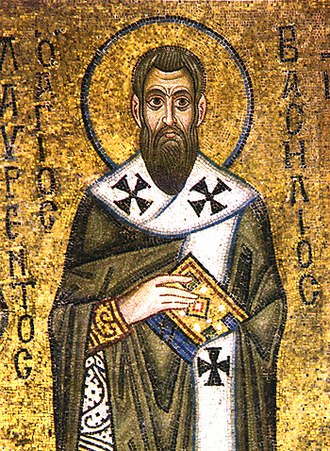 Basil of Caesarea329 CE – 379 CE4th-century Christian bishop, theologian, and saint (329–379)Source: Wikidata (country of birthplace)
 Anaximenes of Miletus585 BCE – 525 BCEGreek Ionian Pre-Socratic philosopher (c.586–c.526 BC)Source: Wikidata (country of birthplace)
 Selim I1470 – 15209th Sultan of the Ottoman Empire from 1512 to 1520Source: Wikidata (country of birthplace)
 Süleyman Demirel1924 – 20159th President of the Republic of Turkey (1924-2015)Source: Wikidata (citizenship)
 Heraclius575 CE – 641 CEByzantine emperor from 610 to 641Source: Wikidata (country of birthplace)
 Ahmet Davutoğlub. 1959Turkish statesperson and writer (born 1959)Source: Wikidata (citizenship)
 Gregory of Nazianzus329 CE – 389 CEChristian saint and theologian (c. 329 – 390)Source: Wikidata (country of birthplace)
 Fethullah Gülen1941 – 2024Turkish preacher and imam (1941–2024)Source: Wikidata (citizenship)
 İsmet İnönü1884 – 19732nd President of the Republic of Turkey (1884–1973)Source: Wikidata (citizenship)
 Bayezid I1354 – 1403Fourth Sultan of the Ottoman Empire (1389–1402)Source: Wikidata (country of birthplace)
 Hipparchus190 BCE – 120 BCE2nd century Greek astronomer, geographer and mathematicianSource: Wikidata (country of birthplace)
 Aristotle Onassis1906 – 1975Greek shipping magnate (1906–1975)Source: Wikidata (country of birthplace)
 Turgut Özal1927 – 19938th President of the Republic of Turkey (1927–1993)Source: Wikidata (citizenship)
 Anacreon570 BCE – 485 BCEAncient Greek lyric poet, notable for his drinking songs and hymnsSource: Wikidata (country of birthplace)
 Murad II1404 – 1451Sixth Sultan of the Ottoman Empire (1421–1444, 1446–1451)Source: Wikidata (country of birthplace)
 Elia Kazan1909 – 2003American director and actor (1909–2003)Source: Wikidata (country of birthplace)
 Leucippusc. 500 BCE – 500 BCE5th-century BCE Greek philosopherSource: Wikidata (country of birthplace)
 Nâzım Hikmet1902 – 1963Turkish communist poet, playwright and novelist (1902–1963)Source: Wikidata (citizenship)
 Tansu Çillerb. 1946Turkish politician, who has been the first female and 22nd prime minister of the countrySource: Wikidata (citizenship)
 Hande Yenerb. 1973Turkish singer (born 1973)Source: Wikidata (citizenship)
 Ibn Taymiyyah1263 – 1328Islamic scholar, jurist and philosopher (1263–1328)Source: Wikidata (country of birthplace)
 Apollonius of Perga262 BCE – 190 BCEAncient Greek geometer and astronomer noted for his writings on conic sectionsSource: Wikidata (country of birthplace)
 Irenaeus130 CE – 202 CE2nd-century Greek bishop and Doctor of the ChurchSource: Wikidata (country of birthplace)
Showing the 48 best-known of 160 people.
Everything that happened
Showing the 200 best-known of 234 events.
- 1,258 BCE – 1,180 BCETrojan WarTroyThe Trojan War was a legendary conflict in Greek mythology that took place around the thirteenth or early twelfth century BC. The war was waged by the Achaeans (Greeks) against the city of Troy after Paris of Troy took Helen from her husband Menelaus, king of Sparta.Source: Wikidata (country of the location)
- c. 1,100 BCE – 1500MiletusTurkeyMiletus (Ancient Greek: Μίλητος, romanised: Mílētos) was an influential ancient Greek city on the western coast of Anatolia, near the mouth of the Maeander River in present day Turkey. Renowned in antiquity for its wealth, maritime power, and extensive network of colonies, Miletus was a major center of trade, culture, and innovation from the Bronze Age through the Roman period.Source: Wikidata (country)
- 605 BCEBattle of CarchemishCarchemishThe Battle of Carchemish was a battle fought around 605 BCE between the armies of Egypt, allied with the remnants of the Neo-Assyrian Empire, against the armies of Babylonia. The forces would clash at Carchemish, an important military crossing and trade city on the banks of the Euphrates River in modern-day Syria.Source: Wikidata (country)
- 585 BCEBattle of the EclipseKızılırmak RiverThe eclipse of Thales was a solar eclipse, which was, according to the ancient Greek historian Herodotus (writing about 150 years later), accurately predicted by the Greek philosopher Thales of Miletus. If Herodotus's account is accurate, this eclipse is the earliest recorded as being known in advance of its occurrence.Source: Wikidata (country)
- 547 BCEBattle of PteriaPteriaThe Battle of Pteria (Ancient Greek: Πτερία) was fought in 547 BC between the Persian forces of Cyrus the Great and the Lydian forces of Croesus. Both armies suffered heavy casualties in this indecisive battle.Source: Wikidata (country)
- 547 BCEBattle of ThymbraTurkeyThe Battle of Thymbra was the decisive battle in the war between Croesus of the Lydian Kingdom and Cyrus II of the Achaemenid Empire. Cyrus, after he had pursued Croesus into Lydia after the drawn Battle of Pteria, met the remnants of Croesus' partially disbanded army in battle on the plain north of Sardis in December 547 BC.Source: Wikidata (country)
- 547 BCESiege of SardisSardisThe Siege of Sardis (547/546 BC) was the last decisive conflict after the Battle of Thymbra, which was fought between the forces of Croesus of Lydia and Cyrus the Great. In the battle, Croesus was defeated and was forced to retreat to his capital at Sardis. Cyrus promptly followed Croesus to his city, laid siege to it for 14 days and captured it along with Croesus.Source: Wikidata (country)
- 499 BCE – 493 BCEIonian RevoltAnatoliaThe Ionian Revolt, and associated revolts in Aeolis, Doris, Cyprus and Caria, were military rebellions by several Greek regions of Asia Minor against Persian rule, lasting from 499 BC to 493 BC. At the heart of the rebellion was the dissatisfaction of the Greek cities of Asia Minor with the tyrants appointed by Persia to rule them, along with the individual actions of two Milesian tyrants, Histiaeus and Aristagoras.Source: Wikidata (country of the location)
- 479 BCEBattle of MycaleMycaleThe Battle of Mycale was one of the two major battles (the other being the Battle of Plataea) that ended the second Persian invasion of Greece during the Greco-Persian Wars. It took place on 27 or 28 August, 479 BC on the slopes of Mount Mycale, which is located on the coast of Ionia opposite the island of Samos.Source: Wikidata (country of the location)
- 431 BCE – 404 BCEPeloponnesian WarAncient GreeceThe Peloponnesian War was fought in the Eastern Mediterranean between the Athenian-led Delian League and the Spartan-led Peloponnesian League from 431 to 404 BC for hegemony over Ancient Greece. Initially inconclusive, the intervention of the Persian Empire in support of Sparta in 413 BC allowed the Spartan coalition to decisively defeat Athens, beginning a period of Spartan hegemony over Greece.Source: Wikidata (country of the location)
- 411 BCEBattle of AbydosAbydosThe Battle of Abydos was an Athenian naval victory in the Peloponnesian War. In the battle, the Spartan fleet, under Mindarus, attempted to rescue a small allied fleet that had been driven ashore at Dardanus, but was attacked by the Athenian fleet, under Thrasybulus.Source: Wikidata (country)
- 411 BCEBattle of CynossemaKilitbahirThe naval Battle of Cynossema (Ancient Greek: Κυνὸς σῆμα) took place in 411 BC during the Second Peloponnesian War. In the battle, an Athenian fleet commanded by Thrasybulus and Thrasyllus, although initially thrown on the defensive by a numerically superior Spartan fleet, won a narrow victory.Source: Wikidata (country)
- 410 BCEBattle of CyzicusCyzicusThe Battle of Cyzicus (Greek: Kyzikos) took place in May or June 410 BC during the Peloponnesian War. During the battle, an Athenian fleet commanded by Alcibiades, Thrasybulus, and Theramenes routed and destroyed a Spartan fleet commanded by Mindarus. The victory allowed Athens to recover control over a number of cities in the Hellespont over the next year.Source: Wikidata (country)
- 406 BCEBattle of ArginusaeGarip IslandThe Battle of Arginusae took place in 406 BC during the Peloponnesian War near the city of Canae in the Arginusae Islands, east of the island of Lesbos. In the battle, an Athenian fleet commanded by eight strategoi defeated a Spartan fleet under Callicratidas. The battle was precipitated by a Spartan victory, which led to the Athenian fleet under Conon being blockaded at Mytilene.Source: Wikidata (country)
- 405 BCEBattle of AegospotamiAegospotamiThe Battle of Aegospotami (Greek: Μάχη στους Αιγός Ποταμούς) was a naval confrontation that took place in 405 BC and was the last major battle of the Peloponnesian War. In the battle, a Spartan fleet under Lysander destroyed the Athenian navy. This effectively ended the war, since Athens could not import grain or communicate with its empire without control of the sea.Source: Wikidata (country)
- 334 BCEBattle of the GranicusBiga RiverThe Battle of the Granicus in May 334 BC was the first of three major battles fought between Alexander the Great of Macedon and the Persian Achaemenid Empire. The battle took place on the road from Abydus to Dascylium, at the crossing of the Granicus in the Troad region, which is now called the Biga River in Turkey.Source: Wikidata (country)
- 334 BCESiege of HalicarnassusHalicarnassusThe siege of Halicarnassus was fought between Alexander the Great and the Achaemenid Persian Empire in 334 BC. Alexander, who had no navy, was constantly being threatened by the Persian navy. It continuously attempted to provoke an engagement with Alexander, who would not oblige them. Eventually, the Persian fleet sailed to Halicarnassus, in order to establish a new defense.Source: Wikidata (country)
- 334 BCESiege of MiletusMiletusThe siege of Miletus was Alexander the Great's first siege and naval encounter with the Achaemenid Empire. This siege was directed against Miletus, a city in southern Ionia, which is now located in the Aydın province of modern-day Turkey. During the battle, Parmenion's son Philotas would be key in preventing the Persian Navy from finding safe anchorage. It was captured by Parmenion's son, Nicanor in 334 BC.Source: Wikidata (country)
- 333 BCEBattle of IssusIssusThe Battle of Issus (also Issos) occurred in southern Anatolia, on 5 November 333 BC between the Hellenic League led by Alexander the Great and the Achaemenid (or Persian) Empire, led by Darius III. It was the second major battle in Alexander's invasion of the Persian empire, and the first encounter between Darius III and Alexander the Great. The battle resulted in the Macedonian troops defeating the Persian forces.Source: Wikidata (country)
- 321 BCEBattle of the HellespontTurkeyThe Battle of the Hellespont took place in 321 or 320 BC between the armies of Craterus and Neoptolemus against Eumenes. It was part of the wars between Alexander's successors. Eumenes and Neoptolemus were sent by Perdiccas to prevent Craterus crossing the Hellespont into Asia, but Neoptolemus deserted to join Craterus. Eumenes won the battle, and both Craterus and Neoptolemus were killed.Source: Wikidata (country)
- 301 BCEBattle of IpsusIpsosThe Battle of Ipsus (Ancient Greek: Ἱψός) was fought between the successors of Alexander the Great (referred to as the Diadochi) in 301 BC near the town of Ipsus in Phrygia.Source: Wikidata (country)
- 281 BCEBattle of CorupediumLydiaThe Battle of Corupedium, also called Koroupedion, Corupedion or Curupedion (Ancient Greek: Κύρου πεδίον or Κόρου πεδίον, "the plain of Kyros or Koros") was the last battle between the Diadochi, the rival successors to Alexander the Great. It was fought in 281 BC between the armies of Lysimachus and Seleucus I Nicator.Source: Wikidata (country)
- 192 BCE – 188 BCERoman–Seleucid warGreeceThe Roman–Seleucid war (192–188 BC), also called the Aetolian war, Antiochene war, Syrian war, and Syrian-Aetolian war was a military conflict between two coalitions, one led by the Roman Republic and the other led by the Seleucid king Antiochus III. The fighting took place in modern-day southern mainland Greece, the Aegean Sea, and Asia Minor.Source: Wikidata (country of the location)
- 190 BCEBattle of MagnesiaManisaThe Battle of Magnesia took place in either December 190 or January 189 BC. It was fought as part of the Roman–Seleucid War, pitting forces of the Roman Republic led by the consul Lucius Cornelius Scipio Asiaticus and the allied Kingdom of Pergamon under Eumenes II against a Seleucid army of Antiochus III the Great.Source: Wikidata (country)
- 190 BCEBattle of MyonessusMyonnesusThe Battle of Myonessus took place in September 190 BC. It was fought as part of the Roman–Seleucid War, pitting the fleets of the Roman Republic led by Admiral Lucius Aemilius Regillus and its Rhodian allies under Eudamus against a Seleucid fleet of Polyxenidas.Source: Wikidata (country)
- 89 BCE – 85 BCEFirst Mithridatic WarAnatoliaThe First Mithridatic War (89–85 BC) was a large conflict in Anatolia and ancient Greece in opposition to the Roman Republic by the Pontic kingdom ruled by Mithridates VI Eupator. Although the Roman general Sulla was largely victorious on the battlefield, factional struggle in Rome forced him to end the war on a precarious stalemate.Source: Wikidata (country of the location)
- 88 BCE – 63 BCEMithridatic WarsAnatoliaThe Mithridatic Wars were three conflicts fought between the Roman Republic and the Pontic kingdom of Mithridates VI Eupator. Fought across Greece and Asia Minor, the wars started in 88 BC and, while intermittent, only concluded with Mithridates' death in 63. The final settlement in 63 saw the Romans annex Pontus and Syria while also establishing a number of client kingdoms in Asia Minor.Source: Wikidata (country of the location)
- 85 BCETreaty of DardanosDardanosThe Treaty of Dardanos (85 BC) was a treaty between Rome and Pontus signed between Lucius Cornelius Sulla of Rome and King Mithridates VI of Pontus. It ended the First Mithridatic War.Source: Wikidata (country of the location)
- 83 BCE – 81 BCESecond Mithridatic WarAnatoliaThe Second Mithridatic War (83–81 BC) was one of three wars fought between Pontus and the Roman Republic. This war was fought between King Mithridates VI of Pontus and the Roman general Lucius Licinius Murena.Source: Wikidata (country of the location)
- 73 BCE – 63 BCEThird Mithridatic WarAnatoliaThe Third Mithridatic War (73–63 BC), the last and longest of the three Mithridatic Wars, was fought between Mithridates VI of Pontus and the Roman Republic. Both sides were joined by a great number of allies, dragging the entire Eastern Mediterranean and large parts of Asia (Asia Minor, Greater Armenia, northern Mesopotamia and the Levant) into the war.Source: Wikidata (country of the location)
- 69 BCEBattle of TigranocertaTigranocertaThe Battle of Tigranocerta (Armenian: Տիգրանակերտի ճակատամարտ, Tigranakerti tchakatamart) was fought on 6 October 69 BC between the forces of the Roman Republic and the army of the Kingdom of Armenia led by King Tigranes the Great. The Roman force, led by Consul Lucius Licinius Lucullus, defeated Tigranes, and as a result, captured Tigranes' capital city of Tigranocerta.Source: Wikidata (country)
- 53 BCEBattle of CarrhaeHarranThe Battle of Carrhae (Latin pronunciation: [ˈkar.rʰae̯]) was fought in 53 BC between the Roman Republic and the Parthian Empire near the ancient town of Carrhae (present-day Harran, Turkey).Source: Wikidata (country)
- 47 BCEBattle of ZelaZileThe Battle of Zela was fought in 47 BC between Julius Caesar and Pharnaces II of the Kingdom of Pontus. The battle took place near Zela (modern Zile), which is now a small hilltop town in the Tokat province of northern Turkey. The battle ended the ambitions of king Pharnaces who wanted to expand his rule over Asia Minor.Source: Wikidata (country)
- 36 BCEAntony's Atropatene campaignAnatoliaAntony's Atropatene campaign, also known as Antony's Parthian campaign, was a military campaign by Mark Antony, the eastern triumvir of the Roman Republic, against the Parthian Empire under Phraates IV.Source: Wikidata (country of the location)
- 58 CE – 63 CERoman–Parthian War of 58–63Kingdom of ArmeniaThe Roman–Parthian War of 58–63 or the War of the Armenian Succession was fought between the Roman Empire and the Parthian Empire over control of Armenia, an important buffer state between the two realms. Armenia had been a Roman client state since the days of Emperor Augustus, but in 52/53, the Parthians succeeded in installing their own candidate, Tiridates, on the Armenian throne.Source: Wikidata (country of the location)
- 115 CE115 Antioch earthquakeAntiochAn earthquake occurred in Antioch on 13 December 115 AD. It had an estimated magnitude of 7.5 on the surface-wave magnitude scale and an estimated maximum intensity of XI (Extreme) on the Mercalli intensity scale. Antioch and surrounding areas were devastated with a great loss of life and property. It triggered a local tsunami that badly damaged the harbour at Caesarea Maritima.Source: Wikidata (country)
- 161 CE – 166 CERoman–Parthian War of 161–166Kingdom of ArmeniaThe Roman–Parthian War of 161–166 (also called the Parthian War of Lucius Verus) was fought between the Roman and Parthian Empires over Armenia and Upper Mesopotamia. It concluded in 166 after the Romans made successful campaigns into Lower Mesopotamia and Media and sacked Ctesiphon, the Parthian capital.Source: Wikidata (country of the location)
- 194 CEBattle of IssusIssusThe Battle of Issus was the third major battle in AD 194 between the forces of Emperor Septimius Severus and his rival, Pescennius Niger, part of the Year of the Five Emperors. The Severan forces, commanded by Publius Cornelius Anullinus, won the battle, and Niger was captured and killed shortly afterwards. A triumphal arch commemorating the Severan victory was erected on the site of the battle.Source: Wikidata (country)
- 217 CEBattle of NisibisNusaybinThe Battle of Nisibis was fought in the summer of 217 between the armies of the Roman Empire under the newly ascended emperor Macrinus and the Parthian army of King Artabanus IV. It lasted for three days, and ended with a bloody Parthian victory, with both sides suffering large casualties.Source: Wikidata (country)
- 260 CEBattle of EdessaEdessaThe Battle of Edessa took place between the armies of the Roman Empire, under the command of Emperor Valerian, and the Sasanian Empire under Shapur I, in Edessa (now the Turkish city of Urfa) in 260. The Roman army was defeated and captured in its entirety by the Sasanian forces; for the first time, a Roman emperor was taken prisoner.Source: Wikidata (country)
- 324 CEBattle of AdrianopleEdirneThe Battle of Adrianople was fought in Thrace on July 3, 324, during a Roman civil war, the second to be waged between the two emperors Constantine I and Licinius. Licinius was soundly defeated and his army suffered heavy casualties. Constantine built up military momentum, winning further battles on land and sea, eventually leading to the final defeat of Licinius at Chrysopolis.Source: Wikidata (country)
- 324 CEBattle of ChrysopolisÜsküdarThe Battle of Chrysopolis was fought on 18 September 324 between the Roman emperors Constantine I and Licinius near Chrysopolis (modern Üsküdar), opposite Byzantium (modern Istanbul) on the Asiatic shore of the Bosphorus. The battle followed Constantine's victory at the Battle of the Hellespont, where his son Crispus destroyed the Licinian fleet.Source: Wikidata (country)
- 324 CEBattle of the HellespontDardanellesThe Battle of the Hellespont, consisting of two separate naval clashes, was fought in 324 between a Constantinian fleet, led by the eldest son of Constantine I, Crispus; and a larger fleet under Licinius' admiral, Abantus (or Amandus). Despite being outnumbered, Crispus won a very complete victory.Source: Wikidata (country)
- 359 CESiege of AmidaAmidaThe siege of Amida was a military investment of the Roman fortified frontier city of Amida (modern Diyarbakır, Turkey) by the Sasanian Empire. It took place in AD 359 when the Sasanian army under king Shapur II invaded the eastern provinces of the Roman Empire. Shapur wanted to exploit the absence of the Roman Emperor Constantius II who was overseeing affairs in the western part of the Empire.Source: Wikidata (country)
- 366 CEBattle of ThyatiraThyatiraThe Battle of Thyatira was fought in 366 at Thyatira, Lydia (modern Turkey), between the army of the Roman Emperor Valens and the army of the usurper Procopius, led by his general Gomoarius.Source: Wikidata (country)
- 378 CEBattle of AdrianopleEdirneThe Battle of Adrianople, also known as Battle of Hadrianopolis, was fought between the Eastern Roman army led by the Roman emperor Valens and Gothic rebels (largely Thervings as well as Greutungs, non-Gothic Alans, and various local rebels), led by Fritigern. The battle took place on 9 August 378 in the vicinity of Adrianople, in the Roman province of Thracia (modern Edirne in European Turkey).Source: Wikidata (country)
- 502 CE – 506 CEAnastasian WarOsroeneThe Anastasian War was fought from 502 to 506 between the Byzantine Empire and the Sasanian Empire. It was the first major conflict between the two powers since 440, and would be the prelude to a long series of destructive conflicts between the two empires over the next century.Source: Wikidata (country of the location)
- 526 CE526 Antioch earthquakeAntiochThe 526 Antioch earthquake struck Syria and, in particular, the city of Antioch in the Byzantine Empire. It occurred some time in late May 526, probably between 20 and 29 May, during mid-morning, killing approximately 250,000 people. This was in the seventh year of the reign of the Byzantine emperor Justin I and occurred under the consulship of Olybrius.Source: Wikidata (country)
- 530 CEBattle of DaraDaraThe Battle of Dara was fought between the Byzantine Empire and the Sasanian Empire in June 530 AD during the Iberian War.Source: Wikidata (country)
- 530 CEBattle of SatalaSatalaThe Battle of Satala took place in June 530 between the forces of the Byzantine Empire and the Sassanid (Persian) Empire, near Satala in Byzantine Armenia.Source: Wikidata (country)
- 532 CENika riotsConstantinopleThe Nika riots (Greek: Στάσις τοῦ Νίκα, romanized: Stásis toû Níka), Nika revolt or Nika sedition took place against Byzantine emperor Justinian I in Constantinople over the course of a week in 532 AD. They are often regarded as the most violent riots in the city's history, with nearly half of Constantinople being burned or destroyed and tens of thousands of people killed.Source: Wikidata (country)
- 586 CEBattle of SolachonDaraThe Battle of Solachon was fought in 586 CE in northern Mesopotamia between the East Roman (Byzantine) forces, led by Philippicus, and the Sasanian Persians under Kardarigan. The engagement was part of the Byzantine–Sasanian War of 572–591. The Battle of Solachon ended in a major Byzantine victory which improved the Byzantine position in Mesopotamia, but it was not in the end decisive.Source: Wikidata (country)
- 602 CE – 628 CEByzantine–Sasanian War of 602–628MesopotamiaThe Byzantine–Sasanian War of 602–628, also called the Last Great War of Antiquity, was fought between the Byzantine Empire and the Sasanian Empire. It was the final and most devastating conflict of the Roman–Persian wars (54 BC – AD 628). The previous war between the two powers had ended in 591 after the emperor Maurice helped the Sasanian king Khosrow II regain his throne.Source: Wikidata (country of the location)
- 626 CESiege of ConstantinopleConstantinopleThe siege of Constantinople in 626 by the Sassanid Persians and Avars, aided by large numbers of allied Slavs, ended in a strategic victory for the Byzantines. The failure of the siege saved the empire from collapse, and, combined with other victories achieved by Emperor Heraclius (r.Source: Wikidata (country)
- 637 CEBattle of the Iron BridgeAntiochThe Battle of the Iron Bridge was fought between the Muslim Rashidun army and the Byzantine army in 637 AD. The battle, which the Muslims won, took its name from a nearby nine-arch stone bridge over the Orontes River (also known as Jisr al-Hadid), which had gates trimmed with iron blades. It was one of the last battles fought between the Byzantines and Rashidun Caliphate in the province of Syria.Source: Wikidata (country)
- 655 CEBattle of the MastsLyciaThe Battle of the Masts (Arabic: مَعْرَكَة ذَات الصَّوَارِي, romanized: Maʿrakat Dhāt al-Ṣawārī) was a naval battle fought in 655 between the Byzantine Empire led by Emperor Constans II (r. 641–668), and the Rashidun Caliphate under the command of Abu al-A'war, admiral of Mu'awiya, the governor of Syria.Source: Wikidata (country of the location)
- 674 CE – 678 CESiege of ConstantinopleConstantinopleConstantinople was besieged by the Arabs in 674–678, in what was the first culmination of the Umayyad Caliphate's expansionist strategy against the Byzantine Empire. Caliph Mu'awiya I, who had emerged in 661 as the ruler of the Muslim Arab empire following a civil war, renewed aggressive warfare against Byzantium after a lapse of some years and hoped to deliver a lethal blow by capturing the Byzantine capital of…Source: Wikidata (country)
- 692 CEBattle of SebastopolisSebastopolisThe Battle of Sebastopolis was fought at Sebastopolis in the middle of the Armeniac Theme in 692 CE between the Byzantine Empire and the Umayyad Caliphate. With this battle, the long-standing peace between the two powers, established in 680, came to an end.Source: Wikidata (country)
- 707 CE – 708 CESiege of TyanaTyanaThe siege of Tyana was carried out by the Umayyad Caliphate in 707–708 or 708–709 in retaliation for a heavy defeat of an Umayyad army under Maimun the Mardaite by the Byzantine Empire in c. 706. The Arab army invaded Byzantine territory and laid siege to the city in summer 707 or 708.Source: Wikidata (country)
- 717 CE – 718 CESiege of ConstantinopleConstantinopleIn 717–718, Constantinople, the capital of the Byzantine Empire, was besieged by the Muslim Arabs of the Umayyad Caliphate. The campaign marked the culmination of twenty years of attacks and progressive Arab occupation of the Byzantine borderlands, while Byzantine strength was sapped by prolonged internal turmoil.Source: Wikidata (country)
- 740 CEBattle of AkroinonAfyonkarahisarThe Battle of Akroinon was fought at Akroinon or Akroinos (near modern Afyon) in Phrygia, on the western edge of the Anatolian plateau, in 740 between an Umayyad Arab army and the Byzantine forces. The Arabs had been conducting regular raids into Anatolia for the past century, and the 740 expedition was the largest in recent decades, consisting of three separate divisions.Source: Wikidata (country of the location)
- 750 CEBattle of the ZabGreat ZabThe Battle of the Zab (Arabic: معركة الزاب), also referred to in scholarly contexts as Battle of the Great Zāb River, took place on January 25, 750, on the banks of the Great Zab in what is now the modern country of Iraq. It spelled the end of the Umayyad Caliphate and the rise of the Abbasid Caliphate, which would last from 750 to 1258.Source: Wikidata (country of the location)
- 788 CEBattle of KopidnadonPadyandusThe Battle of Kopidnadon or Kopidnados took place in September 788 between the armies of the Abbasid Caliphate and the Byzantine Empire. The Abbasid army launched an invasion of Byzantine Asia Minor, and was confronted by a Byzantine force at Kopidnadon. The resulting battle was an Abbasid victory.Source: Wikidata (country)
- 813 CEBattle of VersinikiaEdirneBulgarian Battle of Versinikia (Bulgarian: Битката при Версиникия; Greek: Μάχη της Βερσινικίας) was a battle fought in 813 AD between the Byzantine Empire and the Bulgarian Empire, near the city of Adrianople (Edirne), in modern-day Turkey.Source: Wikidata (country of the location)
- 813 CESiege of ConstantinopleConstantinopleThe siege of Constantinople in 813 (Bulgarian: Обсада на Константинопол) by Khan Krum (Bulgarian: Крум) was a failed attempt to take the city during the Byzantine–Bulgarian wars.Source: Wikidata (country)
- 838 CEBattle of AnzenAnatoliaThe Battle of Anzen or Dazimon was fought on 22 July 838 at Anzen or Dazimon (now Dazmana (Akçatarla), Turkey) between the Byzantine Empire and the forces of the Abbasid Caliphate. The Abbasids had launched a massive expedition with two separate armies in retaliation for the Byzantine emperor Theophilos's successes the previous year, and aimed to sack Amorion, one of Byzantium's largest cities.Source: Wikidata (country of the location)
- 838 CESack of AmoriumAmoriumThe siege of Amorium by the Abbasid Caliphate in mid-August 838 was one of the major events in the long history of the Arab–Byzantine Wars. The Abbasid campaign was led personally by the Caliph al-Mu'tasim (r. 833–842), in retaliation to a virtually unopposed expedition launched by the Byzantine emperor Theophilos (r. 829–842) into the Caliphate's borderlands the previous year.Source: Wikidata (country)
- 860 CESiege of ConstantinopleConstantinopleThe siege of Constantinople in 860 was the only major military expedition of the Rus' recorded in Byzantine and western European sources. The casus belli was the construction of the fortress Sarkel by Byzantine engineers, restricting the Rus' trade route along the Don River in favour of the Khazars. Accounts vary, with discrepancies between contemporary and later sources, and the outcome is unknown in detail.Source: Wikidata (country)
- 863 CEBattle of LalakaonPaphlagoniaThe Battle of Lalakaon (Greek: Μάχη τοῦ Λαλακάοντος), or Battle of Poson or Porson (Μάχη τοῦ Πό(ρ)σωνος), was fought in 863 between the Byzantine Empire and an invading Arab army in Paphlagonia (modern northern Turkey). The Byzantine army was led by Petronas, the uncle of Emperor Michael III, although Arab sources also mention the presence of the Emperor in person.Source: Wikidata (country)
- 896 CEBattle of BoulgarophygonBabaeskiThe Battle of Boulgarophygon (Bulgarian: Битка при Булгарофигон; Medieval Greek: Μάχη του Βουλγαρόφυγου) was fought in the summer of 896 near the town of Boulgarophygon (modern Babaeski, Turkey) between the Byzantine Empire and the First Bulgarian Empire. The result was an annihilation of the Byzantine army which determined the Bulgarian victory in the trade war of 894–896.Source: Wikidata (country)
- 907 CERus'–Byzantine WarConstantinopleAccording to the Primary Chronicle, the fleet of Rus' under Oleg the Wise carried out a military strike against Byzantium in 907, landing a huge army in Thrace and beginning to plunder it, following which the Byzantines offered peace to the Rus'.Source: Wikidata (country)
- 941 CE – 944 CERus'–Byzantine WarConstantinopleThe Rus'–Byzantine War of 941 took place during the reign of Igor of Kiev. The first naval attack was driven off and followed by another, successful offensive in 944. The outcome was the Rus'–Byzantine Treaty of 945.Source: Wikidata (country)
- 960 CEBattle of AndrassosTaurus mountainsThe Battle of Andrassos or Adrassos was fought on 8 November 960 between the Byzantines, led by Leo Phokas the Younger, and the forces of the Hamdanid Emirate of Aleppo under the emir Sayf al-Dawla. It was fought in an unidentified mountain pass in the Taurus Mountains.Source: Wikidata (country of the location)
- 970 CEBattle of ArcadiopolisLüleburgazThe Battle of Arcadiopolis was fought in 970 between a Byzantine army under Bardas Skleros and a Rus' army, the latter also including allied Bulgarian, Pecheneg, and Hungarian (Magyar) contingents. In the preceding years, the Rus' ruler Sviatoslav had conquered northern Bulgaria, and was now menacing Byzantium as well.Source: Wikidata (country)
- 1048Battle of KapetronPasinlerThe Battle of Kapetron or Kapetrou was fought between a Byzantine-Georgian army and the Seljuq Turks at the plain of Kapetron (modern Hasankale/Pasinler in northeastern Turkey) in 1048. The event was the culmination of a major raid led by the Seljuq prince Ibrahim Inal into Byzantine-ruled Armenia.Source: Wikidata (country)
- 1054Siege of ManzikertTurkeyThe Siege of Manzikert in 1054 was a successful defence of the city of Manzikert by Byzantine forces under Basil Apokapes, against the Seljuks under Tughril I.Source: Wikidata (country)
- 1071Battle of ManzikertTurkeyThe Battle of Manzikert or Malazgirt was fought between the Byzantine Empire and the Seljuk Empire on 26 August 1071 near Manzikert, Iberia (modern Malazgirt in Muş Province, eastern Turkey).Source: Wikidata (country)
- 1091Battle of LevounionEnezThe Battle of Levounion was the first decisive Byzantine victory of the Komnenian restoration. On 29 April 1091, an invading force of Pechenegs was crushed by the combined forces of the Byzantine Empire under Alexios I Komnenos and his Cuman allies.Source: Wikidata (country)
- 1096 – 1099First CrusadeLevantThe First Crusade (1096–1099) was the first of a series of religious wars, or Crusades, which were initiated, supported and at times directed by the Latin Church in the Middle Ages. Their aim was to return the Holy Land to Christian rule after its conquest by the Rashidun Caliphate in the 7th century.Source: Wikidata (country of the location)
- 1096Battle of CivetotİznikThe Battle of Civetot was fought between the forces of the People's Crusade and of the Seljuk Turks of Anatolia on 21 October 1096. The battle brought an end to the People's Crusade; some of the survivors joined the First Crusade.Source: Wikidata (country)
- 1096People's CrusadeAnatoliaThe People's Crusade was the initial phase of the First Crusade, which sought to retake the Holy Land, particularly Jerusalem, from Islamic rule. In 1095, after the head of the Catholic Church Pope Urban II started to urge faithful Christians to undertake an armed pilgrimage to Jerusalem, the People's Crusade was conducted for roughly six months from April to October 1096.Source: Wikidata (country of the location)
- 1096Siege of XerigordosXerigordosThe siege of Xerigordos in 1096 (often Xerigordon in modern historical literature) pitted 6,000 Germans of the People's Crusade under Rainald of Broyes against the Turks commanded by Elchanes, general of Kilij Arslan, the Seljuk Sultan of Rûm. The Crusader raiding party captured the Turkish fort of Xerigordos, about four days' march from Nicaea, in an attempt to set up a pillaging outpost.Source: Wikidata (country)
- 1097Battle of DorylaeumDorylaeumThe Battle of Dorylaion or Dorylaeum took place during the First Crusade on 1 July 1097 between the crusader forces and the Seljuk Turks, near the city of Dorylaion in Anatolia. Though the Turkish forces of Kilij Arslan nearly wiped out the Crusader contingent of Bohemond of Taranto, other Crusaders arrived just in time to reverse the course of the battle.Source: Wikidata (country)
- 1097 – 1098Siege of AntiochAntiochThe siege of Antioch took place during the First Crusade in 1097 and 1098, on the Crusaders' way to Jerusalem through Syria. Two sieges took place in succession. The Crusaders sieged the city held by the Seljuk Empire from 20 October 1097 to 3 June 1098, when the Crusaders successfully took the city. A Seljuk relieving army then sieged the Crusaders for three weeks in late June.Source: Wikidata (country)
- 1097Siege of NicaeaİznikThe siege of Nicaea was the first major battle of the First Crusade, taking place from 14 May to 19 June 1097. The city was under the control of the Seljuk Turks who opted to surrender to the Byzantines in fear of the Crusaders breaking into the city. The siege was followed by the Battle of Dorylaeum and the Siege of Antioch, all taking place in modern Turkey.Source: Wikidata (country)
- 1100Battle of MeliteneMalatyaIn the Battle of Melitene in 1100, a Crusader force led by Bohemond I of Antioch was defeated in Melitene in eastern Anatolia by Danishmend Turks commanded by Gazi Gümüshtigin.Source: Wikidata (country)
- 1104Battle of HarranHarranThe Battle of Harran took place on 7 May 1104 between the Crusader states of the Principality of Antioch and the County of Edessa, and the Seljuk Turks. It was the first major battle against the newfound Crusader states in the aftermath of the First Crusade, marking a key turning point against Frankish expansion.Source: Wikidata (country)
- 1113Siege of NicaeaNicaeaThe siege of Nicaea of 1113 occurred in the course of the Byzantine-Seljuk wars.Source: Wikidata (country)
- 1144Siege of EdessaEdessaThe siege of Edessa took place from 28 November to 24 December 1144, resulting in the fall of the capital of the County of Edessa to Imad al-Din Zengi, the atabeg of Mosul and Aleppo. This event was the catalyst for the Second Crusade.Source: Wikidata (country)
- 1147Battle of DorylaeumDorylaeumThe second Battle of Dorylaeum took place near Dorylaeum in October 1147 during the Second Crusade. The battle consisted of a series of encounters over several days. The German Crusader forces of Conrad III were defeated by the Seljuk Turks led by Sultan Mesud I.Source: Wikidata (country)
- 1148Battle of Mount CadmusPisidiaThe Battle of Mount Cadmus took place near Laodicea at Chonae on 6 January 1148 during the Second Crusade. The French Crusader army, led by Louis VII of France, was defeated by the Seljuks of Rum.Source: Wikidata (country of the location)
- 1176Battle of MyriokephalonLake BeyşehirThe Battle of Myriokephalon (also known as the Battle of Myriocephalum, Greek: Μάχη του Μυριοκέφαλου, Turkish: Miryokefalon Savaşı or Düzbel Muharebesi) was a battle between the Byzantine Empire and the Seljuk Turks in the mountains west of Iconium (Konya) in west-central Anatolia on 17 September 1176. The battle was a strategic reverse for the Byzantine forces, who were ambushed when moving through a mountain pass.Source: Wikidata (country)
- 1182Massacre of the LatinsConstantinopleThe Massacre of the Latins was a massacre of Genoese and Pisans in Constantinople, the capital of the Byzantine Empire, in April 1182.Source: Wikidata (country of the location)
- 1190Battle of IconiumIconiumThe Battle of Iconium (sometimes referred as the Battle of Konya) took place on May 18, 1190, during the Third Crusade, in the expedition of Frederick Barbarossa to the Holy Land. As a result, Iconium, the capital city of the Sultanate of Rûm under Kilij Arslan II, fell to the Imperial forces.Source: Wikidata (country)
- 1202Battle of BasianiPhasianeThe Battle of Basiani (Georgian: ბასიანის ბრძოლა) was fought between the armies of the Kingdom of Georgia and the Seljukid Sultanate of Rum in the Basiani Valley, 60 km north-east of the city of Erzurum in what is now northeast Turkey. The date of the battle has been debated, but recent scholarship tends to favor the years 1203 or 1204.Source: Wikidata (country)
- 1203Siege of ConstantinopleConstantinopleThe siege of Constantinople in 1203 was a crucial episode of the Fourth Crusade, marking the beginning of a series of events that would ultimately lead to the fall of the Byzantine capital. The crusaders, diverted from their original mission to reclaim Jerusalem, found themselves in Constantinople, in support of the deposed emperor Isaac II Angelos and his son Alexios IV Angelos.Source: Wikidata (country)
- 1204Partitio terrarum imperii RomaniaeConstantinopleThe Partitio terrarum imperii Romaniae (Latin for "Partition of the lands of the empire of Romania [i.e., the Eastern Roman or Byzantine Empire]), or Partitio regni Graeci ("Partition of the kingdom of the Greeks"), was a treaty signed among the crusaders after the sack of the Byzantine capital, Constantinople, by the Fourth Crusade in 1204.Source: Wikidata (country of the location)
- 1204Sack of ConstantinopleConstantinopleThe sack of Constantinople occurred in April 1204 and marked the culmination of the Fourth Crusade. Crusaders sacked and destroyed most of Constantinople, the capital of the Byzantine Empire. After the capture of the city, the Latin Empire (known to the Byzantines as the Frankokratia, or the Latin occupation) was established and Baldwin IX of Flanders crowned emperor in Hagia Sophia.Source: Wikidata (country)
- 1205Battle of AdrianopleEdirneThe Battle of Adrianople occurred around Adrianople on April 14, 1205, between Bulgarians, Cumans and Vlachs under the command of Tsar Kaloyan of Bulgaria, and Crusaders under Baldwin I, who only months before had been crowned Emperor of Constantinople, allied with Venetians under Doge Enrico Dandolo. The battle was won by the Bulgarian Empire after a successful ambush.Source: Wikidata (country)
- 1211Battle of Antioch on the MeanderAntioch on the MaeanderThe Battle of Antioch on the Meander (also known as the Battle of Alaşehir) was a military engagement near Antioch-on-the-Meander between the forces of the Empire of Nicaea and the Seljuk Sultanate of Rûm. The Turkish defeat ensured continued Nicaean hegemony of the Aegean coast of Asia Minor. The Seljuk sultan, Kaykhusraw I, was killed on the field of battle.Source: Wikidata (country of the location)
- 1235Siege of ConstantinopleConstantinopleThe siege of Constantinople took place between 1235 and late 1236 when a joint Bulgarian–Nicaean army led by Tsar Ivan Asen II of Bulgaria and Emperor of Nicaea John III Doukas Vatatzes conducted an unsuccessful siege of the capital of the Latin Empire.Source: Wikidata (country)
- 1241 – 1335Mongol conquest of AnatoliaAnatoliaMongols invaded Anatolia at various times, starting with the campaign of 1241–1243 that culminated in the Battle of Köse Dağ. Real power over Anatolia was exercised by the Mongols after the Seljuks surrendered in 1243 until the fall of the Ilkhanate in 1335. Because the Seljuk sultan rebelled several times, in 1255, the Mongols swept through central and eastern Anatolia.Source: Wikidata (country of the location)
- 1261Reconquest of ConstantinopleConstantinopleConstantinople was recaptured in 1261 from the Latin Empire by Nicaean forces led by the general Alexios Strategopoulos. The reconquest of the city led to the re-establishment of the Byzantine Empire under the Palaiologos dynasty after an interval of 57 years, during which Constantinople had been the capital of the Latin Empire, a crusader state installed by Latin forces of the Fourth Crusade following the sack of…Source: Wikidata (country)
- 1261Treaty of NymphaeumKemalpaşaThe Treaty of Nymphaeum was a trade and defense pact signed between the Empire of Nicaea and the Republic of Genoa in Nymphaion in March 1261. This treaty would have a major impact on both the restored Byzantine Empire and the Republic of Genoa that would later dictate their histories for several centuries to come.Source: Wikidata (country of the location)
- 1265 – 1479Byzantine–Ottoman warsAnatoliaThe Byzantine–Ottoman wars were a series of decisive conflicts between the Byzantine Greeks and Ottoman Turks and their allies that led to the final destruction of the Byzantine Empire and the rise of the Ottoman Empire. The Byzantines, already having been in a weak state even before the dismemberment of their Empire following the Fourth Crusade, failed to recover fully under the rule of the Palaiologos dynasty.Source: Wikidata (country of the location)
- 1266Battle of MariTrapessacThe Battle of Mari, also called the Disaster of Mari, was a battle between the Egyptians of the Mamluk Sultanate and the Armenians of Cilician Armenia on 24 August 1266.Source: Wikidata (country)
- 1302Battle of BapheusBithyniaThe Battle of Bapheus occurred on 27 July 1299, between an Ottoman Turkish army under Osman I and a Byzantine army under Georgios Mouzalon. The battle ended in a crucial Ottoman victory, cementing the Ottoman state and heralding the final capture of Byzantine Bithynia by the Ottoman Turks.Source: Wikidata (country)
- 1317 – 1326Siege of BursaBursaThe Siege of Bursa (Ottoman Turkish: فتحِ بورصه, romanized: Feth-i Bursa) took place from 1317 until the capture of Bursa on 6 April 1326, when the Ottoman Turks deployed a bold plan to seize the city, which was back then known as Prusa. The Ottomans had not captured a city before; the lack of expertise and adequate siege equipment at this stage of the war meant that the city fell only after six or nine years.Source: Wikidata (country)
- 1328 – 1331Siege of NicaeaİznikThe Siege of Nicaea, or Siege of Iznik (Ottoman Turkish: فتحِ ازنيق, romanized: Feth-i İznik), by the forces of Orhan I from 1328 to 1331, resulted in the conquest of the key Byzantine city of Nicaea (nowadays İznik) by the Ottomans. It played an important role in the expansion of the Ottoman Empire.Source: Wikidata (country)
- 1329Battle of PelekanonNicomediaThe Battle of Pelekanon, also known by its Latinised form Battle of Pelecanum, occurred on June 10–11, 1329, between an expeditionary force by the Byzantines led by Andronikos IIl and an Ottoman army led by Orhan I. The Byzantine army was defeated, with no further attempt made at relieving the cities in Anatolia under Ottoman siege.Source: Wikidata (country)
- 1333 – 1337Siege of NicomediaNicomediaThe Siege of Nicomedia, or Siege of Izmit (Ottoman Turkish: فتحِ ازمیت, romanized: Feth-i İzmit), took place from 1333 until 1337, when Orhan laid siege to the city of Nicomedia (now İzmit). The Byzantine garrison surrendered due to lack of food and resources. Orhan's victory sealed Ottoman control of Bithynia.Source: Wikidata (country)
- 1343 – 1351Smyrniote crusadesİzmirThe Smyrniote crusades (1343–1351) were two Crusades sent by Pope Clement VI against the Beylik of Aydin under Umur Bey which had as their principal target the coastal city of Smyrna in Asia Minor. The crusade was mostly successful in restricting piracy and leading to Umur's death and Smyrna remained in Latin hands until 1402.Source: Wikidata (country)
- 1354Capture of GallipoliGeliboluThe fall of Gallipoli (Turkish: Gelibolu'nun Fethi, lit. 'Conquest of Gelibolu') was the siege and capture of the Gallipoli fortress and peninsula, by the Ottoman Turks, in March 1354. After suffering a half-century of defeats at the hands of the Ottomans, the Byzantine Empire had lost nearly all of its possessions in Anatolia, except Philadelphia.Source: Wikidata (country)
- 1402Battle of AnkaraÇubuk OvasıThe Battle of Ankara or Angora (Ottoman Turkish: آنقره محاربهسی, romanized: Anḳara Muḥârebesi) was fought on 28 July 1402, at the Çubuk plain near Ankara, between the forces of Timur and the Ottoman sultan Bayezid I. The battle was a major victory for Timur, leading to the Ottoman Interregnum.Source: Wikidata (country)
- 1416Battle of GallipoliGeliboluThe Battle of Gallipoli occurred on 29 May 1416 between the fleets of the Republic of Venice and the Ottoman Empire off the port city of Gallipoli, the main Ottoman naval base. The battle was the main episode of a brief conflict between the two powers, resulting from Ottoman attacks against possessions and shipping of the Venetians and their allies in the Aegean Sea in 1414–1415.Source: Wikidata (country)
- 1422Siege of ConstantinopleConstantinopleIn 1422, the Ottoman Empire laid siege to Constantinople, the capital of the Byzantine Empire, as a result of the Byzantine Emperor Manuel II's attempts to interfere in the succession of Ottoman Sultans, after the death of Mehmed I in 1421. This policy of the Byzantines was often used successfully in weakening their neighbours.Source: Wikidata (country)
- 1453Fall of ConstantinopleIstanbulOttoman sultan Mehmed II captures Constantinople, ending the Byzantine Empire. The city becomes the Ottoman capital.Source: Wikidata (country)
- 1460 – 1461Siege of TrebizondTrabzonThe siege of Trebizond was the successful siege of the city of Trebizond, capital of the Empire of Trebizond, by the Ottomans under Sultan Mehmed II, which ended on 15 August 1461. The siege culminated a lengthy campaign on the Ottoman side, which involved coordinated but independent manoeuvres by a large army and navy.Source: Wikidata (country)
- 1473Battle of OtlukbeliOtlukbeliThe Battle of Otlukbeli was fought between the Aq Qoyunlu and the Ottoman Empire on 11 August 1473.Source: Wikidata (country)
- 1479Treaty of ConstantinopleConstantinopleThe Treaty of Constantinople was signed on 25 January 1479, which officially ended the sixteen-year-long war between the Republic of Venice and the Ottoman Empire. The Venetians were forced to hand over Scutari (which had been besieged by the Ottomans for many months) in Albania and the island of Lemnos and the Mani Peninsula in Greece; and acknowledge the loss of Negroponte (Euboea) and Croia.Source: Wikidata (country of the location)
- 1485 – 1491Ottoman–Mamluk WarAnatoliaThe Ottoman–Mamluk War of 1485–1491 took place when the Ottoman Sultanate invaded the Mamluk Sultanate's territories of Anatolia and Syria. This war was an essential event in the Ottoman struggle for the domination of the Middle-East. After multiple encounters, the war ended in a Mamluk victory and a peace treaty was signed in 1491, restoring the status quo ante bellum.Source: Wikidata (country of the location)
- 15091509 Constantinople earthquakeIstanbulThe 1509 Constantinople earthquake, or historically Kıyamet-i Suğra ('Minor Judgment Day'), occurred in the Sea of Marmara on 10 September 1509 at about 22:00. The earthquake had an estimated magnitude of 7.2 ± 0.3 on the surface-wave magnitude scale. A tsunami and 45 days of aftershocks followed the earthquake. The exact death toll of this earthquake is unknown; estimates range between 1,000 and 13,000.Source: Wikidata (country)
- 1516 – 1517Ottoman–Mamluk WarAnatoliaThe Ottoman–Mamluk War of 1516–1517 was the second major conflict between the Egypt-based Mamluk Sultanate and the Ottoman Empire, which led to the Fall of the Mamluk Sultanate and the incorporation of the Levant, Egypt, and the Hejaz as provinces of the Ottoman Empire.Source: Wikidata (country of the location)
- 1590Treaty of ConstantinopleIstanbulThe Treaty of Constantinople, also known as the Peace of Istanbul or the Treaty of Ferhad Pasha (Turkish: Ferhat Paşa Antlaşması), was a treaty between the Ottoman Empire and the Safavid Empire ending the Ottoman–Safavid War of 1578–1590. It was signed on 21 March 1590 in Constantinople (present-day Istanbul).Source: Wikidata (country)
- 1603 – 1618Ottoman–Safavid warAzerbaijan (Iran)The Ottoman–Safavid war of 1603–1612 consisted of two wars between Safavid Iran under Shah Abbas I and the Ottoman Empire under Mehmed III and his son Ahmed I. The first war began in 1603 and ended with a Safavid victory in 1612, when they regained and reestablished their suzerainty over the Caucasus and Western Iran, which had been lost at the Treaty of Constantinople in 1590.Source: Wikidata (country of the location)
- 16681668 North Anatolia earthquakeOttoman EmpireNorthern Anatolia was struck by a large earthquake on 17 August 1668 in the late morning. It had an estimated magnitude in the range 7.8–8.0 Ms and the maximum felt intensity was IX on the Modified Mercalli intensity scale. The epicenter of the earthquake was on the southern shore of Ladik Lake. It caused widespread damage from as far west as Bolu and as far east as Erzincan, resulting in about 8,000 deaths.Source: Wikidata (country)
- 1713Treaty of AdrianopleEdirneThe Treaty of Adrianople, also called the Treaty of Edirne, was signed on 24 June 1713 between the Ottoman Empire and the Tsardom of Russia and confirmed the Treaty of the Pruth of 1711, which had ended the Pruth River Campaign (1710–1711).Source: Wikidata (country of the location)
- 1770Battle of ChesmaChiosThe Battle of Chesma (also known as the Battle of Chesme, Battle of Cheshme or Battle of Cesme Bay) took place on 5–7 July 1770 in and near Çeşme, in the area between the western tip of Anatolia and the island of Chios, which was the site of a number of past naval battles between the Ottoman Empire and the Republic of Venice.Source: Wikidata (country)
- 1807 – 1809Anglo-Turkish WarDardanellesThe Anglo-Turkish War of 1807–1809 was a part of the Napoleonic Wars, was fought between the United Kingdom of Great Britain and Ireland and the Ottoman Empire.Source: Wikidata (country of the location)
- 1823Treaties of ErzurumErzurumThe Treaties of Erzurum were two treaties that were ratified in 1823 and 1847 which settled boundary disputes between the Ottoman Empire and Persia.Source: Wikidata (country of the location)
- 1832Battle of KonyaKonyaThe Battle of Konya was fought on December 21, 1832, between Egypt and the Ottoman Empire, just outside the city of Konya in modern-day Turkey. The Egyptians were led by Ibrahim Pasha, while the Ottomans were led by Reşid Mehmed Pasha. The Egyptians were victorious.Source: Wikidata (country)
- 1832Treaty of ConstantinopleConstantinopleThe Treaty of Constantinople signed on 21 July 1832 and was the product of the London Conference of 1832 which opened in February 1832 with the participation of the Great Powers (Britain, France and Russia) on the one hand and the Ottoman Empire on the other.Source: Wikidata (country of the location)
- 1838Treaty of Balta LimanBaltalimanıThe 1838 Treaty of Balta Liman, or the Anglo-Ottoman Treaty, was a formal trade agreement signed between the Sublime Porte of the Ottoman Empire and Great Britain. The trade policies imposed upon the Ottoman Empire, after the Treaty of Balta Liman, were some of the most liberal, open market settlements that had ever been enacted.Source: Wikidata (country of the location)
- 1839 – 1876TanzimatTurkeyThe Tanzimat (Ottoman Turkish: تنظيمات, Turkish: Tanzimât, lit. 'Reorganization') was a period of reforms in the Ottoman Empire that began with the Edict of Gülhane of 1839 and ended with the First Constitutional Era in 1876.Source: Wikidata (country of the location)
- 1839Battle of NezibNizipThe Battle of Nezib (Arabic: معركة نزب) (present-day Nizip in south-central modern Turkey) was fought on 24 June 1839 between the forces of the quasi-autonomous province of Ottoman Egypt and those of the Ottoman Empire. The Egyptians were led by Ibrahim Pasha, with Soliman Pasha al-Faransawi (a former French officer who had converted to Islam) commanding the right flank of the Egyptian army.Source: Wikidata (country)
- 1853Battle of SinopSinopThe Battle of Sinop, or the Battle of Sinope, was a naval battle that took place on 30 November 1853 between Imperial Russia and the Ottoman Empire during the opening phase of the Crimean War (1853–1856). It took place at Sinop, a sea port on the southern shore of the Black Sea (the northern shore of Anatolian Turkey).Source: Wikidata (country)
- 1855Siege of KarsKarsThe siege of Kars was the last major operation of the Crimean War. In June 1855, attempting to alleviate pressure on the defence of Sevastopol, Emperor Alexander II ordered General Nikolay Muravyov to lead his troops against areas of Ottoman interest in Asia Minor.Source: Wikidata (country)
- 1886Tophane AgreementTophaneThe Tophane Agreement was a treaty between the Principality of Bulgaria and the Ottoman Empire signed on 5 April [O.S. 24 March] 1886 during an ambassadorial conference in Istanbul. The agreement was named after the Istanbul neighborhood Tophane, located in Beyoğlu district, where the treaty was signed.Source: Wikidata (country of the location)
- 1888Convention of ConstantinopleIstanbulThe Convention of Constantinople is a treaty concerning the use of the Suez Canal in the Ottoman-ruled Khedivate of Egypt. It was signed on 29 October 1888 by the United Kingdom, the German Empire, Austria-Hungary, Spain, France, Italy, the Netherlands, the Russian Empire and the Ottoman Empire.Source: Wikidata (country)
- 18941894 Sasun rebellionSasonThe Sasun rebellion of 1894, also known as the First Sasun resistance (Armenian: Սասնոյ առաջին ապստամբութիւն), was the conflict between Ottoman Empire's Hamidiye forces and the Armenian fedayi belonging to the Armenian national movement's Hunchakian party in the Sasun region.Source: Wikidata (country)
- 1897Treaty of ConstantinopleConstantinopleThe Treaty of Constantinople was a treaty between the Ottoman Empire and the Kingdom of Greece signed on 4 December 1897 following the Greco-Turkish War (1897).Source: Wikidata (country of the location)
- 1901Battle of Holy Apostles MonasteryArakelots MonasteryThe Battle of Holy Apostles Monastery was an armed conflict between Ottoman Empire forces and Armenian militia at the Holy Apostles (Arakhelots) Monastery near Mush, Ottoman Empire in November 1901.Source: Wikidata (country)
- 1905Attempted assassination of Abdul Hamid IIYıldız Hamidi MosqueAn assassination attempt, also known as Operation Nejuik or the Yıldız attack, was carried out on 21 July 1905 by the Armenian Revolutionary Federation (ARF) and anarchist militants against Ottoman Sultan Abdul Hamid II. The attack was perceived as an act of retribution against the main instigator of the Hamidian massacres (1894–1896), which caused the deaths of 100,000 to 300,000 Armenians.Source: Wikidata (country of the location)
- 190931 March incidentOttoman EmpireThe 31 March incident (Turkish: 31 Mart Vakası) was an uprising in the Ottoman Empire in April 1909, during the Second Constitutional Era. The incident broke out during the night of 30–31 Mart 1325 in Rumi calendar (GC 12–13 April 1909), thus named after 31 March where March is the equivalent to Rumi month Mart.Source: Wikidata (country)
- 1909Adana massacreAdana vilayetThe Adana massacre (Armenian: Ադանայի կոտորած; Turkish: Adana Katliamı) occurred in the Adana vilayet of the Ottoman Empire in April 1909. Many Armenians were slain by Ottoman Muslims in the city of Adana as the Ottoman countercoup of 1909 triggered a series of pogroms throughout the province.Source: Wikidata (country of the location)
- 1912Battle of ElliTurkeyThe Battle of Elli (Greek: Ναυμαχία της Έλλης, Turkish: İmroz Deniz Muharebesi) or the Battle of the Dardanelles took place near the mouth of the Dardanelles on 16 December [O.S. 3 December] 1912 as part of the First Balkan War between the fleets of the Kingdom of Greece and the Ottoman Empire. It was the largest sea battle of the Balkan Wars.Source: Wikidata (country)
- 1912Battle of Lule BurgasTurkeyThe Battle of Lule Burgas (Turkish: Lüleburgaz Muharebesi) or Battle of Luleburgas – Bunarhisar (Bulgarian: Битка при Люлебургас – Бунархисар, Turkish: Lüleburgaz – Pınarhisar Muharebesi) took place between the Kingdom of Bulgaria and the Ottoman Empire and was the bloodiest battle of the First Balkan War. The battle took place from 28 October to 2 November 1912.Source: Wikidata (country)
- 1912First Battle of ÇatalcaÇatalcaThe First Battle of Çatalca was one of the heaviest battles of the First Balkan War fought between 17 and 18 November [O.S. 4–5 November] 1912. It was initiated as an attempt of the combined Bulgarian First and Third armies, under the overall command of lieutenant general Radko Dimitriev, to defeat the Ottoman Army stationed in Çatalca and break through the last Turkish defensive line before the capital…Source: Wikidata (country)
- 1912 – 1913Siege of AdrianopleEdirneThe siege of Adrianople (Bulgarian: oбсада на Одрин, obsada na Odrin; Serbian: oпсада Једрена, opsada Jedrena; Turkish: Edirne kuşatması), was fought during the First Balkan War. The siege began on 3 November 1912 and ended on 26 March 1913 with the capture of Edirne (Adrianople) by the Bulgarian 2nd Army and the Serbian 2nd Army.Source: Wikidata (country)
- 1913Treaty of ConstantinopleConstantinopleThe Treaty of Constantinople (Treaty of İstanbul) was a treaty between the Ottoman Empire and the Kingdom of Bulgaria signed on 29 September 1913 after the Second Balkan War at the Ottoman capital Constantinople, modern İstanbul.Source: Wikidata (country of the location)
- 1914 – 1915Battle of SarikamishSarıkamışThe Battle of Sarikamish was an engagement between the Russian and Ottoman Empires during World War I. It took place from 22 December 1914, to 17 January 1915, as part of the Caucasus campaign.Source: Wikidata (country)
- 1914 – 1918Caucasus campaignArmenian HighlandsThe Caucasus campaign, also known as the Caucasus Front, comprised armed conflicts between the Russian Empire and the Ottoman Empire, later including Armenia, Azerbaijan, Georgia, the Mountainous Republic of the Northern Caucasus, the German Empire, the Central Caspian Dictatorship, and the British Empire, as part of the Middle Eastern theatre during World War I.Source: Wikidata (country of the location)
- 1914German–Ottoman allianceConstantinopleThe German–Ottoman alliance was ratified by the German Empire and the Ottoman Empire on August 2, 1914, shortly after the outbreak of World War I. It was created as part of a joint effort to strengthen and modernize the weak Ottoman military and to provide Germany with safe passage into the neighbouring British colonies.Source: Wikidata (country of the location)
- 1915 – 1916Gallipoli campaignGallipoliThe Gallipoli campaign, the Dardanelles campaign, the Defence of Gallipoli or the Battle of Gallipoli (Turkish: Gelibolu Muharebesi, Çanakkale Muharebeleri or Çanakkale Savaşı) was a military campaign in the First World War on the Gallipoli Peninsula (now Gelibolu) from 19 February 1915 to 9 January 1916.Source: Wikidata (country)
- 1915 – 1916Battle of BitlisBitlisThe Battle of Bitlis refers to a series of engagements in the summer of 1916 for the town of Bitlis and to a lesser extent nearby Muş, between Russian Imperial forces and their Ottoman counterparts. The town was the last stronghold of the Ottoman Empire preventing the Russians from entering Anatolia and Mesopotamia.Source: Wikidata (country)
- 1915Battle of ManzikertTurkeyThe Battle of Manzikert or Battle of Malazgirt (Russian: Битва при Манцикерте Bytva pri Mantsikerte; Turkish: Malazgirt Muharebesi) took place during the Caucasus Campaign of World War I, over the period July 10–26, 1915.Source: Wikidata (country)
- 1915Defense of VanVanThe defense of Van (Armenian: Վանի հերոսամարտ, romanized: Vani herosamart) and in Russian Van operation (Russian: Ванская операция, romanized: Vanskaya operatsia) was the armed resistance of the Armenian population of Van and Russian army against the Ottoman Empire's attempts to massacre the Ottoman Armenian population of the Van Vilayet in the 1915 Armenian genocide.Source: Wikidata (country)
- 1915Musa Dagh ResistanceMusa DaghMusa Dagh (Turkish: Musa Dağı; Armenian: Մուսա լեռ, romanized: Musa leṛ; Arabic: جبل موسى, romanized: Jebel Musa; meaning "Moses Mountain") is a mountain in the Hatay Province of Turkey. In 1915, it was the location of a successful Armenian resistance to the Armenian genocide, an event that inspired Franz Werfel to write the novel The Forty Days of Musa Dagh.Source: Wikidata (country)
- 1916Battle of ErzincanErzincanThe Battle of Erzincan (Russian: Эрзинджанское сражение, Turkish: Erzincan Muharebesi) was a Russian victory over the Ottoman Empire during the First World War.Source: Wikidata (country)
- 1916Erzurum offensiveErzurumThe Erzurum offensive (Russian: Эрзурумское сражение, romanized: Erzurumskoe srazhenie; Turkish: Erzurum Taarruzu) or Battle of Erzurum (Turkish: Erzurum Muharebesi) was a major winter offensive by the Imperial Russian Army on the Caucasus Campaign, during the First World War that led to the capture of the strategic city of Erzurum.Source: Wikidata (country)
- 1918 – 1921Franco-Turkish WarCiliciaThe Franco–Turkish War, known as the Cilicia Campaign (French: La campagne de Cilicie) in France and as the Southern Front (Turkish: Güney Cephesi) of the Turkish War of Independence in Turkey, was a series of conflicts fought between France (the French Colonial Forces and the French Armenian Legion) and the Turkish National Forces (led by the Turkish provisional government after 4 September 1920) from December 1918…Source: Wikidata (country of the location)
- 1919 – 1922Greco-Turkish WarAnatoliaThe Greco-Turkish War of 1919–1922 was fought between Greece and the Turkish National Movement during the partitioning of the Ottoman Empire in the aftermath of World War I, between 15 May 1919 and 14 October 1922. This conflict was a part of the Turkish War of Independence.Source: Wikidata (country of the location)
- 1919Greek landing at SmyrnaAydin vilayetThe Greek landing at Smyrna (Greek: Ελληνική απόβαση στη Σμύρνη; Turkish: Yunanların İzmir'e çıkışı) was a military operation by Greek forces starting on May 15, 1919 which involved landing troops in the city of Smyrna and surrounding areas.Source: Wikidata (country)
- 1920 – 1922Operation NemesisBerlinOperation Nemesis (Armenian: «Նեմեսիս» գործողություն, romanized: "Nemesis" gortsoghut'iun) was a program of the Armenian Revolutionary Federation to assassinate both Ottoman perpetrators of the Armenian genocide and officials of the Azerbaijan Democratic Republic most responsible for the massacre of Armenians during the September Days of 1918 in Baku.Source: Wikidata (country)
- 1921Battle of the SakaryaSakarya RiverThe Battle of the Sakarya (Turkish: Sakarya Meydan Muharebesi, lit. 'Sakarya Field Battle'), also known as the Battle of the Sangarios (Greek: Μάχη του Σαγγαρίου, romanized: Máchi tou Sangaríou), was the decisive engagement in the Greco-Turkish War (1919–1922), halting Greek advance towards Ankara and creating the circumstances for an upcoming Turkish counter offensive.Source: Wikidata (country)
- 1921Kurdish–Turkish conflictTurkeyKurdish nationalist uprisings have periodically occurred in Turkey, beginning with the Turkish War of Independence and the consequent transition from the Ottoman Empire to the modern Turkish state and continuing to the present day with the current PKK–Turkey conflict.Source: Wikidata (country of the location)
- 1921Treaty of KarsKarsThe Treaty of Kars was a treaty that established the borders between Turkey and the three Transcaucasian Soviet republics, which are now the independent republics of Armenia, Georgia and Azerbaijan. The treaty was signed in the city of Kars on 13 October 1921.Source: Wikidata (country of the location)
- 1922Battle of DumlupınarDumlupınarThe Battle of Dumlupınar (Greek: Μάχη του Τουμλού Μπουνάρ, romanized: Máchi tou Toumloú Bounár, Turkish: Dumlupınar (Meydan) Muharebesi, lit. 'Dumlupınar (Field) Battle'), also known as Field Battle of the Commander-in-Chief (Turkish: Başkumandanlık Meydan Muharebesi) in Turkey, was one of the important battles in the Greco-Turkish War (1919–1922) (part of the Turkish War of Independence).Source: Wikidata (country)
- 1922Ottoman Empire endsTurkeyThe sultanate is abolished after more than six centuries. The Republic of Turkey is declared the following year.Source: Wikidata (country)
- 1922Turkish capture of SmyrnaİzmirThe Turkish capture of Smyrna or the Liberation of İzmir (Turkish: İzmir'in Kurtuluşu) marked the end of the 1919–1922 Greco-Turkish War, and the culmination of the Turkish War of Independence.Source: Wikidata (country)
- 1925Sheikh Said rebellionElazığ ProvinceThe Sheikh Said rebellion (Kurdish: Serhildana Şêx Seîd; Turkish: Şeyh Said İsyanı) was a Kurdish nationalist and Islamist rebellion in Southeast Anatolia from February to March 1925 led by Sheikh Said and with support of the Azadî movement and local religious and feudal leaders against the newly-founded secular Republic of Turkey.Source: Wikidata (country)
- 1927 – 1931Ararat rebellionAğrı ProvinceThe Ararat rebellion, also known as the Ağrı rebellion (Turkish: Ağrı ayaklanmaları or Ağrı isyanı), was a 1930 uprising by the Kurds of Ağrı Province, in eastern Turkey, against the Turkish government. The leader of the guerrilla forces during the rebellion was Ihsan Nuri of the Jibran branch of the Jalali tribe.Source: Wikidata (country)
- 1936Montreux Convention Regarding the Regime of the StraitsTurkeyThe (Montreux) Convention regarding the Regime of the Straits, often known simply as the Montreux Convention, is an international agreement governing the Bosporus and Dardanelles straits in Turkey.Source: Wikidata (country)
- 1937 – 1938Dersim massacreDersimThe Dersim massacre, also known as the Dersim genocide, was carried out by the Turkish military over the course of three operations in the Dersim Province (renamed Tunceli) against Kurdish rebels of Alevi faith, and civilians in 1937 and 1938. Although most Kurds in Dersim remained in their home villages, thousands were killed and many others were expelled to other parts of Turkey.Source: Wikidata (country)
- 19391939 Erzincan earthquakeErzincan ProvinceAn earthquake struck Turkey's eastern Erzincan Province at 1:57:23 a.m. on 27 December 1939 local time with a moment magnitude (Mw) of 7.8 and maximum Mercalli intensity of XII (Extreme). It is tied with the 2023 Turkey–Syria earthquakes as the most powerful earthquake in Turkey to be recorded by instruments. However, it was less powerful than estimates of the 1668 North Anatolia earthquake.Source: Wikidata (country)
- 1953Balkan PactAnkaraThe Balkan Pact (Greek: Βαλκανικό Σύμφωνο, Macedonian: Балкански пакт, Serbo-Croatian: Balkanski pakt / Балкански пакт, Slovene: Balkanski pakt, Turkish: Balkan Paktı) of 1953, officially known as the Agreement of Friendship and Cooperation, was a treaty signed by Greece, Turkey and Yugoslavia on 28 February 1953. It was signed in Ankara.Source: Wikidata (country of the location)
- 19601960 Turkish coup d'étatTurkeyThe 1960 Turkish coup d'état (Turkish: 27 Mayıs Darbesi), also known as the 27 May Revolution (Turkish: 27 Mayıs İhtilali or 27 Mayıs Devrimi), was the first coup d'état in the Republic of Turkey. It took place on 27 May 1960. The coup was staged by a group of 38 young Turkish military officers, acting outside the military chain of command.Source: Wikidata (country)
- 19711971 Turkish military memorandumTurkeyThe 1971 Turkish military memorandum (Turkish: 12 Mart Muhtırası), issued on 12 March that year, was the second military intervention to take place in the Republic of Turkey, coming 11 years after its 1960 predecessor. It is known as the "coup by memorandum", which the military delivered in lieu of sending out tanks, as it had done previously.Source: Wikidata (country)
- 1978Kurdistan Workers' Party insurgencyEastern Anatolia RegionFrom 1978 until 2025, the Republic of Turkey was in an armed conflict with the Kurdistan Workers' Party (PKK) (Kurdish: Partiya Karkerên Kurdistanê) as well as its allied insurgent groups, both Kurdish and non-Kurdish. The initial core demand of the PKK was its separation from Turkey to create an independent Kurdistan.Source: Wikidata (country of the location)
- 19801980 Turkish coup d'étatTurkeyThe 1980 Turkish coup d'état (Turkish: 12 Eylül darbesi, lit. '12 September coup d'état'), headed by Chief of the General Staff General Kenan Evren, was the third coup d'état in the history of the Republic of Turkey, the previous having been the 1960 coup and the 1971 coup by memorandum.Source: Wikidata (country)
- 1993Sivas massacreSivasThe Sivas massacre (Turkish: Sivas Katliamı) or Madımak massacre (Turkish: Madımak Katliamı) refers to an act of mob arson taking place on 2 July 1993 at the Hotel Madımak (Otel Madımak) in Sivas, Turkey, which resulted in the killing of 37 people, including about half who were Alevi women and children but also some intellectuals. Two perpetrators also died during the incident.Source: Wikidata (country)
- 19991999 İzmit earthquakeGölcükAn earthquake of moment magnitude 7.6 struck Kocaeli Province, Turkey, on 17 August 1999. According to official figures, at least 18,373 people died and 48,901 people were injured during the earthquake, and 5,840 people were missing. At least 155 deaths were associated with the tsunami. The damage was estimated at between $12 billion and $20 billion (in 1999 U.S.Source: Wikidata (country)
- 20082008 Turkish incursion into northern IraqKurdistan Region of IraqThe 2008 Turkish incursion into northern Iraq, code-named Operation Sun (Turkish: Güneş Harekatı) by the Turkish Armed Forces, began on February 21, 2008, when the Turkish Army sent troops into northern Iraq to target the Kurdistan Workers' Party (PKK). The ground offensive was preceded by Turkish Air Force bombardments of PKK camps in northern Iraq, which began on December 16, 2007.Source: Wikidata (country)
- 20102010 Elazığ earthquakeElazığ ProvinceThe 2010 Elazığ earthquake was a 6.1 Mw earthquake that occurred on 8 March 2010 at 02:32 UTC (04:32 local time). The epicentre was Başyurt in Elazığ Province, in eastern Turkey. Initial reports in global media said as many as 57 people had died. By 10 March, reports in the Turkish media placed the death toll at 41 and later, the death toll rose to 42.Source: Wikidata (country)
- 20112011 Kütahya earthquakeTurkeyThe 2011 Kütahya earthquake struck near a populous region of western Turkey at 23:15 EEST (20:15 UTC) on 19 May with a moment magnitude of 5.8 and a maximum Mercalli intensity of VII (Very strong). With an epicenter just to the east of Simav, it occurred at an estimated depth of 9.1 kilometers (5.7 mi), resulting in strong shaking in much of Kütahya.Source: Wikidata (country)
- 20112011 Van earthquakesVan ProvinceThe 2011 Van earthquakes occurred in eastern Turkey near the city of Van. The first earthquake happened on 23 October at 13:41 local time. The shock had a Mww magnitude of 7.1 and a maximum Mercalli intensity of VIII (Severe). It occurred at a shallow depth, causing heavy shaking across much of eastern Turkey and lighter tremors across neighboring parts of the South Caucasus and Levant.Source: Wikidata (country)
- 2015Suruç bombingSuruç districtOn 20 July 2015, the Dokumacılar, the Turkish sect of the Islamic State (ISIL), executed a suicide attack in the Suruç district of Şanlıurfa Province in Turkey. The attack took place outside the Amara Culture Centre, killing 34 people including the perpetrator, and 104 further injuries.Source: Wikidata (country)
- 20162016 Atatürk Airport attackAtatürk AirportThe Atatürk Airport attack, consisting of shootings and suicide bombings, occurred on 28 June 2016 at Atatürk Airport in Istanbul, Turkey. Gunmen armed with automatic weapons and explosive belts staged a simultaneous attack at the international terminal of Terminal 2. Three attackers and forty-five other people were killed, with more than 230 people injured.Source: Wikidata (country)
- 2016Assassination of Andrei KarlovÇankayaAndrei Karlov, the Russian Ambassador to Turkey, was assassinated by Mevlüt Mert Altıntaş, an off-duty Turkish police officer, at an art exhibition in Ankara, Turkey, on the evening of 19 December 2016. The assassination took place after several days of protests in Turkey over Russian involvement in the Syrian Civil War and the battle over Aleppo.Source: Wikidata (country)
- 2017Istanbul nightclub shootingReinaThe Istanbul nightclub shooting (also known as Reina massacre in Turkey) was a mass shooting that occurred on 1 January 2017 around 01:15 local time, in which a terrorist shot and killed 39 people and wounded 79 others at the Reina nightclub in the Ortaköy neighborhood of Istanbul, Turkey, where hundreds had been celebrating New Year's Day.Source: Wikidata (country)
- 20172017 Aegean Sea earthquakeAegean SeaOn 21 July 2017, a large earthquake measuring 6.6 on the moment magnitude scale struck close to the tourist locations of Kos in Greece and Bodrum in Turkey, killing 2 people and injuring hundreds. Mostly referenced as the 2017 Bodrum–Kos earthquake, this earthquake generated a tsunami which was one of the largest tsunamis in the Mediterranean Sea region.Source: Wikidata (country)
- 2020COVID-19 pandemicWorldwideA new coronavirus spreads worldwide. Lockdowns, remote work and fast-developed vaccines reshape daily life.Source: Wikidata (country)
- 20202020 Aegean Sea earthquakeAegean SeaAn earthquake with a moment magnitude of 7.0 occurred on 30 October 2020 about 14 km (8.7 mi) northeast of the Greek island of Samos. Although Samos was closest to the epicentre, it was the large Turkish city İzmir, 70 km (43 mi) northeast that was heavily affected—more than 700 residential and commercial structures were seriously damaged or destroyed.Source: Wikidata (country)
- 20202020 Elazığ earthquakeElazığ ProvinceThe 2020 Elazığ earthquake occurred at 20:55 local time (17:55 UTC) on 24 January in Turkey. The magnitude of the earthquake was determined to be 6.7 Mw. The earthquake's epicentre was close to the town of Sivrice in Elazığ Province and felt in the neighbouring provinces of Diyarbakır, Malatya and Adıyaman, and the neighbouring countries of Armenia, Syria and Iran.Source: Wikidata (country)
- 2020Operation Spring ShieldIdlib GovernorateOperation Spring Shield (Turkish: Bahar Kalkanı Harekâtı) was a cross-border military operation carried out by the Turkish Armed Forces (TSK) in the Idlib Governorate of northwestern Syria against the Syrian Armed Forces and allied militias. The operation was launched on 27 February 2020 in direct response to the Balyun airstrikes, aiming to address the escalating situation in the region.Source: Wikidata (country)
- 20222022 Istanbul bombingİstiklal AvenueA terrorist attack occurred on İstiklal Avenue in the Beyoğlu district of Istanbul, Turkey, on 13 November 2022 (2022-11-13), killing 6 people and injuring 81 others.Source: Wikidata (country)
- 2022Black Sea Grain InitiativeDolmabahçe PalaceThe Black Sea Grain Initiative (or the Initiative on the Safe Transportation of Grain and Foodstuffs from Ukrainian ports commonly called the grain deal in the media) was an agreement between Russia, Ukraine, Turkey, and the United Nations (UN). It took place during the Russian invasion of Ukraine.Source: Wikidata (country)
- 2024Turkish Aerospace Industries headquarters attackTurkish Satellite Assembly, Integration and Test CenterOn 23 October 2024, seven people were killed and twenty-two people were injured in an armed attack on the headquarters of Turkish Aerospace Industries (TAI) in Kahramankazan, Ankara, Turkey. The two attackers were later killed. The Kurdistan Workers' Party (PKK) claimed responsibility for the attack. The attack was widely condemned and has been considered an act of terrorism by Turkish officials.Source: Wikidata (country)
- 20252025 Istanbul earthquakeIstanbul ProvinceOn 23 April 2025 at 12:49:10 TRT, a Mww 6.2 earthquake struck the Sea of Marmara, 24 km (15 mi) southeast of Marmara Ereğlisi, Tekirdağ Province, Turkey, near Istanbul. One person died of a heart attack, 359 others were injured, and moderate damage was recorded across the Marmara region.Source: Wikidata (country)
- 20252025 Kartalkaya hotel fireGrand KartalOn 21 January 2025, a fire occurred at the Grand Kartal Hotel at the Kartalkaya ski resort in Bolu Province, Turkey; at least 78 people died, 51 others were injured. The fire started in the hotel's fourth floor kitchen/restaurant section. It occurred during the Turkish winter school break, when the hotel was 80–90% full.Source: Wikidata (country)