Country · 753 BCE – today
Italy
291 events
Italy, officially the Italian Republic, is a country in Southern and Western Europe. It consists of a peninsula, which extends into the Mediterranean Sea, with the Alps on its northern land border, as well as nearly 800 islands, notably Sicily and Sardinia. Italy shares land borders with France to the west; Switzerland and Austria to the north; Slovenia to the east; and the two enclaves of Vatican City and San Marino.
Text from the Wikipedia article Italy, CC BY-SA 4.0
Built from Wikidata: an event or person is listed when Wikidata links them to this page, as shown next to each one. Many aren’t recorded there, so this list is incomplete.
Showing 3,196 years
Earlier states here
Key people
 Leonardo da Vinci1452 – 1519Italian Renaissance polymath (1452−1519)Source: Wikidata (country of birthplace)
 Julius Caesar100 BCE – 44 BCERoman general and dictatorSource: Wikidata (country of birthplace)
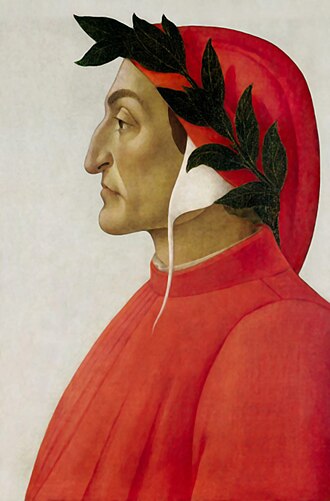 Dante Alighieri1265 – 1321Florentine poet, writer, and philosopher (c. 1265–1321)Source: Wikidata (country of birthplace)
 Galileo Galilei1564 – 1642Italian polymath (1564–1642)Source: Wikidata (country of birthplace)
 Michelangelo1475 – 1564Italian artist and architect (1475-1564)Source: Wikidata (country of birthplace)
 Virgil70 BCE – 19 BCERoman poet (1st century BC)Source: Wikidata (country of birthplace)
 Augustus63 BCE – 14 CEFirst emperor of the Roman Empire and founder of the Julio-Claudian dynastySource: Wikidata (country of birthplace)
 Christopher Columbus1451 – 1506Italian navigator, explorer, and colonist (1451–1506)Source: Wikidata (country of birthplace)
 Niccolò Machiavelli1469 – 1527Florentine statesman, diplomat, and political theorist (1469–1527)Source: Wikidata (country of birthplace)
 Lionel Messib. 1987Argentine association football player (born 1987)Source: Wikidata (citizenship)
 Marco Polo1254 – 1324Venetian explorer and merchant who travelled through Asia (1254–1324)Source: Wikidata (country of birthplace)
 Thomas Aquinas1225 – 1274Italian Dominican friar, philosopher, Catholic priest, and Doctor of the Church (1225–1274)Source: Wikidata (country of birthplace)
 Richard Wagner1813 – 1883German composer (1813–1883)Source: Wikidata (citizenship)
 Cicero106 BCE – 43 BCERoman statesman, lawyer, orator, and philosopher (106–43 BC)Source: Wikidata (country of birthplace)
 Ovid43 BCE – 17 CERoman poet (43 BC – 17/18 AD)Source: Wikidata (country of birthplace)
 Benito Mussolini1883 – 1945Dictator of Italy from 1922 to 1945Source: Wikidata (country of birthplace)
 Benedict XVI1927 – 2022265 th pope of the Catholic Church (2005–2013)Source: Wikidata (citizenship)
 Raphael1483 – 1520Italian painter and architect (1483–1520)Source: Wikidata (country of birthplace)
 Giuseppe Verdi1813 – 1901Italian opera composer (1813–1901)Source: Wikidata (country of birthplace)
 Marcus Aurelius121 CE – 180 CE16th Roman Emperor from 161 to 180 and Stoic philosopherSource: Wikidata (country of birthplace)
 Enrico Fermi1901 – 1954Italian–American physicist (1901–1954)Source: Wikidata (citizenship)
 Horace65 BCE – 8 BCERoman lyric poet (65–8 BC)Source: Wikidata (country of birthplace)
 Antonio Vivaldi1678 – 1741Italian composer and violinist (1678–1741)Source: Wikidata (country of birthplace)
 Silvio Berlusconi1936 – 2023Italian media tycoon and politician (1936–2023)Source: Wikidata (citizenship)
 Petrarch1304 – 1374Italian scholar and poet (1304-1374)Source: Wikidata (country of birthplace)
 Federico Fellini1920 – 1993Italian filmmaker (1920–1993)Source: Wikidata (citizenship)
 Florence Nightingale1820 – 1910English social reformer, statistician, and founder of modern nursing (1820–1910)Source: Wikidata (country of birthplace)
 Umberto Eco1932 – 2016Italian semiotician, essayist, philosopher, literary critic, and novelist (1932–2016)Source: Wikidata (citizenship)
 Giovanni Boccaccio1313 – 1375Italian author and poet (1313–1375)Source: Wikidata (country of birthplace)
 Giordano Bruno1548 – 1600Italian Dominican friar, philosopher and mathematician (1548–1600)Source: Wikidata (country of birthplace)
 Giacomo Puccini1858 – 1924Italian opera composer (1858–1924)Source: Wikidata (country of birthplace)
 Robert De Nirob. 1943American actor (born 1943)Source: Wikidata (citizenship)
 Francis of Assisi1182 – 1226Italian Catholic saint, friar, deacon and preacher and founder of the Franciscan Order (1181/2–1226)Source: Wikidata (country of birthplace)
 Frank Sinatra1915 – 1998American singer and actor (1915–1998)Source: Wikidata (citizenship)
 Nero37 CE – 68 CEFifth and last Roman Emperor of Julio-Claudian dynasty (54–68)Source: Wikidata (country of birthplace)
 Luigi Pirandello1867 – 1936Italian dramatist, novelist, short story writer and poet (1867-1936)Source: Wikidata (country of birthplace)
 Sophia Lorenb. 1934Italian actress (born 1934)Source: Wikidata (citizenship)
 Caligula12 CE – 41 CEThird Roman emperor (37–41)Source: Wikidata (country of birthplace)
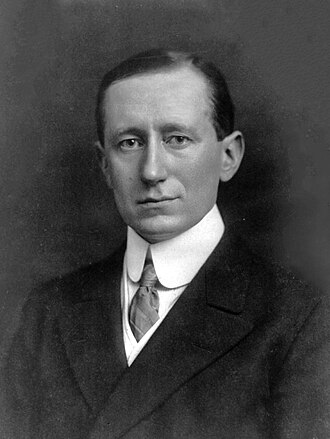 Guglielmo Marconi1874 – 1937Italian inventor and radio pioneer (1874–1937)Source: Wikidata (country of birthplace)
 Titus Livius59 BCE – 17 CERoman historian (59 BC – AD 17)Source: Wikidata (country of birthplace)
 John Paul I1912 – 1978Pope of the Catholic Church in 1978Source: Wikidata (citizenship)
 Giorgia Melonib. 1977Prime Minister of Italy since 2022Source: Wikidata (citizenship)
 Antonio Gramsci1891 – 1937Italian Marxist philosopher, writer, and politician (1891–1937)Source: Wikidata (country of birthplace)
 Juan Carlos I of Spainb. 1938King of Spain from 1975 to 2014Source: Wikidata (country of birthplace)
 Francesco Tottib. 1976Italian association football playerSource: Wikidata (citizenship)
 Fibonaccic. 1170 – 1240Italian mathematician (c.1170–c.1240/50)Source: Wikidata (country of birthplace)
 Paul VI1897 – 1978Pope of the Catholic Church from 1963 to 1978 (1897–1978)Source: Wikidata (citizenship)
 Lucretius94 BCE – 55 BCE1st-century BC Roman poet and philosopherSource: Wikidata (country of birthplace)
Showing the 48 best-known of 200 people.
Everything that happened
Showing the 200 best-known of 291 events.
- c. 496 BCEBattle of Lake RegillusRegillusThe Battle of Lake Regillus was a legendary Roman victory over the Latin League shortly after the establishment of the Roman Republic and as part of a wider Latin War. The Latins were led by an elderly Lucius Tarquinius Superbus, the seventh and last King of Rome, who had been expelled in 509 BC, and his son-in-law, Octavius Mamilius, the dictator of Tusculum.Source: Wikidata (country)
- 480 BCEBattle of HimeraHimeraThe Battle of Himera (480 BC), supposedly fought on the same day as the Battle of Salamis, or at the same time as the Battle of Thermopylae, saw the Greek forces of Gelon, King of Syracuse, and Theron, tyrant of Agrigentum, defeat the Carthaginian force of Hamilcar the Magonid, ending a Carthaginian bid to restore the deposed tyrant of Himera.Source: Wikidata (country)
- 477 BCEBattle of the CremeraCremeraThe Battle of the Cremera was fought between the Roman Republic and the Etruscan city of Veii, in 477 BC (AUC 277).Source: Wikidata (country)
- 474 BCEBattle of CumaeGulf of NaplesThe Battle of Cumae was a naval battle fought by the combined navies of Syracuse and Cumae against the Etruscans in 474 BC.Source: Wikidata (country)
- 431 BCE – 404 BCEPeloponnesian WarAncient GreeceThe Peloponnesian War was fought in the Eastern Mediterranean between the Athenian-led Delian League and the Spartan-led Peloponnesian League from 431 to 404 BC for hegemony over Ancient Greece. Initially inconclusive, the intervention of the Persian Empire in support of Sparta in 413 BC allowed the Spartan coalition to decisively defeat Athens, beginning a period of Spartan hegemony over Greece.Source: Wikidata (country)
- 409 BCEBattle of HimeraHimeraNear the site of the first battle and great Carthaginian defeat of 480 BC, the Second Battle of Himera was fought near the city of Himera in Sicily in 409 between the Carthaginian forces under Hannibal Mago (a king of Carthage of the Magonid family, not the famous Hannibal of the Barcid family) and the Ionian Greeks of Himera aided by an army and a fleet from Syracuse.Source: Wikidata (country)
- 387 BCEBattle of the AlliaAlliaThe Battle of the Allia was fought c. 387 BC between the Senones – a Gallic tribe led by Brennus, who had invaded Northern Italy – and the Roman Republic.Source: Wikidata (country)
- 341 BCE – 338 BCELatin WarLatium VetusThe (Second) Latin War of 340–338 BC was a conflict between the Roman Republic and its neighbors, the Latin peoples of ancient Italy. It ended in the dissolution of the Latin League and incorporation of its territory into the Roman sphere of influence, with the Latins gaining partial rights and varying levels of citizenship.Source: Wikidata (country of the location)
- 321 BCEBattle of the Caudine ForksCaudine ForksThe Battle of Caudine Forks (321 BC) was a decisive event of the Second Samnite War. Its designation as a battle is a mere historical formality: there was no fighting and there were no casualties. The Romans were trapped in an enclosed valley by the Samnites before they knew what was happening and nothing remained but to negotiate an unfavorable surrender.Source: Wikidata (country)
- 315 BCEBattle of LautulaeLautulaeThe Battle of Lautulae was fought in 315 BC during the Second Samnite War, opposing the Roman Republic (led by dictator Quintus Fabius Maximus Rullianus) and the Samnites, who defeated the Romans.Source: Wikidata (country)
- 311 BCEBattle of the Himera RiverSyracuseThe Battle of the Himera River was fought in 311 BC between Carthage and Syracuse near the mouth of the Himera river (the modern Salso river). Hamilcar, grandson of Hanno the Great, led the Carthaginians, while the Syracusans were led by Agathocles.Source: Wikidata (country)
- 310 BCEBattle of Lake VadimoLake VadimoThe first Battle of Lake Vadimo was fought in 310 BC between Rome and the Etruscans, and ended up being the largest battle between these nations. The Romans were victorious, gaining land and influence in the region. The Etruscans sustained heavy losses in the battle and would never again reclaim their previous glory.Source: Wikidata (country)
- 295 BCEBattle of SentinumSassoferratoThe Battle of Sentinum was the decisive battle of the Third Samnite War, fought in 295 BC near Sentinum (next to the modern town of Sassoferrato, in the Marches region of Italy), in which the Romans overcame a formidable coalition of Samnites, Etruscans, Umbrians, and Senone Gauls.Source: Wikidata (country)
- 284 BCEBattle of ArretiumArezzoThe Battle of Arretium, which was probably fought in 284 BC, is a poorly documented event in the history of the Roman Republic because it occurred in a period for which some of the books of the History of Rome by Livy, the most thorough ancient historian for early Rome, have been lost.Source: Wikidata (country)
- 280 BCEBattle of HeracleaPolicoroThe Battle of Heraclea took place in 280 BC between the Romans under the command of consul Publius Valerius Laevinus, and the combined forces of Greeks from Epirus, Tarentum, Thurii, Metapontum, and Heraclea under the command of Pyrrhus, king of Epirus. Although the battle was a victory for the Greeks, they incurred severe losses.Source: Wikidata (country)
- 279 BCEBattle of AsculumAscoli SatrianoThe Battle of Asculum was a battle that took place near Asculum (modern Ascoli Satriano) in 279 BC, and was thought to have lasted either one or two days, between the Roman Republic under the command of the consuls Publius Decius Mus (who by some accounts died before the battle) and Publius Sulpicius Saverrio, and the forces of King Pyrrhus of Epirus.Source: Wikidata (country)
- 275 BCEBattle of BeneventumBeneventoThe Battle of Beneventum (275 BC) was the last battle of the Pyrrhic War. It was fought near Beneventum, in southern Italy, between the forces of Pyrrhus, king of Epirus in Greece, and the Romans, led by consul Manius Curius Dentatus. The result was a strategic Roman victory and Pyrrhus was forced to return to Tarentum, and later to Epirus.Source: Wikidata (country)
- 264 BCEBattle of MessanaMessinaThe Battle of Messana in 264 BC was the first military clash between the Roman Republic and Carthage. It marked the start of the First Punic War. In that period, and after the recent successes in southern Italy, Sicily became of increasing strategic importance to Rome.Source: Wikidata (country)
- 261 BCEBattle of AgrigentumAgrigentoThe Battle of Agrigentum (Sicily, 262 BC) was the first pitched battle of the First Punic War and the first large-scale military confrontation between Carthage and the Roman Republic. The battle was fought after a long siege which started in 262 BC and resulted both in a Roman victory and the beginning of Roman control of Sicily.Source: Wikidata (country)
- 260 BCEBattle of MylaeMilazzoThe Battle of Mylae took place in 260 BC during the First Punic War and was the first real naval battle between Carthage and the Roman Republic. This battle was key in the Roman victory of Mylae (present-day Milazzo) as well as Sicily itself. It also marked Rome's first naval triumph and also the first use of the corvus in battle.Source: Wikidata (country)
- 260 BCEBattle of the Lipari IslandsLipariThe Battle of the Lipari Islands or Battle of Lipara was a naval encounter fought in 260 BC during the First Punic War. A squadron of 20 Carthaginian ships commanded by Boödes surprised 17 Roman ships under the senior consul for the year Gnaeus Cornelius Scipio in Lipara Harbour. The inexperienced Romans made a poor showing, with all 17 of their ships captured, along with their commander.Source: Wikidata (country of the location)
- 258 BCEBattle of SulciSulciThe Battle of Sulci was a naval battle fought in 258 BC between the Roman and Carthaginian navies on the coast near the town of Sulci, Sardinia. It was a Roman victory, obtained by consul Gaius Sulpicius Paterculus. The Carthaginian fleet was largely sunk, and the rest of the ships were abandoned on land. The Carthaginian commander Hannibal Gisco was crucified or stoned to death by his mutinying army.Source: Wikidata (country)
- 257 BCEBattle of TyndarisTindariThe Battle of Tyndaris was a naval battle of the First Punic War that took place off Tyndaris (modern Tindari) in 257 BC. Tyndaris was a Sicilian town founded as a Greek colony in 396 BC located on the high ground overlooking the Tyrrhenian Sea in the Gulf of Patti. Hiero II, the tyrant of Syracuse, allowed Tyndaris to become a base for the Carthaginians.Source: Wikidata (country)
- 256 BCEBattle of Cape EcnomusLicataThe Battle of Cape Ecnomus or Eknomos (Ancient Greek: Ἔκνομος) was a naval battle, fought off southern Sicily, in 256 BC, between the fleets of Carthage and the Roman Republic, during the First Punic War (264–241 BC). The Carthaginian fleet was commanded by Hanno and Hamilcar; the Roman fleet jointly by the consuls for the year, Marcus Atilius Regulus and Lucius Manlius Vulso Longus.Source: Wikidata (country of the location)
- 251 BCEBattle of PanormusPalermoThe Battle of Panormus was fought in Sicily in 250 BC during the First Punic War between a Roman army led by Lucius Caecilius Metellus and a Carthaginian force led by Hasdrubal, son of Hanno. The Roman force of two Roman and two allied legions defending the city of Panormus defeated the much larger Carthaginian army of 30,000 men and between 60 and 142 war elephants.Source: Wikidata (country)
- 249 BCEBattle of DrepanaTrapaniThe naval Battle of Drepana (or Drepanum) took place in 249 BC during the First Punic War near Drepana (modern Trapani) in western Sicily, between a Carthaginian fleet under Adherbal and a Roman fleet commanded by Publius Claudius Pulcher.Source: Wikidata (country)
- 241 BCEBattle of the AegatesAegadian IslandsThe Battle of the Aegates was a naval battle fought on 10 March 241 BC between the fleets of Carthage and Rome during the First Punic War. It took place among the Aegates Islands, off the western coast of the island of Sicily. The Carthaginians were commanded by Hanno, and the Romans were under the overall authority of Gaius Lutatius Catulus, but Quintus Valerius Falto commanded during the battle.Source: Wikidata (country)
- 225 BCEBattle of TelamonTalamoneThe Battle of Telamon was fought between the Roman Republic and an alliance of Celtic tribes in 225 BC. The Romans, led by the consuls Gaius Atilius Regulus and Lucius Aemilius Papus, defeated the Celts led by the Gaesatae kings Concolitanus and Aneroëstes. This removed the Celtic threat from Rome and allowed the Romans to extend their influence over northern Italy.Source: Wikidata (country)
- 218 BCEBattle of LilybaeumMarsalaThe Battle of Lilybaeum was the first clash between the navies of Carthage and Rome in 218 BC during the Second Punic War. The Carthaginians had sent 35 quinqueremes to raid Sicily, starting with Lilybaeum. The Romans, warned by Hiero of Syracuse of the coming raid, had time to intercept the Carthaginian contingent with a fleet of 20 quinqueremes and managed to capture several Carthaginian ships.Source: Wikidata (country)
- 218 BCEBattle of the TrebiaPiacenzaThe Battle of the Trebia (or Trebbia) was the first major battle of the Second Punic War, fought between the Carthaginian forces of Hannibal and a Roman army under Sempronius Longus on 22 or 23 December 218 BC. Each army had a strength of about 40,000 men; the Carthaginians were stronger in cavalry, the Romans in infantry.Source: Wikidata (country)
- 218 BCEBattle of TicinusTicinoThe Battle of Ticinus was fought between the Carthaginian forces of Hannibal and a Roman army under Publius Cornelius Scipio in late November 218 BC as part of the Second Punic War. It took place in the flat country on the right bank of the river Ticinus, to the west of modern Pavia in northern Italy.Source: Wikidata (country)
- 217 BCEBattle of GeroniumGeroniumThe Battle of Geronium (also spelled Gerunium) was a significant engagement fought between the forces of Carthage and the Roman Republic during the summer and autumn of 217 BC, amid the broader context of the Second Punic War. The confrontation resulted in a tactical victory for the Carthaginian general Hannibal Barca, consolidating his position in southern Italy and further undermining Roman morale.Source: Wikidata (country)
- 217 BCEBattle of Lake TrasimeneLake TrasimenoThe Battle of Lake Trasimene was fought when a Carthaginian force under Hannibal ambushed a Roman army commanded by Gaius Flaminius on 21 June 217 BC, during the Second Punic War. The battle took place on the north shore of Lake Trasimene, to the south of Cortona, and resulted in a heavy defeat for the Romans.Source: Wikidata (country)
- 216 BCEBattle of CannaeCannaeThe Battle of Cannae (Latin: [ˈkanːae̯]) was a key engagement of the Second Punic War between the Roman Republic and Carthage, fought on 2 August 216 BC near the ancient village of Cannae in Apulia, southeast Italy. The Carthaginians and their allies, led by Hannibal, surrounded and practically annihilated a larger Roman and Italian army under the consuls Lucius Aemilius Paullus and Gaius Terentius Varro.Source: Wikidata (country)
- 216 BCEBattle of NolaNolaThe First Battle of Nola was fought in 216 BC between the forces of Hannibal and a Roman force led by Marcus Claudius Marcellus. Hannibal was attempting to seize the town of Nola: He failed to do so, and would make two more unsuccessful attempts on the city over the next two years.Source: Wikidata (country)
- 215 BCEBattle of NolaNolaThe Second Battle of Nola was fought in 215 BC between Hannibal's army and a Roman force under Marcus Claudius Marcellus. It was Hannibal's second attempt to seize Nola after a failure the year before. He was again repelled and would make one more, also unsuccessful attempt the next year. For the Romans, it was a crucial success against Hannibal's army and gave them hope that they could win the war.Source: Wikidata (country)
- 214 BCEBattle of NolaNolaThe Third Battle of Nola was fought in 214 BC between Hannibal and a Roman army led by Marcus Claudius Marcellus. It was Hannibal's third attempt to take the town of Nola. Once again, Marcellus successfully prevented the town's capture.Source: Wikidata (country)
- 214 BCE – 212 BCESiege of SyracuseSyracuseThe siege of Syracuse by the Roman Republic took place in 213–212 BC. The Romans successfully stormed the Hellenistic city of Syracuse after a protracted siege, giving them control of the entire island of Sicily.Source: Wikidata (country)
- 212 BCEBattle of CapuaCapuaThe First Battle of Capua was fought in 212 BC between Hannibal Barca and two Roman consular armies. The Roman force was led by two consuls, Quintus Fulvius Flaccus and Appius Claudius Pulcher. The Roman force was defeated, but managed to escape. Hannibal temporarily managed to raise the siege of Capua. A tactical Carthaginian victory, it ultimately did not help the Capuans.Source: Wikidata (country)
- 212 BCEBattle of HerdoniaOrdonaThe first Battle of Herdonia was fought in 212 BC during the Second Punic War between Hannibal's Carthaginian army and Roman forces led by Praetor Gnaeus Fulvius Flaccus, brother of the consul Quintus Fulvius Flaccus. The Roman army was destroyed, leaving Apulia free of Romans for the year.Source: Wikidata (country)
- 212 BCEBattle of the SilarusSeleThe Battle of the Silarus was fought in 212 BC between Hannibal's army and a Roman force led by centurion Marcus Centenius Penula. The vastly outnumbered Carthaginians were victorious, destroying the entire Roman army and killing 15,000 Roman soldiers in the process.Source: Wikidata (country)
- 211 BCESiege of CapuaCapuaThe Siege of Capua was fought in 211 BC, when the Romans besieged Capua. It is described by Polybius at 9.4–7, by Livy at 26.4–6, and by Appian at 37–44 of his Hannibalic War.Source: Wikidata (country)
- 210 BCEBattle of HerdoniaOrdonaThe second battle of Herdonia took place in 210 BC during the Second Punic War. Hannibal, leader of the Carthaginians, who had invaded Italy eight years earlier, encircled and destroyed a Roman army which was operating against his allies in Apulia.Source: Wikidata (country)
- 210 BCEBattle of NumistroNumistroThe Battle of Numistro was fought in 210 BC between Hannibal's army and one of the Roman consular armies led by consul Marcus Claudius Marcellus. It was the fourth time they met in a battle. Previous encounters were located around the walls of Nola (Campania) in 216, 215, and 214 and had been favourable for the Roman side.Source: Wikidata (country)
- 209 BCEBattle of CanusiumAscoli SatrianoThe Battle of Canusium also known as the Battle of Asculum was a three-day engagement between the forces of Rome and Carthage. It took place in Apulia during the spring of 209 BC, the tenth year of the Second Punic War.Source: Wikidata (country)
- 207 BCEBattle of GrumentumGrumentumThe Battle of Grumentum was fought in 207 BC between Romans led by Gaius Claudius Nero, and a part of Hannibal's Carthaginian army. The battle was a minor engagement that Roman sources inflated as a major success. According to Livy, the Romans killed 8,000 Carthaginians and took 700 prisoners for the cost of 500 dead Romans.Source: Wikidata (country)
- 207 BCEBattle of the MetaurusMetauroThe Battle of the Metaurus was a pivotal battle in the Second Punic War between Rome and Carthage, fought in 207 BC near the Metauro River in Italy. The Carthaginians were led by Hasdrubal Barca, brother of Hannibal, who was to have brought siege equipment and reinforcements for Hannibal. The Roman armies were led by the consuls Marcus Livius, who was later nicknamed the Salinator, and Gaius Claudius Nero.Source: Wikidata (country)
- 204 BCEBattles of KrotonCrotoneThe Battles of Kroton in 204 and 203 BC were, as well as the raid in Cisalpine Gaul, the last larger scale engagements between the Romans and the Carthaginians in Italy during the Second Punic War.Source: Wikidata (country)
- 135 BCE – 132 BCEFirst Servile WarSicilyThe First Servile War of 135–132 BC (also known as the First Sicilian Slave War) was a slave rebellion against the Roman Republic, which took place in Sicily. The revolt started in 135 when Eunus, a slave from Syria who claimed to be a prophet, captured the city of Enna in the middle of the island with 400 fellow slaves.Source: Wikidata (country)
- 101 BCEBattle of VercellaeVercelliThe Battle of Vercellae or Battle of the Raudine Plain was fought on 30 July 101 BC on a plain near Vercellae in Gallia Cisalpina, modern-day Northern Italy. A Celtic-Germanic confederation under the command of the Cimbric king Boiorix was defeated by a Roman army under the joint command of the consul Gaius Marius and the proconsul Quintus Lutatius Catulus. The battle marked the end of the Cimbrian War.Source: Wikidata (country)
- 91 BCE – 88 BCESocial WarItalyThe Social War (from Latin bellum sociale, "war of the allies"), also known as the Italian War or the Marsic War, was fought between the Roman Republic and several of its autonomous allies (socii), largely from 91 to 88 BC in Italy, with some holdouts persisting until 87 BC.Source: Wikidata (country)
- 82 BCEBattle of the Colline GateAncient RomeThe Battle of the Colline Gate, fought on 1 November 82 BC, was the decisive battle of the civil war between Lucius Cornelius Sulla and the Marians, Samnites and Lucanians. Sulla won the battle at the northeastern end of Rome, near the Colline Gate, and secured control of Italy. Appian is the only source who provides details about the battle.Source: Wikidata (country)
- 73 BCE – 71 BCEThird Servile WarItalian PeninsulaThe Third Servile War, also called the Gladiator War and the War of Spartacus by Plutarch, was the last in a series of slave rebellions against the Roman Republic known as the Servile Wars. This third rebellion was the only one that directly threatened the Roman heartland of Italy. It was particularly alarming to Rome because its military seemed powerless to suppress it.Source: Wikidata (country of the location)
- 44 BCEJulius Caesar assassinatedRomeSenators stab Caesar on the Ides of March. The civil wars that follow end the Republic and bring Augustus to power as the first emperor.Source: Wikidata (country of the location)
- 43 BCEBattle of Forum GallorumCastelfranco EmiliaThe Battle of Forum Gallorum was fought on 14 April 43 BC between the forces of Mark Antony and legions loyal to the Roman Senate under the overall command of consul Gaius Pansa, aided by his fellow consul Aulus Hirtius. The untested Caesar Octavian (the future emperor Augustus) guarded the Senate's camp.Source: Wikidata (country)
- 43 BCEBattle of MutinaItalyThe Battle of Mutina took place on 21 April 43 BC between the forces loyal to the Senate under consuls Gaius Vibius Pansa and Aulus Hirtius, supported by the forces of Caesar Octavian, versus the forces of Mark Antony which were besieging the troops of Decimus Brutus. The latter, one of Caesar's assassins, held the city of Mutina (present-day Modena) in Cisalpine Gaul.Source: Wikidata (country)
- 41 BCE – 40 BCEPerusine WarRomeThe Perusine War (also Perusian or Perusinian War, or the War of Perusia) was a civil war of the Roman Republic, which lasted from 41 to 40 BC. It was fought by Lucius Antonius (the younger brother of Mark Antony) and the Umbrians of Perusia in support of Mark Antony against his political enemy Octavian (the future Emperor Augustus).Source: Wikidata (country of the location)
- 36 BCEBattle of NaulochusNaulochusThe naval Battle of Naulochus was fought on 3 September 36 BC between the fleets of Sextus Pompeius and Marcus Vipsanius Agrippa, off Naulochus, Sicily. The victory of Agrippa, admiral of Octavian, marked the end of the Pompeian resistance to the Second Triumvirate.Source: Wikidata (country)
- 79 CEEruption of Mount Vesuvius in 79 ADMount VesuviusIn 79 AD, Mount Vesuvius, a stratovolcano located in the modern-day region of Campania, Italy, erupted, causing one of the deadliest eruptions in history. Vesuvius violently ejected a cloud of super-heated tephra and gases to a height of 33 km (21 mi), ejecting molten rock, pulverized pumice and hot ash at 1.5 million tons per second, ultimately releasing 100,000 times the thermal energy of the atomic bombings of…Source: Wikidata (country of the location)
- 268 CEBattle of Lake BenacusLake GardaThe Battle of Lake Benacus was fought along the banks of Lake Garda in northern Italy, which was known to the Romans as Benacus, in 268 or early 269, between the army under the command of the Roman Emperor Claudius II and the Germanic tribes of the Alamanni and Juthungi.Source: Wikidata (country)
- 271 CEBattle of FanoMetauroThe Battle of Fano also known as the Battle of Fanum Fortunae was fought in 271 between the Roman and the Juthungian armies. The Romans led by Emperor Aurelian, were victorious.Source: Wikidata (country)
- 312 CEBattle of the Milvian BridgePonte MilvioThe Battle of the Milvian Bridge took place between the Roman Emperors Constantine I and Maxentius on 28 October AD 312. It takes its name from the Milvian Bridge, an important route over the Tiber. Constantine won the battle and started on the path that led him to end the Tetrarchy and become the sole ruler of the Roman Empire.Source: Wikidata (country)
- 402 CEBattle of PollentiaBraThe Battle of Pollentia was fought on 6 April 402 between the Romans under Stilicho and the Visigoths under Alaric I, during the first Gothic invasion of Italy (401–403). The Romans were victorious, and forced Alaric to retreat, though he rallied to fight again in the next year in the Battle of Verona, where he was again defeated.Source: Wikidata (country)
- 410 CESack of RomeRomeThe sack of Rome on 24 August 410 AD was undertaken by the Visigoths led by their king, Alaric. At that time, Rome was no longer the administrative capital of the Western Roman Empire, having been replaced first by Mediolanum (now Milan) in 286 and then by Ravenna in 402. Nevertheless, the city of Rome retained a paramount position as "the eternal city" and a spiritual center of the Empire.Source: Wikidata (country of the location)
- 533 CE – 534 CEVandalic WarNorth AfricaThe Vandalic War (533–534) was a conflict fought in North Africa between the forces of the Byzantine Empire (also known as the Eastern Roman Empire) and the Germanic Vandal Kingdom. It was the first war of Emperor Justinian I's Renovatio imperii Romanorum, wherein the Byzantines attempted to reassert Roman sovereignty over territory formerly controlled by the Western Roman Empire.Source: Wikidata (country)
- 535 CE – 554 CEGothic WarSicilyThe Gothic War between the Byzantine Empire during the reign of Emperor Justinian I and the Ostrogoths (Goths) took place from 535 to 554 in the Italian Peninsula, Dalmatia, Sardinia, Sicily, and Corsica. It was the last of the Gothic wars against the Byzantine Empire.Source: Wikidata (country of the location)
- 537 CE – 538 CESiege of RomeRomeThe siege of Rome took place on 2 March 537 – 12 March 538 AD and it was the city's first siege during the Gothic War (535–554) between the defending Byzantine Empire's forces under the leadership of General Belisarius against a numerically superior Ostrogothic (Goths) force under King Vitiges.Source: Wikidata (country)
- 546 CESack of RomeRomeIn 546, Rome was besieged for a year by the Gothic king Totila during the Gothic War between the Ostrogoths (Goths) and the Byzantine Empire.Source: Wikidata (country)
- 551 CEBattle of Sena GallicaSenigalliaThe Battle of Sena Gallica was a naval engagement fought in the autumn of 551 off the Italian Adriatic coast near Sena Gallica, (modern Senigallia). It marked a turning point in the Gothic War (535–554) between the Byzantines and the Ostrogoths (Goths).Source: Wikidata (country)
- 552 CEBattle of Mons LactariusMonti LattariThe Battle of Mons Lactarius took place in October 552 during the Gothic War (535–554) between Byzantine forces and the Ostrogoths (Goths) at Mount Lactarius near Mount Vesuvius in Italy.Source: Wikidata (country)
- 552 CEBattle of TaginaeGualdo TadinoThe Battle of Taginae or Battle of Busta Gallorum took place in July 552 AD, where Byzantines led by Narses defeated the Ostrogoths (Goths) under King Totila in the late stages of the Gothic War (535–554). The Byzantine victory paved the way for the Byzantine reconquest of the Italian Peninsula and the dissolution of the Gothic Kingdom.Source: Wikidata (country)
- 773 CE – 774 CESiege of PaviaPaviaThe siege or battle of Pavia was fought in 773–774 in northern Italy, near Ticinum (modern Pavia), and resulted in the victory of the Franks under Charlemagne against the Lombards under King Desiderius.Source: Wikidata (country)
- 849 CEBattle of OstiaOstiaThe naval Battle of Ostia took place in 849 in the Tyrrhenian Sea between a Muslim fleet and an Italian league of Papal, Neapolitan, Amalfitan, and Gaetan ships. The battle ended in favor of the Italian league, as they defeated the Muslims.Source: Wikidata (country)
- 915 CEBattle of GariglianoGariglianoThe Battle of Garigliano was fought in 915 between Christian forces and the Saracens. Pope John X personally led the Christian forces into battle. The aim was to destroy the Arab fortress on the Garigliano River, which had threatened central Italy and the outskirts of Rome for nearly 30 years.Source: Wikidata (country)
- 982 CEBattle of StiloCapo ColonnaThe Battle of Stilo (also known as Cape Colonna and Crotone) was fought on 13 or 14 July 982 near Crotone in Calabria between the forces of Holy Roman Emperor Otto II and his Italo-Lombard allies and those of the Kalbid emir of Sicily, Abu'l-Qasim, who had declared a holy war against the Germans. The battle ended in Sicilian victory.Source: Wikidata (country)
- 1018Battle of CannaeCannaeThe Battle of Cannae took place in 1018 between the Byzantines under the Catepan of Italy Basil Boioannes and the Lombards under Melus of Bari. The Lombards had also hired some Norman cavalry mercenaries under their leader Gilbert Buatère, while Boioannes had a detachment of elite Varangian Guard sent to him at his request to combat the Normans.Source: Wikidata (country)
- 1053Battle of CivitateSan Paolo di CivitateThe Battle of Civitate was fought on 18 June 1053 in southern Italy, between the Normans, led by the Count of Apulia Humphrey of Hauteville, and a Swabian-Italian-Lombard army, organised by Pope Leo IX and led on the battlefield by Gerard, Duke of Lorraine, and Rudolf, Prince of Benevento.Source: Wikidata (country)
- 1068 – 1071Siege of BariBariThe siege of Bari took place 1068–1071, during the Middle Ages, when Norman forces, under the command of Robert Guiscard, laid siege to the city of Bari, a major stronghold of the Byzantines in Italy and the capital of the Catepanate of Italy, starting from 5 August 1068.Source: Wikidata (country)
- 1176Battle of LegnanoLegnanoThe Battle of Legnano was fought on 29 May 1176 between the army of Frederick Barbarossa, Holy Roman Emperor, and the forces of the Lombard League near Legnano, between Milan and Como, in the Kingdom of Italy.Source: Wikidata (country)
- 1260Battle of MontapertiSienaThe Battle of Montaperti was fought on 4 September 1260 between Florence and Siena in Tuscany as part of the conflict between the Guelphs and Ghibellines. The Florentines were routed. It was the bloodiest battle fought in medieval Italy, with more than 10,000 fatalities. An act of treachery during the battle is recorded by Dante Alighieri in the Inferno section of the Divine Comedy.Source: Wikidata (country)
- 1266Battle of BeneventoBeneventoThe Battle of Benevento was a major medieval battle fought on 26 February 1266, near Benevento in present-day Southern Italy, between the forces of Charles I of Anjou and those of King Manfred of Sicily.Source: Wikidata (country)
- 1268Battle of TagliacozzoPalentine PlainsThe Battle of Tagliacozzo was fought on 23 August 1268 between the Ghibelline supporters of Conradin of Hohenstaufen and the Guelph army of Charles of Anjou. The battle represented the last act of Hohenstaufen power in Italy.Source: Wikidata (country)
- 1282 – 1302War of the Sicilian VespersSouth ItalyThe War of the Sicilian Vespers, also shortened to the War of the Vespers, was a conflict waged by several medieval European kingdoms over control of Sicily from 1282 to 1302. The war, which started with the revolt of the Sicilian Vespers, was fought over competing dynastic claims to the throne of Sicily and grew to involve the Crown of Aragon, Angevin Kingdom of Naples, Kingdom of France, and the papacy.Source: Wikidata (country of the location)
- 1284Battle of MeloriaMeloriaThe Battle of Meloria was fought near the islet of Meloria in the Ligurian Sea on 5 and 6 August 1284 between the fleets of the Republics of Genoa and Pisa as part of the Genoese-Pisan War. The victory of Genoa and the destruction of the Pisan fleet marked the decline of the Republic of Pisa.Source: Wikidata (country of the location)
- 1325 – 1326War of the BucketEmilia-RomagnaThe War of the (Oaken) Bucket (Italian: Guerra della secchia rapita) was fought in 1325 between the rival city-states of Bologna and Modena. It took place in the region of Emilia-Romagna, in northern Italy. The war was an episode in the over 300-year-long struggle between Guelphs and Ghibellines. Modena won the Battle of Zappolino, the only battle of the war.Source: Wikidata (country)
- 1463 – 1479Ottoman–Venetian WarFriuliThe First Ottoman–Venetian War was fought between the Republic of Venice with its allies and the Ottoman Empire from 1463 to 1479. Fought shortly after the capture of Constantinople and the remnants of the Byzantine Empire by the Ottomans, it resulted in the loss of several Venetian holdings in Albania and Greece, most importantly the island of Negroponte (Euboea), which had been a Venetian protectorate for…Source: Wikidata (country of the location)
- 1480 – 1481Ottoman conquest of OtrantoOtrantoIn the summer of 1480, the Ottoman Empire invaded southern Italy, and laid siege to Otranto (Kingdom of Naples), finally capturing it on 11 August. This was their first outpost in Italy. According to a traditional account, more than 800 inhabitants were beheaded after the city had been captured, because they would not renounce their Christian faith. The Martyrs of Otranto are still celebrated in Italy.Source: Wikidata (country of the location)
- 1494 – 1495Italian War of 1494–1495ItalyThe First Italian War, or Charles VIII's Italian War, was the opening phase of the Italian Wars. The war pitted Charles VIII of France, who had initial Milanese aid, against the Holy Roman Empire, Spain and an alliance of Italian powers led by Pope Alexander VI, known as the League of Venice.Source: Wikidata (country)
- 1495Battle of FornovoFornovo di TaroThe Battle of Fornovo took place 30 km (19 miles) southwest of the city of Parma on 6 July 1495. It was fought as King Charles VIII of France left Naples upon hearing the news of the grand coalition assembled against him. Despite the numerical advantage of their opponents, the French won the engagement and Charles was able to march his army out of Italy.Source: Wikidata (country)
- 1499 – 1503Ottoman–Venetian WarAdriatic SeaThe Second Ottoman–Venetian War was fought from 1499 to 1503 between the Ottoman Empire and the Republic of Venice for control of contested lands in the Aegean Sea, the Ionian Sea, and the Adriatic Sea. The Ottomans, under the command of Admiral Kemal Reis, were victorious and forced the Venetians to recognize their gains at the end of the war.Source: Wikidata (country of the location)
- 1503Battle of CerignolaCerignolaThe Battle of Cerignola was fought on 28 April 1503 between Spanish and French armies outside the town of Cerignola, Apulia, Kingdom of Naples (now in modern-day Italy), approximately 80 kilometres (50 mi) west of Bari.Source: Wikidata (country)
- 1503Battle of GariglianoGaetaThe Battle of Garigliano was fought on 29 December 1503 between a Spanish army under Gonzalo Fernández de Córdoba and a French army commanded by Ludovico II, Marquis of Saluzzo, resulting in a decisive Spanish victory.Source: Wikidata (country)
- 1508 – 1516War of the League of CambraiItalian PeninsulaThe War of the League of Cambrai, also known by its second stage as the War of the Holy League, was fought from December 1508 to December 1516, as part of the wider Italian Wars of 1494–1559.Source: Wikidata (country of the location)
- 1509Battle of AgnadelloAgnadelloThe Battle of Agnadello, also known as Vailà, was fought on 14 May 1509 between the army of King Louis XII of France and the Venetian rear-guard elements commanded by Bartolomeo d'Alviano. After a three hour struggle, and after Bartolomeo found himself abandoned by a part of his army, the Venetians were defeated with losses in excess of 4,000 men. Louis then occupied the rest of Lombardy.Source: Wikidata (country)
- 1512Battle of RavennaRavennaThe Battle of Ravenna, fought on 11 April 1512, was a major battle of the War of the League of Cambrai. It saw a Spanish-Papal army under Viceroy of Naples Ramón de Cardona (the Holy League) defeated by France and their Ferrarese allies under Gaston of Foix, who was killed during the battle.Source: Wikidata (country)
- 1513Battle of NovaraNovaraThe Battle of Novara (also known as the battle of Ariotta) was a battle of the War of the League of Cambrai fought on 6 June 1513, near Novara, in Northern Italy. A French attacking force was routed by allied Swiss-Milanese troops. As a consequence, France was forced to withdraw entirely from Italy.Source: Wikidata (country)
- 1515Battle of MarignanoMelegnanoThe Battle of Marignano, (or bataille de Marignan in French) which took place on 13–14 September 1515, near the town now called Melegnano, 16 km southeast of Milan, was the last major engagement of the War of the League of Cambrai. It pitted the French army, led by Francis I, newly crowned King of France, against the Old Swiss Confederacy.Source: Wikidata (country)
- 1521 – 1526Italian War of 1521–1526ItalyThe Italian War of 1521–1526, sometimes known as the Four Years' War (French: Sixième guerre d'Italie, lit. 'sixth war of Italy'), was a part of the Italian Wars. The war pitted Francis I of France and the Republic of Venice against the Holy Roman Emperor Charles V, Henry VIII of England, and the Papal States.Source: Wikidata (country)
- 1522Battle of BicoccaBicoccaThe Battle of Bicocca or La Bicocca (Italian: Battaglia della Bicocca) was fought on 27 April 1522, during the Italian War of 1521–26. A combined French and Venetian force under Odet de Foix, Vicomte de Lautrec, was decisively defeated by an Imperial–Spanish and Papal army under the overall command of Prospero Colonna. Lautrec then withdrew from Lombardy, leaving the Duchy of Milan in Imperial hands.Source: Wikidata (country)
- 1525Battle of PaviaPaviaThe Battle of Pavia, fought on the morning of 24 February 1525, was the decisive engagement of the Italian War of 1521–1526 between the Kingdom of France and the Habsburg Empire of Charles V, Holy Roman Emperor as well as ruler of Spain, Austria, the Low Countries, and the Two Sicilies.Source: Wikidata (country)
- 1526 – 1530War of the League of CognacItalyThe War of the League of Cognac (1526–1530) was fought between the Habsburg dominions of Charles V—primarily the Holy Roman Empire and Spain—and the League of Cognac, an alliance including the Kingdom of France, Pope Clement VII, the Republic of Venice, the Kingdom of England, the Duchy of Milan, and the Republic of Florence.Source: Wikidata (country)
- 1527Sack of RomeRomeThe Sack of Rome, then part of the Papal States, followed the capture of Rome on 6 May 1527 by the mutinous troops of Charles V, Holy Roman Emperor, during the War of the League of Cognac. Charles V only intended to threaten military action to make Pope Clement VII accept his terms. However, the Imperial army (14,000 Germans, including Lutherans, 6,000 Spaniards and some Italians) were largely unpaid and mutinied.Source: Wikidata (country)
- 1536 – 1538Italian War of 1536–1538ProvenceThe Italian war of 1536–1538 was a conflict between King Francis I of France and Charles V, Holy Roman Emperor and King of Spain. The objective was to achieve control over territories in Northern Italy, in particular the Duchy of Milan, which Charles had granted to his son Philip.Source: Wikidata (country)
- 1542 – 1546Italian War of 1542–1546ItalyThe Italian War of 1542–1546 was a conflict late in the Italian Wars, pitting Francis I of France and Suleiman I of the Ottoman Empire against the Holy Roman Emperor Charles V and Henry VIII of England. The course of the war saw extensive fighting in Italy, France, and the Low Countries, as well as attempted invasions of Spain and England.Source: Wikidata (country)
- 1544Battle of CeresoleCeresole AlbaThe Battle of Ceresole (Italian pronunciation: [tʃereˈzɔːle]; also Cérisoles) took place on 14 April 1544, during the Italian War of 1542–1546, outside the village of Ceresole d'Alba in the Piedmont region of Italy. A French army, commanded by François de Bourbon, Count of Enghien, defeated the combined forces of the Holy Roman Empire and Spain, commanded by Alfonso d'Avalos d'Aquino, Marquis del Vasto.Source: Wikidata (country)
- 1551 – 1559Italian War of 1551–1559FranceThe Italian War of 1551–1559 began when Henry II of France declared war against Charles V, Holy Roman Emperor, with the intent of recapturing parts of Italy and ensuring French, rather than Habsburg, domination of European affairs. The war ended following the signing of the Treaty of Cateau-Cambrésis between the monarchs of Spain, England and France in 1559.Source: Wikidata (country of the location)
- 1552Battle of PonzaPonzaThe Battle of Ponza (1552) was a naval battle that occurred near the Italian island of Ponza. The battle was fought between a Franco-Ottoman fleet under Dragut and a Spanish-Genoese fleet commanded by Andrea Doria. The latter were attempting to carry troops to Naples, but were diverted and lost seven galleys captured.Source: Wikidata (country)
- 1615 – 1617Uskok WarAdriatic SeaThe Uskok War, also known as the War of Gradisca or the War of Friuli, was fought by the Austrians, Slovenes, Croats (from Croatia and Slavonia) and Spanish on one side and the Venetians, Croats (from Dalmatia and Istria), Slovenes (from Istria), Dutch, and English on the other. It is named for the Uskoks, soldiers from Croatia used by the Austrians for irregular warfare.Source: Wikidata (country of the location)
- 1625 – 16271629–1631 Italian plagueItalian PeninsulaThe Italian plague of 1629–1631, also referred to as the Great Plague of Milan, was part of the second plague pandemic that began with the Black Death in 1348 and ended in the 18th century. One of two major outbreaks in Italy during the 17th century, it affected northern and central Italy and resulted in at least 280,000 deaths, with some estimating fatalities as high as one million, or about 35% of the population.Source: Wikidata (country of the location)
- 1628 – 1631War of the Mantuan SuccessionNorthern ItalyThe War of the Mantuan Succession, 1628 to 1631, was caused by the death in December 1627 of Vincenzo II, last Gonzaga ruler of Mantua and Montferrat. This led to a proxy war between the French-backed Duke of Nevers and the Duke of Guastalla, supported by Spain. It is considered a related conflict of the 1618 to 1648 Thirty Years' War.Source: Wikidata (country of the location)
- 1701Battle of CarpiItalyThe Battle of Carpi was a series of engagements in the summer of 1701, and the first battle of the War of the Spanish Succession that took place on 9 July 1701 between France and Austria. It was a minor skirmish that the French commander decided was not worth fighting, but his soldiers were displeased at his decision to retreat, and he was subsequently replaced.Source: Wikidata (country)
- 1701Battle of ChiariChiariThe Battle of Chiari was fought on 1 September 1701 during the War of the Spanish Succession. The engagement was part of Prince Eugene of Savoy's campaign to seize the Spanish controlled Duchy of Milan in the Italian peninsula, and had followed his victory over Marshal Catinat at the Battle of Carpi in July.Source: Wikidata (country)
- 1702Battle of CremonaCremonaThe Battle of Cremona took place on the night of 31 January to 1 February 1702, during the War of the Spanish Succession, between a French force under Maréchal Villeroi and an Imperial/Austrian army led by Prince Eugene of Savoy.Source: Wikidata (country)
- 1702Battle of LuzzaraLuzzaraThe Battle of Luzzara took place in Lombardy on 15 August 1702 during the War of the Spanish Succession, between a combined French and Savoyard army under Louis Joseph, duc de Vendôme, and an Imperial force under Prince Eugene.Source: Wikidata (country)
- 1705Battle of CassanoCassano d’AddaThe Battle of Cassano took place on 16 August 1705, during the War of the Spanish Succession, near Cassano d'Adda, in Lombardy, Italy. It was fought between a French army commanded by the duc de Vendôme, and an Imperial force under Prince Eugene of Savoy.Source: Wikidata (country)
- 1706Battle of CalcinatoCalcinatoThe Battle of Calcinato took place near Calcinato in Lombardy, Italy on 19 April 1706 during the War of the Spanish Succession. A combined French-Spanish army led by the duc de Vendôme defeated an Imperial force under Graf von Reventlow.Source: Wikidata (country)
- 1706Siege of TurinTurinThe Siege of Turin, June to September 1706, took place during the War of the Spanish Succession. A French army led by Louis de la Feuillade besieged the Savoyard capital of Turin, whose relief by Prince Eugene of Savoy has been called the most brilliant campaign of the war in Italy. The siege is also famous for the death of Piedmontese hero Pietro Micca.Source: Wikidata (country)
- 1718Battle of Cape PassaroCapo PasseroThe Battle of Cape Passaro (also known as the Battle of Avola or the Battle of Syracuse) was a naval battle fought on 11–12 August 1718 between a Royal Navy fleet under Admiral Sir George Byng and a fleet of the Spanish Navy under Lieutenant-general José Antonio de Gaztañeta. It was fought off Cape Passaro, in the southern tip of Sicily, which Spain had occupied.Source: Wikidata (country of the location)
- 1718 – 1720War of the Quadruple AllianceIberian PeninsulaThe War of the Quadruple Alliance, 1718 to 1720, was a conflict between Spain and a coalition of Austria, Great Britain, France, and Savoy, with the addition of the Dutch Republic in 1719. Military operations focused primarily on Sicily and Spain, with minor engagements in North America. The Spanish-backed Jacobite rising of 1719 in Scotland is considered a related conflict.Source: Wikidata (country of the location)
- 1734Battle of BitontoBitontoThe Battle of Bitonto (25 May 1734) was a Spanish victory over Austrian forces near Bitonto in the Kingdom of Naples (in southern Italy) in the War of Polish Succession. The battle ended organized Austrian resistance outside a small number of fortresses in the kingdom.Source: Wikidata (country)
- 17831783 Calabrian earthquakesItalyFive strong earthquakes hit Calabria, a region of the Kingdom of Naples, in 1783. The first two produced significant tsunamis. The epicenters form a clear alignment extending nearly 100 km from the Straits of Messina to about 18 km SSW of Catanzaro. The epicenter of the first earthquake occurred in the plain of Palmi.Source: Wikidata (country)
- 1796Battle of ArcoleArcoleThe Battle of Arcole or Battle of Arcola (15–17 November 1796) (French: Bataille du pont d'Arcole, German: Schlacht bei Arcole) was fought between French and Austrian forces 25 kilometres (16 mi) southeast of Verona during the War of the First Coalition, a part of the French Revolutionary Wars.Source: Wikidata (country)
- 1796Battle of CastiglioneSolferinoThe Battle of Castiglione saw the French Army of Italy under General Napoleon Bonaparte attack an army of the Habsburg monarchy led by Feldmarschall Dagobert Sigmund von Wurmser on 5 August 1796. The outnumbered Austrians were defeated and driven back along a line of hills to the river crossing at Borghetto, where they retired beyond the Mincio River.Source: Wikidata (country)
- 1796Battle of LodiLodiThe Battle of Lodi was fought on Tuesday 10 May 1796 between French forces under General Napoleon Bonaparte and an Austrian rear guard commanded by Karl Philipp Sebottendorf at Lodi, Lombardy (then part of the Habsburg monarchy, now in Italy), being one of the key engagements of the Italian Campaign. The conflict took place as French forces pursued the retreating Austrian army across the Adda River.Source: Wikidata (country)
- 1796Battle of MondovìMondovìThe Battle of Mondovì was fought on 21 April 1796 between the French army of Napoleon Bonaparte and the army of the Kingdom of Sardinia-Piedmont led by Michelangelo Alessandro Colli-Marchi. The French victory meant that they had put the Ligurian Alps behind them, while the plains of Piedmont lay before them. A week later, King Victor Amadeus III sued for peace, taking his kingdom out of the First Coalition.Source: Wikidata (country)
- 1796Battle of MontenotteCairo MontenotteThe Battle of Montenotte was fought on 12 April 1796, near Montenotte Superiore (then in the Kingdom of Sardinia, now in Italy), being the opening engagement of Napoleon Bonaparte's Italian Campaign and the second engagement of the Montenotte campaign. The French Army of Italy, under the command of General Napoleon Bonaparte, defeated an Austrian corps under Field Marshal Eugène-Guillaume Argenteau.Source: Wikidata (country)
- 1797Battle of RivoliRivoli VeroneseThe Battle of Rivoli (14 January 1797) was a key military engagement during the War of the First Coalition near the village of Rivoli, then part of the Republic of Venice. In the climax of the Italian campaign of 1796–1797, the outnumbered French Army of Italy, commanded by General Napoleon Bonaparte, decisively defeated the attacking Austrian army led by General of the Artillery József Alvinczi.Source: Wikidata (country)
- 1798 – 1802War of the Second CoalitionItalian PeninsulaThe War of the Second Coalition (French: Guerre de la Deuxième Coalition) (1798–1802) was the second war between revolutionary France and a coalition of European monarchies, led by Britain, Austria and Russia, and including the Ottoman Empire, Portugal, Naples and various German monarchies. Prussia did not join the coalition, while Spain supported France.Source: Wikidata (country of the location)
- 1799Battle of CassanoCassano d’AddaThe Battle of Cassano (French: Bataille de Cassano, German: Schlacht bei Cassano) was fought in 1799 from 27 to 28 April (O.S.: 16 to 17 April) near Cassano d'Adda, which about 28 km (17 mi) ENE of Milan.Source: Wikidata (country)
- 1799Battle of NoviNovi LigureThe Battle of Novi, which took place on 15 August 1799, was a battle between a combined army of the Habsburg monarchy and the Imperial Russians under Field Marshal Alexander Suvorov and a Republican French army under General Barthélemy Catherine Joubert. As soon as Joubert fell during the battle, Jean Victor Marie Moreau immediately took overall command of the French forces.Source: Wikidata (country)
- 1799Battle of TrebbiaTrebbiaThe Battle of (the) Trebbia (17–20 June [O.S. 6–9 June] 1799) was fought near the rivers of Tidone, Trebbia, and Nure in northern Italy between the joint Russian and Habsburg army under Alexander Suvorov and the Republican French army of Étienne-Jacques-Joseph-Alexandre Macdonald.Source: Wikidata (country)
- 1800Battle of MarengoItalyThe Battle of Marengo was fought on 14 June 1800 between French forces under the First Consul Napoleon Bonaparte and Austrian forces near the city of Alessandria, in Piedmont, Italy.Source: Wikidata (country)
- 1811Battle of LissaAdriatic SeaThe Battle of Lissa, also known as the Battle of Vis (French: Bataille de Lissa; Italian: Battaglia di Lissa; Croatian: Viška bitka), was a naval action fought between a British frigate squadron and a much larger squadron of French and Italian frigates and smaller vessels on Wednesday, 13 March 1811 during the Adriatic campaign of the Napoleonic Wars.Source: Wikidata (country of the location)
- 1815Battle of TolentinoTolentinoThe Battle of Tolentino was fought from 2–3 May 1815 near Tolentino, Kingdom of Naples in what is now Marche, Italy: it was the decisive battle in the Neapolitan War, fought by the Napoleonic King of Naples Joachim Murat to keep the throne after the Congress of Vienna.Source: Wikidata (country)
- 1815Neapolitan WarItalyThe Neapolitan War, also known as the Austro-Neapolitan War, was a conflict between the Napoleonic Kingdom of Naples and the Austrian Empire. It started on 15 March 1815, when King Joachim Murat declared war on Austria, and ended on 20 May 1815, with the signing of the Treaty of Casalanza.Source: Wikidata (country)
- 1848Battle of CustozaVeronaThe First Battle of Custoza was fought on July 24 and 25, 1848, during the First Italian War of Independence between the armies of the Austrian Empire, commanded by Field Marshal Radetzky, and the Kingdom of Sardinia, led by King Charles Albert of Piedmont-Sardinia.Source: Wikidata (country)
- 1848Five Days of MilanMilanThe Five Days of Milan (Italian: Cinque giornate di Milano [ˈtʃiŋkwe dʒorˈnaːte di miˈlaːno]) was an insurrection and a major event in the Revolutionary Year of 1848 that started the First Italian War of Independence. On 18 March, a rebellion arose in the city of Milan which in five days of street fighting drove Marshal Radetzky and his Austrian soldiers from the city.Source: Wikidata (country)
- 1848 – 1849Sicilian revolution of 1848SicilyThe Sicilian revolution of 1848 was the first of the numerous Revolutions of 1848 which swept across Europe. It was a popular rebellion against the rule of Ferdinand II of the House of Bourbon, King of the Two Sicilies.Source: Wikidata (country)
- 1849Battle of NovaraNovaraThe Battle of Novara (or Battle of Bicocca; Bicocca being a borough of Novara) was one of the battles fought between the Austrian Empire and the Kingdom of Sardinia during the First Italian War of Independence, within the era of Italian unification. Lasting the whole day of 22 March 1849 and ending at dawn on 23 March, it resulted in a severe defeat and retreat of the Piedmontese (Sardinian) army.Source: Wikidata (country)
- 1859Armistice of VillafrancaVillafranca di VeronaThe Armistice of Villafranca, concluded by Napoleon III of France and Franz Joseph I of Austria on July 11, 1859, set the stage for the end of the Second Italian War of Independence.Source: Wikidata (country of the location)
- 1859Battle of MagentaMagentaThe Battle of Magenta (Italian pronunciation: [maˈdʒenta]) was fought on 4 June 1859 near the town of Magenta in the Kingdom of Lombardy–Venetia, a crown land of the Austrian Empire, during the Second Italian War of Independence. It resulted in a French-Sardinian victory under Napoleon III against the Austrians under Marshal Ferenc Gyulay.Source: Wikidata (country)
- 1859Battle of MontebelloMontebello della BattagliaThe Battle of Montebello was fought on 20 May 1859 at Montebello (now Montebello della Battaglia) in Lombardy, northern Italy. The first major engagement of the Second Italian War of Independence, it was fought between Austrian troops commanded by Field Marshal Philipp von Stadion und Thannhausen against Piedmontese cavalry and French infantry headed by General Élie Frédéric Forey.Source: Wikidata (country)
- 1859Battle of SolferinoItalyThe Battle of Solferino (referred to in Italy as the Battle of Solferino and San Martino) on 24 June 1859 was the climactic battle of the Second Italian War of Independence and resulted in the victory of the allied French army under Napoleon III and the Piedmont-Sardinian army under Victor Emmanuel II (together known as the Franco-Sardinian alliance) against the Austrian army under Emperor Franz Joseph I.Source: Wikidata (country)
- 1860Treaty of TurinTurinThe Treaty of Turin (Italian: Trattato di Torino; French: Traité de Turin) concluded between France and Piedmont-Sardinia on 24 March 1860 is the instrument by which the Duchy of Savoy and the County of Nice were annexed to France, ending the centuries-old Savoyard rule over these regions.Source: Wikidata (country)
- 1866Battle of CustozaCustozaThe Battle of Custoza took place on the 24 June 1866 during the Third Italian War of Independence in the Italian unification process.Source: Wikidata (country)
- 1866Battle of LissaAdriatic SeaThe Battle of Lissa (also known as the Battle of Vis; Croatian: Bitka kod Visa) was fought on 20 July 1866 between the Italian and Austrian navies near the island of Lissa in the Adriatic Sea during the Third Italian War of Independence.Source: Wikidata (country)
- 1867Battle of MentanaMentanaThe Battle of Mentana was fought on November 3, 1867, near the village of Mentana, located north-east of Rome (then in the Papal States, now modern Lazio), between French-Papal troops and the Italian volunteers led by Giuseppe Garibaldi. Garibaldi's troops tried to capture Rome, which was at that time the main Italian city not yet incorporated into the newly unified Kingdom of Italy.Source: Wikidata (country of the location)
- 1870Capture of RomeRomeThe capture of Rome (Italian: Presa di Roma) occurred on 20 September 1870, as forces of the Kingdom of Italy took control of the city and of the Papal States. After a plebiscite held on 2 October 1870, Rome was officially made capital of Italy on 3 February 1871, completing the unification of Italy (Risorgimento).Source: Wikidata (country)
- 19081908 Messina earthquakeItalyA devastating earthquake occurred on 28 December 1908 in Sicily and Calabria, southern Italy, with a moment magnitude of 7.1 and a maximum Mercalli intensity of XI (Extreme). The epicentre was in the Strait of Messina which separates Sicily from the Italian mainland.Source: Wikidata (country)
- 19151915 Avezzano earthquakeItalyThe 1915 Avezzano earthquake or 1915 Fucino earthquake occurred on 13 January in central Italy at 07:52:42 local time. The shock had a moment magnitude of 6.7 and a maximum Mercalli intensity of XI (Extreme). The epicenter was located in the city of Avezzano (which was destroyed) in the Province of L'Aquila. Around 30,000 direct fatalities and $60 million in damage resulted from the earthquake.Source: Wikidata (country)
- 1915 – 1917Battles of the IsonzoSočaThe Battles of the Isonzo (also known as the Isonzo Front by historians, or the Soča Front; Slovene: soška fronta) were a series of twelve battles between the Austro-Hungarian and Italian armies in World War I mostly on the territory of present-day Slovenia, and the remainder in Italy along the Isonzo (Slovene: Soča) River on the eastern sector of the Italian Front between June 1915 and November 1917.Source: Wikidata (country)
- 1915First Battle of the IsonzoSočaThe First Battle of the Isonzo was fought between the armies of Italy and Austria-Hungary on the northeastern Italian Front in World War I, between 23 June and 7 July 1915.Source: Wikidata (country)
- 1915 – 1918Italian frontEastern AlpsThe Italian front (Italian: Fronte italiano; German: Südwestfront) was one of the main theatres of war of World War I. It involved a series of military engagements along the border between the Kingdom of Italy and Austria-Hungary from 1915 to 1918. The Kingdom of Italy entered the war on the Entente side, although they had previously been allied with Germany and Austria-Hungary in the Triple Alliance.Source: Wikidata (country of the location)
- 1915Second Battle of the IsonzoSočaThe Second Battle of the Isonzo was fought between the armies of the Kingdom of Italy and those of Austria-Hungary in the Italian Front in World War I, between 18 July and 3 August 1915.Source: Wikidata (country)
- 1915Third Battle of the IsonzoSočaThe Third Battle of the Isonzo was fought from 18 October to 4 November 1915 between the armies of Italy and Austria-Hungary.Source: Wikidata (country)
- 1916Battle of AsiagoFederation of the Seven CommunitiesThe Battle of Asiago, also known as Südtirol Offensive or Battle of the Plateaux (in Italian: Battaglia degli Altipiani), wrongly nicknamed Strafexpedition (German for "punitive expedition"; this name has no reference in official Austrian documentation of the time and it is considered to be of popular origin), began with a major offensive launched on 15 May 1916 by the Austro-Hungarians on the territory of Vicentine…Source: Wikidata (country)
- 1916Battle of GoriziaGoriziaThe Sixth Battle of the Isonzo, better known as the Battle of Gorizia, was the most successful Italian offensive along the Soča (Isonzo) River during World War I.Source: Wikidata (country)
- 1916Fifth Battle of the IsonzoSočaThe Fifth Battle of the Isonzo was fought from 9 to 15 March 1916 between the armies of the Kingdom of Italy and those of Austria-Hungary. The Italians had decided to launch another offensive on the Soča (Isonzo) River.Source: Wikidata (country)
- 1917Battle of CaporettoKobaridThe Battle of Caporetto (also known as the Twelfth Battle of the Isonzo, the Battle of Kobarid or the Battle of Karfreit) took place on the Isonzo front of World War I.Source: Wikidata (country)
- 1917Battle of the Strait of OtrantoStrait of OtrantoThe Battle of the Strait of Otranto of 1917 was the result of an Austro-Hungarian raid during the Adriatic Campaign of World War I on the Otranto Barrage, an Allied naval blockade of the Strait of Otranto. The battle took place on 15 May 1917, and was the largest surface action in the Adriatic Sea during World War I.Source: Wikidata (country)
- 1918Battle of Vittorio VenetoVittorio VenetoThe Battle of Vittorio Veneto was fought from 24 October to 4 November 1918 near Vittorio Veneto on the Italian Front during World War I. After having defeated Austro-Hungarian troops during the Second Battle of the Piave River and recognizing the dire internal situation of Austria-Hungary caused by the course of the war and the blockade of the Adriatic at sea, the Royal Italian Army launched a major offensive: the…Source: Wikidata (country)
- 1918Second Battle of the Piave RiverPiaveThe Second Battle of the Piave River (or Battle of the Solstice), fought between 15 and 23 June 1918, was a decisive victory for the Italian Army against the Austro-Hungarian Empire during World War I, as Italy was part of the Allied Forces, while Austria-Hungary was part of the Central Powers.Source: Wikidata (country)
- 1920 – 1922Operation NemesisBerlinOperation Nemesis (Armenian: «Նեմեսիս» գործողություն, romanized: "Nemesis" gortsoghut'iun) was a program of the Armenian Revolutionary Federation to assassinate both Ottoman perpetrators of the Armenian genocide and officials of the Azerbaijan Democratic Republic most responsible for the massacre of Armenians during the September Days of 1918 in Baku.Source: Wikidata (country of the location)
- 1920San Remo conferenceItalyThe San Remo conference was an international meeting of the post-World War I Allied Supreme Council as an outgrowth of the Paris Peace Conference, held at Castle Devachan in Sanremo, Italy, from 19 to 26 April 1920.Source: Wikidata (country)
- 1920Treaty of RapalloRapalloThe Treaty of Rapallo was an agreement between the Kingdom of Italy and the Kingdom of Serbs, Croats and Slovenes in the aftermath of the First World War. It was intended to settle the Adriatic question, which referred to Italian claims over territories promised to the country in return for its entry into the war against Austria-Hungary, claims that were made on the basis of the 1915 Treaty of London.Source: Wikidata (country of the location)
- 1922March on RomeRomeThe March on Rome (Italian: Marcia su Roma) was an organized mass demonstration in October 1922 which resulted in Benito Mussolini's National Fascist Party (Partito Nazionale Fascista, PNF) ascending to power in the Kingdom of Italy.Source: Wikidata (country of the location)
- 1922Treaty of RapalloRapalloThe Treaty of Rapallo was an agreement signed on 16 April 1922 between Germany and Russia under which both renounced all territorial and financial claims against each other and opened friendly diplomatic relations. The treaty was negotiated by Russian foreign minister Georgi Chicherin and German foreign minister Walther Rathenau.Source: Wikidata (country of the location)
- 1924Treaty of RomeRomeThe Treaty of Rome was agreed on 27 January 1924, when Italy and the Kingdom of Serbs, Croats and Slovenes agreed that Fiume would be annexed to Italy as the Province of Fiume, and the town of Sušak would be part of the Kingdom of Serbs, Croats and Slovenes.Source: Wikidata (country)
- 1933 – 1945The HolocaustGerman-occupied EuropeThe Holocaust, known in Hebrew as the Shoah, was the genocide of European Jews during World War II. From 1941 to 1945, Nazi Germany and its collaborators systematically murdered around six million Jews across German-occupied Europe, approximately two-thirds of Europe's Jewish population.Source: Wikidata (country of the location)
- 19341934 FIFA World CupStadio PartenopeoThe 1934 FIFA World Cup was the 2nd edition of the FIFA World Cup, the quadrennial international football championship for senior men's national teams. It took place in Italy from 27 May to 10 June 1934.Source: Wikidata (country)
- 1935Franco-Italian Agreement of 1935RomeThe Franco-Italian Agreements (often called Mussolini-Laval Accord) were signed in Rome by both French Foreign Minister Pierre Laval and Italian Prime Minister Benito Mussolini on 7 January 1935.Source: Wikidata (country of the location)
- 1940 – 1945Tripartite PactBerlinThe Tripartite Pact, also known as the Berlin Pact, was an agreement between Germany, Italy, and Japan signed in Berlin on 27 September 1940 by, respectively, Joachim von Ribbentrop, Galeazzo Ciano, and Saburō Kurusu (in that order) and in the presence of Adolf Hitler.Source: Wikidata (country)
- 1940Battle of CalabriaCalabriaThe Battle of Calabria (Battaglia di Punta Stilo) on 9 July 1940, was a naval battle during the Battle of the Mediterranean in the Second World War between ships of the Regia Marina and those of the Mediterranean Fleet. The battle took place 30 nmi (56 km; 35 mi) to the east of Punta Stilo, Calabria.Source: Wikidata (country)
- 1940Battle of TarantoTarantoThe Battle of Taranto, also known as the Raid on Taranto, and Operation Judgement took place on the night of 11/12 November 1940 during the Second World War between British naval forces (Admiral Andrew Cunningham) and Italian naval forces (Admiral Inigo Campioni).Source: Wikidata (country)
- 1943Allied invasion of ItalySalernoThe Allied invasion of Italy was the Allied amphibious landing on mainland Italy that took place from 3 September 1943, during the Italian campaign of World War II. The operation was undertaken by General Sir Harold Alexander's 15th Army Group (comprising General Mark W. Clark's American Fifth Army and General Bernard Montgomery's British Eighth Army) and followed the successful Allied invasion of Sicily.Source: Wikidata (country)
- 1943Biscari massacreAcateThe Biscari massacre was a war crime committed by members of the United States Army during World War II. It refers to two incidents in which U.S. soldiers were involved in killing 71 unarmed Italian and 2 German prisoners-of-war at the Regia Aeronautica's 504 air base in Santo Pietro, a small village near Caltagirone, southern Sicily, Italy, on 14 July 1943.Source: Wikidata (country)
- 1943Four Days of NaplesNaplesThe Four Days of Naples (Italian: Quattro giornate di Napoli) was an uprising in Naples, Italy, against Nazi German occupation forces from 27 September to 30 September 1943, immediately prior to the arrival of Allied forces in Naples on 1 October during World War II.Source: Wikidata (country)
- 1943Operation AchseItalyOperation Achse (German: Fall Achse, lit. 'Case Axis'), originally called Operation Alaric (Unternehmen Alarich), was the German operation to forcibly disarm the Italian armed forces after Italy's armistice with the Allies on 3 September 1943.Source: Wikidata (country)
- 1943Operation BaytownReggio CalabriaOperation Baytown was an Allied amphibious landing on the mainland of Italy that took place on 3 September 1943, part of the Allied invasion of Italy, itself part of the Italian Campaign, during the Second World War.Source: Wikidata (country of the location)
- 1943Operation CorkscrewPantelleriaOperation Corkscrew was the code name for the Allied invasion of the Italian island of Pantelleria (between Sicily and Tunisia) on 11 June 1943, prior to the Allied invasion of Sicily, during the Second World War. General Dwight D.Source: Wikidata (country)
- 1943Operation SlapstickTarantoOperation Slapstick was the code name for a British landing from the sea at the Italian port of Taranto during the Second World War. The operation, one of three landings during the Allied invasion of Italy in September 1943, was undertaken by airborne troops of the British 1st Airborne Division, commanded by Major-General George Hopkinson.Source: Wikidata (country)
- 1944Battle of Monte CassinoMonte CassinoThe Battle of Monte Cassino, also known as the Battle for Rome, was a series of four military assaults by the Allies against Axis forces in Italy during the Italian Campaign of World War II. The objective was to break through the Winter Line and facilitate an advance towards Rome.Source: Wikidata (country)
- 1944Battle of AnconaAnconaThe Battle of Ancona was fought between forces from Poland serving as part of the British Army and German forces that took place from 16 June–18 July 1944 during the Italian campaign in World War II. The battle was the result of an Allied plan to capture the city of Ancona in Italy in order to gain possession of a seaport closer to the fighting so that they could shorten their lines of communication.Source: Wikidata (country)
- 1944Battle of AnzioAnzioThe Battle of Anzio was a battle of the Italian Campaign of World War II that commenced 22 January 1944. The battle began with the Allied amphibious landing known as Operation Shingle, and ended on 4 June 1944, with the liberation of Rome. The operation was opposed by German and by Italian Repubblica Sociale Italiana (RSI) forces in the area of Anzio and Nettuno.Source: Wikidata (country)
- 1969Piazza Fontana bombingMilanThe Piazza Fontana bombing (Italian: Strage di Piazza Fontana) was a terrorist attack that occurred on 12 December 1969 when a bomb exploded at the headquarters of Banca Nazionale dell'Agricoltura (the National Agricultural Bank) in Piazza Fontana (near the Duomo) in Milan, Italy, killing 17 people and wounding 88.Source: Wikidata (country)
- 19761976 Friuli earthquakeItalyThe 1976 Friuli earthquake, also known in Italy as Terremoto del Friuli (Friulian earthquake) and Orcolat ("big, bad ogre"), occurred on 6 May 1976, at 21:00:13 (20:00:13 UTC) with a moment magnitude of 6.5 and a maximum EMS intensity of X (very destructive). The shock occurred in the Friuli region in northeast Italy near the town of Gemona del Friuli.Source: Wikidata (country)
- 1977Treaty of OsimoOsimoThe Treaty of Osimo was signed on 10 November 1975 by Italy and Yugoslavia in Osimo, Italy, to definitively divide the Free Territory of Trieste between the two states: the port city of Trieste with a narrow coastal strip to the north-west (Zone A) was given to Italy; a portion of the north-western part of the Istrian peninsula (Zone B) was given to Yugoslavia.Source: Wikidata (country)
- 19801980 Irpinia earthquakeItalyThe 1980 Irpinia earthquake (Italian: Terremoto dell'Irpinia) took place in Italy on 23 November 1980, with a moment magnitude of 6.9 and a maximum Mercalli intensity of X (Extreme). It left at least 2,483 people dead, at least 7,700 injured, and 250,000 homeless.Source: Wikidata (country)
- 19901990 FIFA World CupStadio delle AlpiThe 1990 FIFA World Cup was the 14th FIFA World Cup, the quadrennial football tournament for men's senior national teams. It was held from 8 June to 8 July 1990 in Italy, the second country to host the event for a second time (after Mexico in 1986). Teams representing 116 national football associations entered and qualification began in April 1988.Source: Wikidata (country)
- 1998Rome StatuteRomeThe Rome Statute of the International Criminal Court is the treaty that established the International Criminal Court (ICC). It was adopted at a diplomatic conference in Rome, Italy on 17 July 1998 and entered into force on 1 July 2002. As of January 2025, 125 states are party to the statute. Among other things, it establishes court function, jurisdiction and structure.Source: Wikidata (country)
- 20092009 L'Aquila earthquakeAbruzzoAn earthquake occurred in the region of Abruzzo, in southern Italy, at 03:32 CEST (01:32 UTC) on 6 April 2009. It measured 6.3 on the moment magnitude scale and 5.8 or 5.9 on the Richter scale; its epicentre was near L'Aquila, the capital of Abruzzo, which together with surrounding villages suffered the most damage.Source: Wikidata (country)
- 20122012 Northern Italy earthquakesItalyIn May 2012, two major earthquakes struck Northern Italy, causing 27 deaths and widespread damage. The events are known in Italy as the 2012 Emilia earthquakes, because they mainly affected the Emilia region.Source: Wikidata (country)
- 2013 – 2016Western African Ebola epidemicWest AfricaThe 2013–2016 epidemic of Ebola virus disease, centered in West Africa, was the most widespread outbreak of the disease in history. It caused major loss of life and socioeconomic disruption in the region, mainly in Guinea, Liberia and Sierra Leone. The first cases were recorded in Guinea in December 2013; the disease spread to neighbouring Liberia and Sierra Leone, with minor outbreaks occurring in Nigeria and Mali.Source: Wikidata (country)
- 2015Ni una menosArgentinaNi una menos (Spanish: [ni ˈuna ˈmenos]; Spanish for "Not one [woman] less") is a Hispanic American fourth-wave grassroots feminist movement, which started in Argentina and has spread across several Hispanic American countries, that campaigns against gender-based violence. This mass mobilization comes as a response to various systemic issues that proliferate violence against women.Source: Wikidata (country of the location)
- 2016August 2016 Central Italy earthquakeItalyAn earthquake, measuring 6.2 ± 0.016 on the moment magnitude scale, hit Central Italy on 24 August 2016 at 03:36:32 CEST (01:36 UTC). Its epicentre was close to Accumoli, with its hypocentre at a depth of 4 ± 1 km, approximately 75 km (47 mi) southeast of Perugia and 45 km (28 mi) north of L'Aquila, in an area near the borders of the Umbria, Lazio, Abruzzo and Marche regions.Source: Wikidata (country)
- 2016October 2016 Central Italy earthquakesItalyA series of major earthquakes struck Central Italy between the Marche and Umbria regions in October 2016. The third quake on 30 October was the largest in Italy in 36 years, since the 1980 Irpinia earthquake.Source: Wikidata (country)
- 2020COVID-19 pandemicWorldwideA new coronavirus spreads worldwide. Lockdowns, remote work and fast-developed vaccines reshape daily life.Source: Wikidata (country)
- 20212021 European floodsEuropeIn July 2021, several European countries were affected by severe floods. Some were catastrophic, causing deaths and widespread damage. The floods started in the United Kingdom as flash floods causing some property damage and inconvenience. Later floods affected several river basins across Europe including Austria, Belgium, Croatia, Germany, Italy, Luxembourg, the Netherlands, and Switzerland.Source: Wikidata (country)
- 2021Stresa–Mottarone cable car crashMottaroneOn 23 May 2021, an aerial tram on the Stresa–Alpino–Mottarone Cable Car crashed to the ground after a haulage cable snapped about five metres (16 ft) from the summit of Mottarone, a mountain near Lake Maggiore in northern Italy. Normally, a hydraulic safety brake would have stopped the runaway car immediately, but the cable car was operating illegally with the brake disabled.Source: Wikidata (country)
- 20232023 Emilia-Romagna floodsEmilia-RomagnaA series of floods were in and around the cities of Bologna, Cesena, Forlì, Faenza, Ravenna, and Rimini, in the Emilia-Romagna region of Italy. The first floods occurred between 2 and 3 May 2023, killing two people. More severe floods took place on 16–17 May 2023, killing at least 15 people and displacing 50,000 others.Source: Wikidata (country)