Former state · 895 CE – 1707
Kingdom of England
57 events
The Kingdom of England was a sovereign state on the island of Great Britain from 927, when all of the Anglo-Saxon kingdoms were united under the rule of Æthelstan, until 1 May 1707, when it relinquished its sovereignty along with Scotland to form the Kingdom of Great Britain, which would later become the United Kingdom. The Kingdom of England was among the most powerful states in Europe during the medieval and early modern periods.
Text from the Wikipedia article Kingdom of England, CC BY-SA 4.0
Built from Wikidata: an event or person is listed when Wikidata links them to this page, as shown next to each one. Many aren’t recorded there, so this list is incomplete.
Showing 934 years
Key people
 William Shakespeare1564 – 1616English playwright and poet (1564–1616)Source: Wikidata (citizenship)
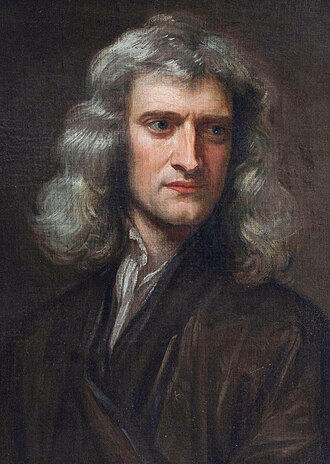 Isaac Newton1642 – 1727English mathematician and physicist (1642–1727)Source: Wikidata (citizenship)
 John Locke1632 – 1704English philosopher and physician (1632-1704)Source: Wikidata (citizenship)
 Francis Bacon1561 – 1626English philosopher and statesman (1561–1626)Source: Wikidata (citizenship)
 Geoffrey Chaucer1343 – 140014th century English poet and author (1343–1400)Source: Wikidata (citizenship)
 Thomas Hobbes1588 – 1679English philosopher (1588–1679)Source: Wikidata (citizenship)
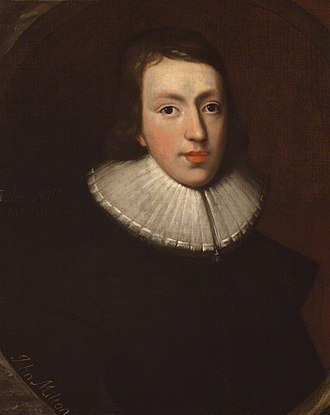 John Milton1608 – 1674English poet and civil servant (1608–1674)Source: Wikidata (citizenship)
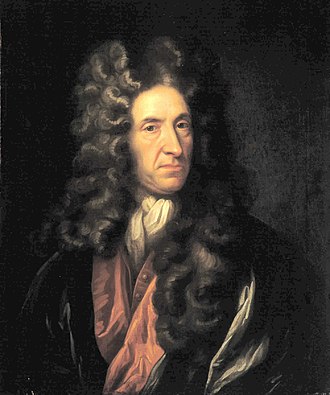 Daniel Defoe1660 – 1731English trader, writer, and journalist (1660–1731)Source: Wikidata (citizenship)
 Thomas More1478 – 1535English statesman, lawyer and philosopher (1478–1535)Source: Wikidata (citizenship)
 Oliver Cromwell1599 – 1658English military and political leader (1599–1658)Source: Wikidata (citizenship)
 Alexander Pope1688 – 1744English poet (1688–1744)Source: Wikidata (citizenship)
 Francis Drake1540 – 1596English sailor and privateer (c. 1540 – 1596)Source: Wikidata (citizenship)
 Henry VIII of England1491 – 1547King of England from 1509 to 1547 (1491–1547)Source: Wikidata (citizenship)
 Richard I of England1157 – 1199King of England from 1189 to 1199 (1157–1199)Source: Wikidata (citizenship)
 Charles I of England1600 – 1649King of England, Scotland, and Ireland from 1625 to 1649 (1600-1649)Source: Wikidata (citizenship)
 Anne Boleyn1501 – 1536Second wife of Henry VIII of England (died 1536)Source: Wikidata (citizenship)
 Robert Hooke1635 – 1703English natural philosopher, architect and polymath (1635 — 1703)Source: Wikidata (citizenship)
 John Donne1572 – 1631English poet and cleric (1572–1631)Source: Wikidata (citizenship)
 Christopher Marlowe1564 – 1593English dramatist, poet and translator (1564–1593)Source: Wikidata (citizenship)
 Mary I1516 – 1558Queen of England and Ireland from 1553 to 1558 (1516-1558)Source: Wikidata (citizenship)
 Edmond Halley1656 – 1742English astronomer, mathematician, geophysicist, meteorologist and physicist (1656–1742)Source: Wikidata (citizenship)
 Charles II of England1630 – 1685King of England, Scotland, and Ireland (1630-1685)Source: Wikidata (citizenship)
 William of Ockham1287 – 1349English Franciscan friar and theologian (c.1287–1347)Source: Wikidata (citizenship)
 John Dryden1631 – 170017th-century English poet and playwright (1631–1700)Source: Wikidata (citizenship)
 James VI and I1566 – 1625King of Scotland from 1566 to 1625, King of England and Ireland from 1603 to 1625 (1566-1625)Source: Wikidata (citizenship)
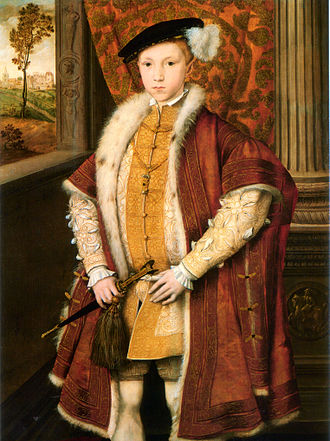 Edward VI of England1537 – 1553King of England and Ireland from 1547 to 1553Source: Wikidata (citizenship)
 Roger Bacon1220 – 1292English polymath, philosopher and friar (c.1219/20–c.1292)Source: Wikidata (citizenship)
 John, King of England1166 – 1216King of England from 1199 to 1216Source: Wikidata (citizenship)
 William Harvey1578 – 1657English physician (1578-1657)Source: Wikidata (citizenship)
 Robert Walpole1676 – 1745British statesman and art collector, 1st Earl of Orford (1676–1745)Source: Wikidata (citizenship)
 William III of England1650 – 1702King of England, Scotland, and Ireland from 1689 to 1702 (1650-1702)Source: Wikidata (citizenship)
 James II of England1633 – 1701King of England, Scotland, and Ireland from 1685 to 1688 (1633–1701)Source: Wikidata (citizenship)
 Richard III of England1452 – 1485King of England from 1483 to 1485Source: Wikidata (citizenship)
 Ben Jonson1572 – 1637English playwright, poet, and actor (1572-1637)Source: Wikidata (citizenship)
 Edward I of England1239 – 1307King of England from 1272 to 1307Source: Wikidata (citizenship)
 Henry V of England1386 – 1422King of England from 1413 to 1422Source: Wikidata (citizenship)
 Christopher Wren1632 – 1723English architect (1632–1723)Source: Wikidata (citizenship)
 Henry II of England1133 – 1189King of England from 1154 to 1189Source: Wikidata (citizenship)
 Edward III of England1312 – 1377King of England from 1327 to 1377Source: Wikidata (citizenship)
 John Wycliffec. 1320 – 1384English theologian and dissident in the Roman Catholic ChurchSource: Wikidata (citizenship)
 Henry VII of England1457 – 1509King of England from 1485 to 1509Source: Wikidata (citizenship)
 John Bunyan1628 – 1688English writer and preacher (1628–1688)Source: Wikidata (citizenship)
 Mary II of England1662 – 1694Queen of England, Scotland, and Ireland from 1689 to 1694 (1662-1694)Source: Wikidata (citizenship)
 Guy Fawkes1570 – 1606English member of the Gunpowder Plot of 1605Source: Wikidata (citizenship)
 Edmund Spenser1552 – 1599English poet (c. 1552–1599)Source: Wikidata (citizenship)
 Edward IV of England1442 – 1483King of England from 1461 to 1470 and 1471 to 1483Source: Wikidata (citizenship)
 Aphra Behn1640 – 1689British playwright, poet and spy (1640–1689)Source: Wikidata (citizenship)
 Edward II of England1284 – 1327King of England from 1307 to 1327Source: Wikidata (citizenship)
Showing the 48 best-known of 91 people.
Everything that happened
- 937 CEBattle of BrunanburhWirral PeninsulaThe Battle of Brunanburh was fought in 937 between Æthelstan, King of England, and an alliance of Olaf Guthfrithson, King of Dublin; Constantine II, King of Scotland; and Owain, King of Strathclyde.Source: Wikidata (country)
- 991 CEBattle of MaldonMaldonThe Battle of Maldon took place on 10 or 11 August 991 AD near Maldon beside the River Blackwater in Essex, England, during the reign of Æthelred the Unready. Earl Byrhtnoth and his thegns led the English against a Viking invasion. The battle ended in an Anglo-Saxon defeat.Source: Wikidata (country)
- 1016Battle of AssandunEssexThe Battle of Assandun (or Ashingdon) was fought between Danish and English armies on 18 October 1016. There is disagreement whether Assandun may be Ashdon near Saffron Walden in north Essex, England, or, as long supposed, Ashingdon near Rochford in south-east Essex. It ended in victory for the Danes, led by King Cnut, who triumphed over an English army led by King Edmund Ironside.Source: Wikidata (country)
- 1066Battle of HastingsBattleThe Battle of Hastings was fought on 14 October 1066 between the Norman-French army of William, Duke of Normandy, and an English army under the Anglo-Saxon King Harold Godwinson, beginning the Norman Conquest of England. It took place approximately 7 mi (11 km) northwest of Hastings, close to the present-day town of Battle, East Sussex, and was a decisive Norman victory.Source: Wikidata (country)
- 1066Battle of Stamford BridgeStamford BridgeThe Battle of Stamford Bridge took place at the village of Stamford Bridge, East Riding of Yorkshire, in England, on 25 September 1066, between an English army under King Harold Godwinson and an invading Norwegian force led by King Harald Hardrada and the English king's brother Tostig Godwinson. After a bloody battle, both Hardrada and Tostig, along with most of the Norwegians, were killed.Source: Wikidata (country)
- 1066Battle of FulfordFulfordThe Battle of Fulford was fought on the outskirts of the village of Fulford, just south of York in England, on 20 September 1066. King Harald III of Norway, also known as Harald Hardrada, a claimant to the English throne, and Tostig Godwinson, his English ally, fought and defeated the Northern Earls Edwin and Morcar.Source: Wikidata (country)
- 1066Norman conquest of EnglandEnglandWilliam of Normandy wins the Battle of Hastings and is crowned king of England.Source: Wikidata (country)
- 1069 – 1070Harrying of the NorthNorthern EnglandThe Harrying of the North was a series of military campaigns waged by William the Conqueror in the winter of 1069–1070 to subjugate Northern England, where the presence of the last Wessex claimant, Edgar Ætheling, had encouraged Anglo-Saxon Northumbrian, Anglo-Scandinavian and Danish rebellions.Source: Wikidata (country)
- 1138Battle of the StandardYorkshireThe Battle of the Standard, sometimes called the Battle of Northallerton, took place on 22 August 1138 on Cowton Moor near Northallerton in Yorkshire, England. English forces under William of Aumale repelled a Scottish army led by King David I of Scotland.Source: Wikidata (country)
- 1141Battle of LincolnLincolnThe Battle of Lincoln, or the First Battle of Lincoln, occurred on 2 February 1141 in Lincoln, England between King Stephen of England and forces loyal to Empress Matilda. Stephen was captured during the battle, imprisoned, and effectively deposed while Matilda ruled for a short time.Source: Wikidata (country)
- 1217Battle of LincolnLincoln CastleThe Second Battle of Lincoln occurred at Lincoln Castle on Saturday 20 May 1217, during the First Barons' War, between the forces of the future Louis VIII of France and those of King Henry III of England. Louis's forces were attacked by a relief force under the command of William Marshal, 1st Earl of Pembroke.Source: Wikidata (country)
- 1217Battle of SandwichDoverThe Battle of Sandwich, also called the Battle of Dover took place on 24 August 1217 as part of the First Barons' War. A Plantagenet English fleet commanded by Hubert de Burgh attacked a Capetian French fleet led by Eustace the Monk and Robert of Courtenay off Sandwich, Kent. The English captured the French flagship and most of the supply vessels, forcing the rest of the French fleet to return to Calais.Source: Wikidata (country)
- 1264Battle of LewesLewesThe Battle of Lewes was one of two main battles of the conflict known as the Second Barons' War. It took place at Lewes in Sussex, on 14 May 1264. It marked the high point of the career of Simon de Montfort, 6th Earl of Leicester, and made him the "uncrowned King of England". Henry III's forces left the safety of Lewes Castle and St.Source: Wikidata (country)
- 1264 – 1267Second Barons' WarEnglandThe Second Barons' War (1264–1267) was a civil war in England between the forces of barons led by Simon de Montfort against the royalist forces of King Henry III, led initially by the king himself and later by his son, the future King Edward I. The barons sought to force the king to rule with a council of barons, rather than through his favourites.Source: Wikidata (country)
- 1265Battle of EveshamEveshamThe Battle of Evesham (4 August 1265) was one of the two main battles of 13th century England's Second Barons' War. It marked the defeat of Simon de Montfort, Earl of Leicester, and the rebellious barons by the future King Edward I, who led the forces of his father, King Henry III. It took place on 4 August 1265, near the town of Evesham, Worcestershire.Source: Wikidata (country)
- 1333Battle of Halidon HillBerwick-upon-TweedThe Battle of Halidon Hill took place on 19 July 1333 when a Scottish army under Sir Archibald Douglas attacked an English army commanded by King Edward III of England (r. 1327–1377) and was heavily defeated. The year before, Edward Balliol had seized the Scottish Crown from five-year-old David II (r. 1329–1371), surreptitiously supported by Edward III.Source: Wikidata (country)
- 1346Battle of Neville's CrossNeville's CrossThe Battle of Neville's Cross took place during the Second War of Scottish Independence on 17 October 1346, half a mile (800 m) to the west of Durham, England. An invading Scottish army of 12,000 led by King David II was defeated with heavy loss by an English army of approximately 6,000–7,000 men led by Ralph Neville, Lord Neville.Source: Wikidata (country)
- 1350Battle of WinchelseaWinchelseaThe Battle of Winchelsea or the Battle of Les Espagnols sur Mer ("the Spaniards on the Sea") was a naval battle that took place on 29 August 1350 as part of the Hundred Years' War between England and France. It was a victory for an English fleet of 50 ships, commanded by King Edward III, over a Castilian fleet of 47 larger vessels, commanded by Charles de la Cerda.Source: Wikidata (country)
- 1381Peasants' RevoltEnglandThe Peasants' Revolt, also named Wat Tyler's Rebellion or the Great Uprising, was a major uprising across large parts of England in 1381. The revolt had various causes, including the socio-economic and political tensions generated by the Black Death in the 1340s, the high taxes resulting from the conflict with France during the Hundred Years' War, and instability within the local leadership of London.Source: Wikidata (country)
- 1386Treaty of WindsorWindsorThe Treaty of Windsor is a diplomatic alliance signed between the Kingdom of Portugal and the Kingdom of England on 24 February 1387 in Windsor, Berkshire, and sealed by the marriage of King John I of Portugal (House of Aviz) to Philippa of Lancaster, daughter of John of Gaunt, 1st Duke of Lancaster.Source: Wikidata (country)
- 1403Battle of ShrewsburyBattlefieldThe Battle of Shrewsbury was fought on 21 July 1403, waged between an army led by the Lancastrian King Henry IV and a rebel army led by Henry "Harry Hotspur" Percy from Northumberland. The battle, the first in which English archers fought each other on English soil, reaffirmed the effectiveness of the longbow and ended the Percy challenge to King Henry IV of England.Source: Wikidata (country)
- 1455 – 1487Wars of the RosesKingdom of EnglandThe Wars of the Roses, known at the time and in the following centuries as the Civil Wars, were a series of armed confrontations, machinations, battles and campaigns fought for control of the English throne from 1455 to 1487.Source: Wikidata (country)
- 1455First Battle of St AlbansSt AlbansThe First Battle of St Albans took place on 22 May 1455, at St Albans, 22 miles (35 km) north of London, and traditionally marks the beginning of the Wars of the Roses in England. Richard, Duke of York, and his allies, the Neville Earls of Salisbury and Warwick, defeated a royal army commanded by Edmund Beaufort, Duke of Somerset.Source: Wikidata (country)
- 1459Battle of Blore HeathBlore HeathThe Battle of Blore Heath took place during the English Wars of the Roses on 23 September 1459, at Blore Heath, Staffordshire. Blore Heath is a sparsely populated area of farmland two miles east of the town of Market Drayton in Shropshire, and close to the village of Loggerheads, Staffordshire.Source: Wikidata (country)
- 1459Rout of Ludford BridgeLudlowThe Rout of Ludford Bridge was a largely bloodless confrontation fought in the early years of the Wars of the Roses. It took place on 12 October 1459, and resulted in a setback for the Yorkists. Although this seemed to be a triumph for the rival Lancastrians at the time, they had thrown away their advantage within six months.Source: Wikidata (country)
- 1460Battle of NorthamptonNorthamptonThe Battle of Northampton was fought on 10 July 1460 near the River Nene, Northamptonshire. It was a major battle of the Wars of the Roses. The opposing forces were an army led by nobles loyal to King Henry VI of the House of Lancaster, his Queen Margaret of Anjou and their six-year-old son Edward, Prince of Wales, on one side, and the army of Edward, Earl of March, and Warwick the Kingmaker on the other.Source: Wikidata (country)
- 1460Battle of WakefieldWakefieldThe 'Battle' of Wakefield has traditionally been said to have taken place in Sandal Magna near Wakefield in northern England, on 30 December 1460. Recent research demonstrates that it was not a battle in the proper sense of a word, but a small-scale skirmish that resulted in the capture and subsequent deaths of Richard of York, 3rd Duke of York, his second son, Edmund, Earl of Rutland, and Richard Neville, 5th Earl…Source: Wikidata (country)
- 1461Battle of FerrybridgeFerrybridgeThe Battle of Ferrybridge, 28 March 1461, was a preliminary engagement between the houses of York and Lancaster before the larger battle of Towton, during the period now known as the Wars of the Roses.Source: Wikidata (country)
- 1461Battle of Mortimer's CrossHerefordshireThe Battle of Mortimer's Cross was fought on 2 February, 1461 near Kingsland, Herefordshire (between Leominster and Leintwardine, by the River Lugg), not far from the Welsh border. It was a major battle of the Wars of the Roses.Source: Wikidata (country)
- 1461Battle of TowtonTowtonThe Battle of Towton took place on 29 March 1461 during the Wars of the Roses, near Towton in North Yorkshire. Yorkist forces decisively defeated Lancastrian supporters of Henry VI, securing the English throne for Edward IV. Fought for ten hours between an estimated 50,000 soldiers from both sides in a snowstorm on Palm Sunday, it was "probably the largest and bloodiest battle on English soil".Source: Wikidata (country)
- 1461Second Battle of St AlbansSt AlbansThe Second Battle of St Albans was fought on 17 February 1461 during the Wars of the Roses in St Albans, Hertfordshire, England (the First Battle of St Albans had been fought in 1455).Source: Wikidata (country)
- 1464Battle of Hedgeley MoorHedgeley MoorThe Battle of Hedgeley Moor, 25 April 1464, took place during the Wars of the Roses. It was fought at Hedgeley Moor, north of the villages of Glanton and Powburn in Northumberland, between a Yorkist army led by John Neville, Lord Montagu and a Lancastrian army led by Henry Beaufort, Duke of Somerset. The battle ended in a Yorkist victory.Source: Wikidata (country)
- 1464Battle of HexhamHexhamThe Battle of Hexham, 15 May 1464, marked the end of significant Lancastrian resistance in the north of England during the early part of the reign of Edward IV.Source: Wikidata (country)
- 1469Battle of EdgcoteNorthamptonshireThe Battle of Edgcote (also known as the Battle of Banbury or the Battle of Danes Moor) took place on 24 July 1469, during the Wars of the Roses. It was fought between a royal army, commanded by the earls of Pembroke and Devon, and a rebel force led by supporters of the Earl of Warwick.Source: Wikidata (country)
- 1470Battle of Losecoat FieldEmpinghamThe Battle of Losecoat Field (also known as the Battle of Empingham) was fought on 12 March 1470, during the Wars of the Roses. Spellings of "Losecoat" vary, with "Losecote" and "Loose-coat" also seen.Source: Wikidata (country)
- 1471Battle of BarnetBarnetThe Battle of Barnet was a decisive Yorkist victory in the Wars of the Roses, a dynastic conflict of 15th-century England. The military action, along with the subsequent Battle of Tewkesbury, secured the throne for Edward IV.Source: Wikidata (country)
- 1471Battle of TewkesburyTewkesburyThe Battle of Tewkesbury (4 May 1471) was one of the most decisive battles of the Wars of the Roses in England.Source: Wikidata (country)
- 1485Battle of Bosworth FieldAmbion HillThe Battle of Bosworth or Bosworth Field ( BOZ-wərth) was the last significant battle of the Wars of the Roses, the civil war between the houses of Lancaster and York that extended across England and Wales in the latter half of the 15th century. Fought on 22 August 1485, the battle was won by an alliance of Lancastrians and disaffected Yorkists.Source: Wikidata (country)
- 1487Battle of Stoke FieldEast StokeThe Battle of Stoke Field, which took place at East Stoke, Nottinghamshire, on 16 June 1487, may be considered the last battle of the Wars of the Roses, since it was the last major engagement between contenders for the throne whose claims derived from descent from the houses of Lancaster and York.Source: Wikidata (country)
- 1496 – 1497Cornish rebellion of 1497Kingdom of EnglandThe Cornish rebellion of 1497 (Cornish: Rebellyans Kernow), also known as the First Cornish rebellion, was a popular uprising in the Kingdom of England, which began in Cornwall and culminated with the Battle of Deptford Bridge near London on 17 June 1497.Source: Wikidata (country)
- 1513Battle of FloddenBranxtonThe Battle of Flodden, Flodden Field, or occasionally Branxton or Brainston Moor was fought on 9 September 1513 between the Kingdom of England and the Kingdom of Scotland as part of the War of the League of Cambrai and resulted in an English victory.Source: Wikidata (country)
- 1542Battle of Solway MossSolway MossThe Battle of Solway Moss took place on Solway Moss near the River Esk on the English side of the Anglo-Scottish border in November 1542 between English and Scottish forces.Source: Wikidata (country)
- 1545Battle of the SolentThe SolentThe naval Battle of the Solent took place on 18 and 19 July 1545 during the Italian Wars, between the fleets of Francis I of France and Henry VIII of England, in the Solent, between Hampshire and the Isle of Wight. This was one of only two full-fledged naval battles fought by King Henry VIII's Tudor navy, along with the earlier Battle of Saint-Mathieu.Source: Wikidata (country)
- 1549Prayer Book RebellionKingdom of EnglandThe Prayer Book Rebellion or Western Rising was a popular revolt in Cornwall and Devon in 1549. In that year, the first Book of Common Prayer, presenting the theology of the English Reformation, was introduced. The change was widely unpopular, particularly in areas where firm Catholic religious loyalty (even after the Act of Supremacy in 1534) still existed, such as Lancashire.Source: Wikidata (country)
- 1603 – 1707Union of the CrownsKingdom of EnglandThe Union of the Crowns (Scottish Gaelic: Aonadh nan Crùintean; Scots: Union o the Crouns) was the accession of James VI of Scotland to the thrones of England and Ireland as James I on 24 March 1603, and the consequent formation of a personal union between the Kingdoms of England, Scotland, and Ireland. It followed the death of James's cousin, Elizabeth I of England, the last monarch of the Tudor dynasty.Source: Wikidata (country)
- 1639Battle of the DownsEnglish ChannelThe Battle of the Downs took place on 21 October 1639 (New Style), during the Eighty Years' War. A Spanish fleet, commanded by Admiral Antonio de Oquendo, was decisively defeated by a Dutch force under Lieutenant-Admiral Maarten Tromp.Source: Wikidata (country)
- 1642Battle of EdgehillEdgehillThe Battle of Edgehill (or Edge Hill) was a pitched battle of the First English Civil War. It was fought near Edge Hill and Kineton in southern Warwickshire on Sunday, 23 October 1642.Source: Wikidata (country)
- 1645Battle of NasebyNasebyThe Battle of Naseby took place on 14 June 1645 during the First English Civil War, near the village of Naseby in Northamptonshire. The Parliamentarian New Model Army, commanded by Sir Thomas Fairfax and Oliver Cromwell, destroyed the main Royalist army under Charles I and Prince Rupert. The defeat ended any real hope of Royalist victory, although Charles did not finally surrender until May 1646.Source: Wikidata (country)
- 1648Battle of PrestonPrestonThe battle of Preston was fought on 17 August 1648 during the Second English Civil War. A Parliamentarian army commanded by Lieutenant General Oliver Cromwell attacked a considerably larger force of Royalists under James Hamilton, Duke of Hamilton, near the Lancashire town of Preston; the Royalists were defeated with heavy losses.Source: Wikidata (country)
- 1648Pride's PurgeKingdom of EnglandPride's Purge is the name commonly given to an event that took place on 6 December 1648, when soldiers prevented members of Parliament considered hostile to the New Model Army from entering the House of Commons of England.Source: Wikidata (country)
- 1666St. James' Day BattleNorth ForelandThe St James' Day Battle took place on 25 July 1666 (4 August 1666 in the Gregorian calendar), during the Second Anglo-Dutch War. It was fought between an English fleet commanded jointly by Prince Rupert of the Rhine and George Monck, and a Dutch force under Lieutenant-Admiral Michiel de Ruyter.Source: Wikidata (country)
- 1672Battle of SolebaySouthwoldThe Battle of Solebay took place on 6 June 1672 New Style, during the Third Anglo-Dutch War, near Southwold, Suffolk, in eastern England. A Dutch fleet under Michiel de Ruyter attacked a combined Anglo-French force in one of the largest naval battles of the Age of Sail. Fighting continued much of the day, but ended at sunset without a clear victory.Source: Wikidata (country)
- 1675 – 1678King Philip's WarMassachusetts Bay ColonyKing Philip's War (1675–1678) was a colonial war in which a coalition of Algonquian tribes of the Northeastern Woodlands—the Wampanoags, the Pocomtucs, the Nipmucs, and the Narragansetts—fought against the Puritan settlers of the New England Colonies and their Indian allies—the Mohegans, the Pequots, and Christian Indians.Source: Wikidata (country of the location)
- 1685Battle of SedgemoorBridgwaterThe Battle of Sedgemoor was the final and decisive engagement of the Monmouth Rebellion, between forces loyal to James II and rebel forces led by the Duke of Monmouth. It was fought on 6 July 1685 at Westonzoyland near Bridgwater in Somerset, England.Source: Wikidata (country)
- 1688 – 1689Glorious RevolutionBritish IslesThe Glorious Revolution was the deposition of King James II of England in November 1688. He was replaced by his daughter Mary II and her Dutch husband, James's nephew William III of Orange. The two ruled as joint monarchs of England, Scotland, and Ireland until Mary's death in 1694, when William became ruler in his own right.Source: Wikidata (country)
- 1690Battle of Beachy HeadBeachy HeadThe Battle of Beachy Head, also known as the Battle of Béveziers, was a fleet action fought on 10 July 1690 during the Nine Years' War. The battle was the most significant French naval victory over their Grand Alliance opponents during the war. The Dutch lost seven ships of the line and three fire ships. Their English allies also lost one ship of the line, whereas the French did not lose a single vessel.Source: Wikidata (country)
- 1706Treaty of UnionKingdom of EnglandThe Treaty of Union is the name usually now given to the treaty which led to the creation of the new political state of Great Britain. The treaty, effective since 1707, brought the Kingdom of England (which already included Wales) and the Kingdom of Scotland together to be "United into One Kingdom by the Name of Great Britain". At the time it was more often referred to as the Articles of Union.Source: Wikidata (country)