Iran
87 events
Iran, officially the Islamic Republic of Iran, and historically known as Persia, is a country in West Asia. It borders Iraq to the west; Turkey, Azerbaijan, and Armenia to the northwest; the Caspian Sea to the north, Turkmenistan to the northeast; Afghanistan to the east; Pakistan to the southeast; and the Gulf of Oman and the Persian Gulf to the south. With a population of over 92 million, Iran ranks 17th globally in both geographic size and population. It is divided into five regions with 31 provinces. Tehran is the nation's capital and largest city and serves as its primary economic center.
Text from the Wikipedia article Iran, CC BY-SA 4.0
Built from Wikidata: an event or person is listed when Wikidata links them to this page, as shown next to each one. Many aren’t recorded there, so this list is incomplete.
Earlier states here
Key people
 Omar Khayyám1048 – 1131Persian mathematician and poet (1048–1131)Source: Wikidata (country of birthplace)
 Hafez1325 – 1389Persian poet and mystic (1325–1389)Source: Wikidata (country of birthplace)
 Abu Nuwas756 CE – 814 CE8th-century classical Arabic poetSource: Wikidata (country of birthplace)
 Ali Khamenei1939 – 2026Supreme Leader of Iran from 1989 to 2026Source: Wikidata (citizenship)
 Cyrus the Great600 BCE – 530 BCEFounder of the Achaemenid Empire (559–529 BC)Source: Wikidata (country of birthplace)
 Mahmoud Ahmadinejadb. 19566th President of the Islamic Republic of Iran from 2005 to 2013Source: Wikidata (citizenship)
 Al-Ghazali1058 – 1111Persian Sunni Muslim scholar and mystic (c.1058–1111)Source: Wikidata (country of birthplace)
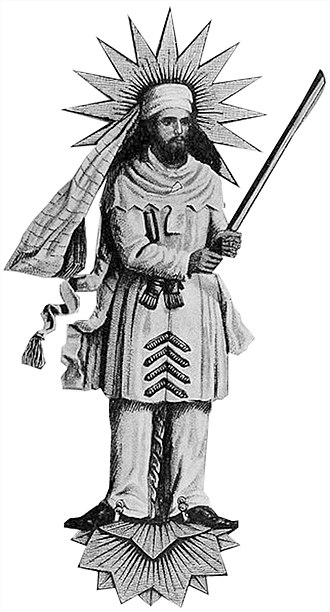 Zoroaster628 BCE – 551 BCEFounder of ZoroastrianismSource: Wikidata (country of birthplace)
 Doris Lessing1919 – 2013British novelist, poet, playwright, librettist, biographer, and short story writer (1919–2013)Source: Wikidata (country of birthplace)
 Ruhollah Khomeini1902 – 1989Supreme Leader of Iran from 1979 to 1989Source: Wikidata (citizenship)
 Ferdowsi940 CE – 1020Persian poet, author of Shahnameh (940–1020)Source: Wikidata (country of birthplace)
 Hassan Rouhanib. 1948President of Iran from 2013 to 2021Source: Wikidata (citizenship)
 Saadi1210 – 1292Persian poetSource: Wikidata (country of birthplace)
 Mohammad Khatamib. 1943President of Iran from 1997 to 2005Source: Wikidata (citizenship)
 Mohammad Reza I of Iran1919 – 1980Shah of Iran from 1941 to 1979Source: Wikidata (country of birthplace)
 Shirin Ebadib. 1947Iranian lawyer, human rights activist, and Nobel Peace Prize recipientSource: Wikidata (citizenship)
 Baháʼu'lláh1817 – 1892Founder of the Bahá'í Faith (1817–1892)Source: Wikidata (country of birthplace)
 Ebrahim Raisi1960 – 2024President of Iran from 2021 to 2024Source: Wikidata (citizenship)
 Harun al-Rashid766 CE – 809 CE5th Abbasid caliph (r. 786–809)Source: Wikidata (country of birthplace)
 Jabir ibn Hayyan721 CE – 815 CE8th-century Islamic alchemist and authorSource: Wikidata (country of birthplace)
 Abu Bakr al-Razi866 CE – 925 CEPersian polymath, physician, chemist and philosopher (854-925)Source: Wikidata (country of birthplace)
 Maryam Mirzakhani1977 – 2017Iranian mathematician (1977–2017)Source: Wikidata (citizenship)
 Narges Mohammadib. 1972Iranian human rights activist (born 1972)Source: Wikidata (citizenship)
 Mojtaba Khameneib. 19693rd Supreme Leader of Iran since 2026Source: Wikidata (citizenship)
 Masoud Pezeshkianb. 19549th President of Iran (2024-) and former Co-Interim Supreme Leader of Iran (in 2026)Source: Wikidata (citizenship)
 Jami1414 – 1492Persian poet (1414–1492)Source: Wikidata (country of birthplace)
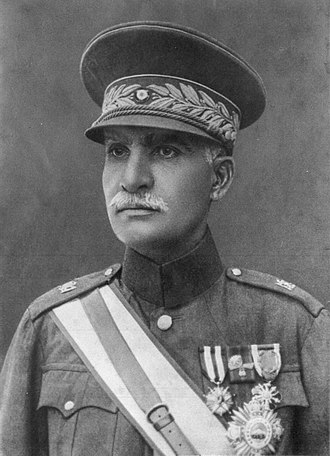 Reza Shah1878 – 1944Shah of Iran from 1925 to 1941 and founder of the Pahlavi DynastySource: Wikidata (citizenship)
 Akbar Hashemi Rafsanjani1934 – 2017Iranian politician (1934–2017)Source: Wikidata (citizenship)
 Ismail I1487 – 1524Founder and first shah of Safavid IranSource: Wikidata (country of birthplace)
 Báb1819 – 1850Founder of Bábism and, according to the Baháʼís, predecessor of Baháʼu'lláhSource: Wikidata (country of birthplace)
 Nader Shah1688 – 1747Shah of Iran (r. 1736–47) and founder of the Afsharid dynastySource: Wikidata (country of birthplace)
 Ulugh Beg1394 – 1449Timurid sultan, astronomer and mathematician (1394–1449)Source: Wikidata (country of birthplace)
 Nasir al-Din al-Tusi1201 – 1274Persian astronomer (1201–1274)Source: Wikidata (country of birthplace)
 Abbas Kiarostami1940 – 2016Iranian film director, screenwriter, photographer and film producer (1940-2016)Source: Wikidata (citizenship)
 Mohammad Mosaddegh1882 – 1967Former Prime Minister of Iran (1882–1967)Source: Wikidata (country of birthplace)
 Muslim ibn al-Ḥajjāj821 CE – 875 CEIslamic hadith scholar (821–875)Source: Wikidata (country of birthplace)
 Attar of Nishapur1145 – 1221Persian Sufi poet (c. 1145 – c. 1221)Source: Wikidata (country of birthplace)
 Muhammad ibn Jarir al-Tabari839 CE – 922 CEIranian scholar, historian and commentator on the Qur'an (839–923)Source: Wikidata (country of birthplace)
 Marjane Satrapi1969 – 2026Iranian-French graphic novelist, cartoonist, illustrator, film director, and children's book author (1969–2026)Source: Wikidata (citizenship)
 Ardashir I180 CE – 242 CEFounder of the Sassanid Empire (r. 224–242)Source: Wikidata (country of birthplace)
 Bodhidharma483 CE – 540 CEIndian-Chinese philosopher and Buddhist MonkSource: Wikidata (country of birthplace)
 Abolhassan Banisadr1933 – 2021Iranian politician and economist, and Iran's first President (1933–2021)Source: Wikidata (citizenship)
 Reza Pahlavib. 1960Son of the last Shah of IranSource: Wikidata (country of birthplace)
 Farah Pahlavib. 1938Queen/empress consort of Iran from 1959 to 1979Source: Wikidata (citizenship)
 Abdul Qadir Gilani1078 – 1166Sunni Muslim preacher, mystic and jurist (1078–1166)Source: Wikidata (country of birthplace)
 Asghar Farhadib. 1972Iranian screenwriter and film directorSource: Wikidata (citizenship)
 Anousheh Ansarib. 1966Iranian-American engineer and entrepreneur (born 1966)Source: Wikidata (citizenship)
 Moshe Katsavb. 19458th President of Israel (2000–2007)Source: Wikidata (country of birthplace)
Showing the 48 best-known of 72 people.
Everything that happened
- c. 9,000 BCE – 3,000 BCENeolithic RevolutionFertile CrescentThe Neolithic Revolution, also known as the First Agricultural Revolution, was the wide-scale transition of many human cultures during the Neolithic period in Afro-Eurasia from a lifestyle of hunting and gathering to one of agriculture and settlement, making an increasingly large population possible.Source: Wikidata (country of the location)
- 3,100 BCE – 2,700 BCEProto-ElamiteElamThe Proto-Elamite period, also known as Susa III, is a chronological era in the ancient history of the area of Elam, dating from c. 3100 BC to 2700 BC. In archaeological terms this corresponds to the late Banesh period. Proto-Elamite sites are recognized as the oldest civilization in Iran. The Proto-Elamite script is an Early Bronze Age writing system briefly in use before the introduction of Elamite cuneiform.Source: Wikidata (country)
- 647 BCEBattle of SusaSusaThe Battle of Susa was a battle involving Assyrians and Elamites. The Assyrian king Ashurbanipal, had grown tired of the Elamites' attacks on the Mesopotamians, and he decided to destroy Susa as punishment.Source: Wikidata (country)
- 553 BCE – 550 BCEMedo-Persian conflictPersisThe Medo-Persian conflict was a campaign led by the Median king Astyages against Persis in the mid 6th-century BCE. Classical sources claim that Persis had been a vassal of the Median kingdom that revolted against Median rule, but this is not confirmed by contemporary evidence.Source: Wikidata (country)
- 330 BCEBattle of the Persian GatePersian GatesThe Battle of the Persian Gate took place as part of the Wars of Alexander the Great. In the winter of 330 BC, Ariobarzanes of Persis led a last stand with his outnumbered Persian army at the Persian Gate, near Persepolis, and held back the Macedonian army for approximately a month.Source: Wikidata (country)
- 224 CEBattle of HormozdganShushtarThe Battle of Hormozdgan (also spelled Hormizdagan and Hormozgan) was the climactic battle between the Arsacid and the Sasanian dynasties that took place on 28 April 224. The Sasanian victory broke the power of the Parthian dynasty, effectively ending almost five centuries of Parthian rule in Iran, and marking the official start of the Sasanian era.Source: Wikidata (country)
- 451 CEBattle of AvarayrAvarayr PlainThe Battle of Avarayr (Armenian: Ավարայրի ճակատամարտ, romanized: Avarayri chakatamart) was fought on 26 May 451 on the Avarayr Plain in Vaspurakan between a Christian Armenian army under Vardan Mamikonian and Sassanid Persia. It is considered one of the first battles in defense of the Christian faith. Although the Persians were victorious on the battlefield, it was a pyrrhic victory.Source: Wikidata (country)
- 589 CE – 591 CESasanian civil war of 589–591Sasanian EmpireThe Sasanian civil war of 589–591 was a conflict that broke out in 589, due to the great deal of dissatisfaction among the nobles towards the rule of Hormizd IV. The civil war lasted until 591, ending with the overthrow of the Mihranid usurper Bahram Chobin and the restoration of the Sasanian family as the rulers of Iran.Source: Wikidata (country)
- 633 CE – 654 CEMuslim conquest of PersiaArab IraqThe Muslim conquest of Persia, also known as the Arab conquest of Iran, occurred between 633 and 651 CE, when the Rashidun Caliphate conquered the Sasanian Empire as part of the early Muslim conquests, which began under the Islamic prophet Muhammad in 627/628.Source: Wikidata (country of the location)
- 642 CEBattle of NahavandNahavandThe Battle of Nahavand (Arabic: معركة نهاوند Maʿrakah Nahāwand, Persian: نبرد نهاوند Nabard-e Nahâvand), also spelled Nihavand or Nahawand, was fought in 642 between the Rashidun Muslim forces under An-Numan ibn Muqarrin and Sasanian army under King Yazdegerd III. Yazdegerd escaped to the Merv area, but was unable to raise another substantial army.Source: Wikidata (country)
- 730 CEBattle of Marj ArdabilArdabilThe Battle of Marj Ardabil was a military engagement between the Umayyads and the Khazars in AD 730. A Khazar army led by Barjik, the Khazar Khagan, inflicted a catastrophic defeat on the Umayyads, killing the majority of the army and its leader, al-Jarrah ibn Abdallah. Afterwards, the Khazars sacked Azerbaijan freely at will.Source: Wikidata (country)
- 856 CE856 Damghan earthquakeDamghanThe Damghan earthquake or the Qumis earthquake occurred on 22 December 856 (242 AH) in Khorasan province, Abbasid Caliphate. The earthquake had an estimated magnitude of 7.9, and a maximum intensity of X (Extreme) on the Mercalli intensity scale.Source: Wikidata (country)
- 869 CE – 883 CEZanj RebellionAhvazThe Zanj Rebellion (Arabic: ثورة الزنج Thawrat al-Zanj / Zinj) was a major revolt against the Abbasid Caliphate, which took place from 869 until 883. Begun near the city of Basra in present-day southern Iraq and led by one Ali ibn Muhammad, the insurrection involved both enslaved and freed Africans (collectively termed "Zanj" in this case) exported in the Indian Ocean slave trade and transported to slavery in the…Source: Wikidata (country)
- 1514Battle of ChaldiranChaldoranThe Battle of Chaldiran (Persian: جنگ چالدران; Turkish: Çaldıran Savaşı) took place on 23 August 1514 and ended with a decisive victory for the Ottoman Empire over the Safavid Empire. As a result, the Ottomans annexed Eastern Anatolia and Upper Mesopotamia from Safavid Iran. It marked the first Ottoman expansion into Eastern Anatolia, and the halt of the Safavid expansion to the west.Source: Wikidata (country)
- 1603 – 1618Ottoman–Safavid warAzerbaijan (Iran)The Ottoman–Safavid war of 1603–1612 consisted of two wars between Safavid Iran under Shah Abbas I and the Ottoman Empire under Mehmed III and his son Ahmed I. The first war began in 1603 and ended with a Safavid victory in 1612, when they regained and reestablished their suzerainty over the Caucasus and Western Iran, which had been lost at the Treaty of Constantinople in 1590.Source: Wikidata (country of the location)
- 1722Battle of GulnabadJilanabadThe Battle of Gulnabad (Pashto: د ګلون اباد جګړه, romanized: Dh Gulonābād Jaghrha; Persian: نبرد گلونآباد, romanized: Nabard-e Golūnābād) was fought between the military forces from the Hotak dynasty and the army of the Safavid Empire on Sunday, March 8, 1722. It further cemented the eventual fall of the Safavid dynasty, which had been declining for decades.Source: Wikidata (country)
- 1722Siege of IsfahanIsfahanThe siege of Isfahan (Persian: سقوط اصفهان) was a six-month-long siege of Isfahan, the capital of the Safavid dynasty of Iran, by the Hotaki-led Afghan army. It lasted from March to October 1722 and resulted in the city's fall and the beginning of the end of the Safavid dynasty.Source: Wikidata (country)
- 1727Treaty of HamedanHamadanThe Treaty of Hamedan was a treaty between the Ottoman Empire and the Hotak dynasty signed in October 1727 in Hamedan, ending the Ottoman–Hotaki War (1726–1727).Source: Wikidata (country of the location)
- 1729Battle of DamghanMehmandustThe Battle of Damghan (Persian: نبرد دامغان) or Battle of Mehmandoost (Persian: نبرد مهماندوست) was fought on 29 September to 5 October 1729, near the city of Damghan. It resulted in an overwhelming victory for Nader and the Safavid cause he had taken up.Source: Wikidata (country)
- 1732Treaty of ReshtRashtThe Treaty of Resht was signed between the Russian Empire and Safavid Empire in Rasht on 21 January 1732. According to this treaty Russia waived its claim to any territory south of the Kura River. This included return of the provinces of Gilan, Mazandaran, and Astarabad, conquered by Peter I in the early 1720s. The Iranian cities of Derbent, Tarki, Ganja, etc.Source: Wikidata (country of the location)
- 1798 – 1802War of the Second CoalitionItalian PeninsulaThe War of the Second Coalition (French: Guerre de la Deuxième Coalition) (1798–1802) was the second war between revolutionary France and a coalition of European monarchies, led by Britain, Austria and Russia, and including the Ottoman Empire, Portugal, Naples and various German monarchies. Prussia did not join the coalition, while Spain supported France.Source: Wikidata (country of the location)
- 1890 – 1892Tobacco ProtestTehranThe Persian Tobacco Protest (Persian: نهضت تنباکو, romanized: nehzat-e tanbāku) was a Twelver Shia Muslim revolt in Qajar Iran against an 1890 tobacco concession granted by Naser al-Din Shah Qajar to the British Empire, granting control over growth, sale, and export of tobacco to an Englishman, Major G. F. Talbot.Source: Wikidata (country of the location)
- 1905 – 1911Constitutionalization attempts in IranIranThe Iranian Constitutional Revolution was a short-lived push for democratic rule in the form of a constitutional monarchy within a highly elitist yet decentralized society under the Qajars.Source: Wikidata (country)
- 1914 – 1918World War IFull storyEurope, Middle East, Africa, AsiaFour years of war that killed millions, destroyed four empires and redrew the map of Europe and the Middle East.Source: Wikidata (country of the location)
- 1914 – 1918Middle Eastern theatre of World War ICentral AsiaThe Middle Eastern theatre of World War I saw action between 30 October 1914 and 30 October 1918. The combatants were, on one side, the Ottoman Empire (with the help of a great number of Kurdish tribes and Circassians, and the relative majority of Arabs), with some assistance from the other Central Powers; and on the other side, the British (with the help of a small number of Jews, Greeks, Armenians, some Kurdish…Source: Wikidata (country of the location)
- 1915 – 1920Jungle Movement of GilanQajar IranThe Jangal (Forest or Jungle) Movement (Persian: جنبش جنگل) was a rebellion against the monarchist central government of the Sublime State of Iran in Gilan, which lasted from 1915 to 1921.Source: Wikidata (country)
- 19211921 Persian coup d'étatTehran1921 Iranian coup d'état, known in Iran as 3 Esfand 1299 coup d'état (Persian: کودتای ۳ اسفند ۱۲۹۹ with the Solar Persian date), refers to several major events in Qajar Iran in 1921, which eventually led to the deposition of the Qajar dynasty and the establishment of the Pahlavi dynasty as the ruling house of Iran in 1925.Source: Wikidata (country of the location)
- 1937Treaty of SaadabadTehranThe Treaty of Saadabad (or the Saadabad Pact) was a non-aggression pact signed by Turkey, Iran, Iraq, and Afghanistan on 8 July 1937, and lasted for five years. The treaty was signed in Tehran's Saadabad Palace and was part of an initiative for greater Middle Eastern-oriental relations spearheaded by King Mohammed Zahir Shah of Afghanistan.Source: Wikidata (country of the location)
- 1939 – 1945World War IIWorldwideThe deadliest conflict in history, fought between the Allies and the Axis powers. It ends with the surrender of Germany and Japan in 1945.Source: Wikidata (country of the location)
- 1943Tehran ConferenceTehranThe Tehran Conference (codenamed Eureka) was a strategy meeting of the Allies of World War II, held between Joseph Stalin, Franklin D. Roosevelt, and Winston Churchill from 28 November to 1 December 1943.Source: Wikidata (country of the location)
- 1945 – 1946Iran crisis of 1946IranThe Iran crisis of 1946, also known as the Azerbaijan crisis (Persian: غائلهٔ آذربایجان, romanized: Qā'ele-ye Āzarbāyejān) in Iranian sources, was one of the first crises during the aftermath of World War II, sparked by the refusal of Joseph Stalin's Soviet Union to relinquish occupied Iranian territory despite repeated assurances.Source: Wikidata (country of the location)
- 19531953 Iranian coup d'étatTehranOn 19 August 1953, Prime Minister of Iran Mohammad Mosaddegh was overthrown in a coup d'état that strengthened the rule of Mohammad Reza Pahlavi, the Shah of Iran. It was instigated by the United Kingdom (MI6), under the name Operation Boot and the United States (CIA), under the name TP-AJAX Project or Operation Ajax.Source: Wikidata (country of the location)
- 1963 – 1979White RevolutionIranThe White Revolution (Persian: انقلاب سفید, romanized: Enqelâb-e Sefid) or the Shah and People Revolution (Persian: انقلاب شاه و مردم, romanized: Enqelâb-e Šâh o Mardom) was a series of reforms to modernize the Imperial State of Iran launched on 26 January 1963 by the Shah, Mohammad Reza Pahlavi, and ended with his overthrow in 1979.Source: Wikidata (country)
- 1967Six-Day WarMiddle EastIn six days in June 1967, Israel defeats Egypt, Jordan and Syria and takes control of the West Bank, East Jerusalem, Gaza, the Sinai Peninsula and the Golan Heights.Source: Wikidata (country of the location)
- 1973October (Yom Kippur) WarSinai and Golan HeightsEgypt and Syria launch a surprise attack in October 1973 to win back land lost in 1967. The war also triggers an Arab oil embargo against Western supporters of Israel.Source: Wikidata (country of the location)
- 1978 – 1979Iranian RevolutionIranThe Iranian Revolution, also known as the Islamic Revolution, culminated in the overthrow of the Pahlavi dynasty in 1979. The revolution led to the replacement of the Imperial State of Iran by the Islamic Republic of Iran, as the monarchical government of Shah Mohammad Reza Pahlavi was superseded by Ruhollah Khomeini, an Islamist cleric who had headed one of the rebel factions, and became the country’s supreme…Source: Wikidata (country)
- 1978Black FridayTehranBlack Friday (Persian: جمعه سیاه, romanized: Jom'e-ye Siyāh) was a mass shooting on 8 September 1978 (17 Shahrivar 1357 in the Solar Hijri calendar) in Pahlavi Iran, during which the Imperial Army of Iran killed 64 civilians and injured 205 in Jaleh Square (Persian: میدان ژاله, romanized: Meydān-e Zhāleh), Tehran. According to Spencer C. Tucker, 30 government security forces were also killed.Source: Wikidata (country of the location)
- 1978Cinema Rex fireAbadanThe Cinema Rex fire (Persian: آتشسوزی سینما رکس آبادان, lit. 'Rex Abadan cinema fire') occurred on 19 August 1978 when the Cinema Rex in Abadan, Iran, was set ablaze, killing between 377 and 470 people. The event started when four individuals, who were militants motivated by Islamic extremism, doused the building with airplane fuel before setting it alight.Source: Wikidata (country of the location)
- 1979 – 1981Iran hostage crisisTehranThe Iran hostage crisis (Persian: بحران گروگانگیری سفارت آمریکا) began on November 4, 1979, when 66 Americans, including diplomats and other civilian personnel, were taken hostage at the Embassy of the United States in Tehran, with 52 of them being held until the end of the crisis on January 20, 1981.Source: Wikidata (country)
- 19791979 International Women's Day protests in TehranIranOn International Women's Day on 8 March 1979, a women's march took place in Tehran, Iran. The march was originally intended to celebrate the International Women's Day, but transformed into massive protests against the changes taking place in women's rights during the Iranian Revolution, specifically the introduction of mandatory hijab (veiling), which had been announced the day before.Source: Wikidata (country)
- 19791979 Iranian Islamic Republic referendumIranA referendum on establishing an Islamic republic was held in Iran on 30 and 31 March 1979. It took place in the aftermath of the Iranian Revolution, which led to the overthrow of the Pahlavi dynasty on 11 February 1979 and the rise of Ayatollah Ruhollah Khomeini as Iran's de facto leader. Voters were asked whether the country should be transformed into an "Islamic Republic", to replace the outgoing Imperial State.Source: Wikidata (country)
- 1980 – 1988Iran–Iraq WarIranThe Iran–Iraq War, also called the First Imposed War, Eight-Year War, or Sacred Defense by Iran, began with the Iraqi invasion of Iran in September 1980. After eight years of conflict, both countries accepted a ceasefire deal brokered by the United Nations, which became effective in August 1988.Source: Wikidata (country of the location)
- 1980Battle of KhorramshahrKhorramshahrThe First Battle of Khorramshahr was a major battle in the Iran–Iraq War, beginning shortly after the Iraqi invasion of Iran in September 1980. Amidst the gruelling urban warfare in and around the city, Khorramshahr came to be referred to by the Iranians as Khuninshahr (Persian: خونین شهر, lit. 'City of Blood'), as both sides had suffered heavy casualties in combat.Source: Wikidata (country)
- 1980Operation Eagle ClawTehranOperation Eagle Claw (Persian: عملیات پنجه عقاب) was a failed United States Department of Defense attempt to rescue 52 embassy staff held captive by Revolutionary Iran on 24 April 1980. It was ordered by U.S. president Jimmy Carter after the staff were seized at the Embassy of the United States, Tehran. The operation, one of Delta Force's first, encountered many obstacles and failures and was subsequently aborted.Source: Wikidata (country)
- 1980 – 1981Siege of AbadanAbadanThe siege of Abadan was the encirclement of the city by Iraqi forces beginning in November 1980. The city had already been under almost daily bombardment since the early days of the war, which began the previous September.Source: Wikidata (country)
- 1981Operation NasrDezfulOperation Nasr, also known as Operation Hoveyzeh, was a major battle in the Iran–Iraq War fought in early January 1981. It was the biggest tank battle of the war.Source: Wikidata (country)
- 1982Battle of KhorramshahrKhorramshahrThe Second Battle of Khorramshahr, also known in Iran as the Liberation of Khorramshahr (Persian: آزادسازی خرمشهر, romanized: Âzâdsâzī-ye Khorramshahr) was the Iranian recapture of the city of Khorramshahr on 24 May 1982, during the Iran–Iraq War. The city had been captured by the Iraqis earlier in the war, on 26 October 1980, shortly after the Iraqi invasion of Iran.Source: Wikidata (country)
- 1982Operation Fath ol-MobinKhuzestan ProvinceOperation Fath-ol-Mobin (Persian: عملیات فتحالمبین, a Quranic phrase meaning "Undeniable Victory" or "Manifest Victory") was a major Iranian military operation conducted during the Iran–Iraq War, in March 1982 and resulted to the Battle of Shush. The operation was led by Lt. General Ali Sayad Shirazi and was conducted in four phases.Source: Wikidata (country of the location)
- 1984 – 1988Tanker warPersian GulfThe tanker war, part of the larger Iran–Iraq War, was a series of military attacks by Iran and Iraq against merchant vessels in the Persian Gulf and Strait of Hormuz from 1981 to 1988. Iraq was responsible for 283 attacks. Iran accounted for 168.Source: Wikidata (country of the location)
- 1988Iran Air Flight 655Kish IslandIran Air Flight 655 was an international scheduled passenger flight from Tehran to Dubai via Bandar Abbas that was shot down on 3 July 1988 by two surface-to-air missiles fired by USS Vincennes, a United States Navy warship.Source: Wikidata (country of the location)
- 19901990 Manjil–Rudbar earthquakeRudbar CountyThe 1990 Manjil–Rudbar earthquake (Persian: زمینلرزه ۱۳۶۹ رودبار و منجیل; Gilaki: زلزله رودبار) occurred on Thursday, 21 June 1990 at 00:30:14 local time in the Caspian Sea region of northern Iran. The shock had a moment magnitude of 7.4 and a Mercalli Intensity of X (Extreme). Devastation occurred in a 20,000 km2 (7,700 sq mi) area, causing extensive damage in several cities.Source: Wikidata (country)
- 19971997 Qayen earthquakeIranAn earthquake struck northern Iran's Khorasan Province in the vicinity of Qaen on May 10, 1997, at 07:57 UTC (12:57 local time). The largest in the area since 1990, the earthquake registered 7.3 on the moment magnitude scale and was centered approximately 270 kilometers (170 mi) south of Mashhad on the village of Ardekul.Source: Wikidata (country)
- 20032003 Bam earthquakeIranAn earthquake struck the Kerman province of southeastern Iran at 01:56 UTC (5:26 am Iran Standard Time) on December 26, 2003. The Mw 6.6 (Ms 6.8–7.0) strike-slip shock had a maximum Mercalli intensity of X (Extreme). The earthquake was particularly destructive in Bam and Baravat, with 34,000 fatalities and 200,000 injuries officially reported.Source: Wikidata (country)
- 2006International Conference to Review the Global Vision of the HolocaustTehranThe International Conference to Review the Global Vision of the Holocaust was a two-day meeting in Tehran, Iran, that began on 11 December 2006. It was hosted by the Iranian government of Mahmoud Ahmadinejad, whose foreign minister Manouchehr Mottaki stated that it had been organized "neither to deny nor prove the Holocaust...Source: Wikidata (country)
- 20112011 British Embassy in Iran attackgarden and British EmbassyOn 29 November 2011, a crowd of Iranian protesters gathered outside the British Embassy in the central Jomhouri district of Tehran before a faction of hardline students and demonstrators stormed the compound and a separate British diplomatic site in northern Tehran known as Gholhak Garden.Source: Wikidata (country)
- 20112011 Van earthquakesVan ProvinceThe 2011 Van earthquakes occurred in eastern Turkey near the city of Van. The first earthquake happened on 23 October at 13:41 local time. The shock had a Mww magnitude of 7.1 and a maximum Mercalli intensity of VIII (Severe). It occurred at a shallow depth, causing heavy shaking across much of eastern Turkey and lighter tremors across neighboring parts of the South Caucasus and Levant.Source: Wikidata (country)
- 20132013 Balochistan earthquakesPakistanThe 2013 Balochistan earthquakes were the deadliest to affect Pakistan since 2005. The mainshock, occurring on 24 September, had a moment magnitude of 7.8 and maximum Mercalli intensity of IX (Violent). It had an epicenter located in Awaran District, 113 km (70 mi) northwest of Bela. The mainshock killed over 820 people, injured hundreds of others, and left 100,000 people homeless.Source: Wikidata (country)
- 20132013 Bushehr earthquakeIranThe 2013 Bushehr earthquake occurred with a moment magnitude of 6.3 on April 9 in Iran. The shock's epicenter was in the province of Bushehr, near the city of Khvormuj and the towns of Kaki and Shonbeh. At least 37 people were killed, mostly from the town of Shonbeh and villages of Shonbeh-Tasuj district, and an estimated 850 people were injured.Source: Wikidata (country)
- 20132013 Saravan earthquakeIranThe 2013 Saravan earthquake occurred with a moment magnitude of 7.7 at 15:14 pm IRDT (UTC+4:30) on 16 April. The shock struck a mountainous area between the cities of Saravan and Khash in Sistan and Balochistan province, Iran, close to the border with Pakistan, with a duration of about 25 seconds.Source: Wikidata (country)
- 2017 – 20182017–2018 Iranian protestsIranPublic protests took place in several cities in Iran beginning on 28 December 2017 and continued into early 2018, sometimes called the Dey protests. The first protest took place in Mashhad, Iran's second-largest city by population, initially focused on the economic policies of the country's government; as protests spread throughout the country, their scope expanded to include political opposition to the theocratic…Source: Wikidata (country)
- 20172017 Iran–Iraq earthquakeIranOn 12 November 2017 at 18:18 UTC (21:48 Iran Standard Time, 21:18 Arabia Standard Time), an earthquake with a moment magnitude of 7.4 occurred on the Iran–Iraq border, with the Iraqi Kurdish city of Halabja, and the Kurdish dominated places of Ezgeleh, Salas-e Babajani County, Kermanshah province in Iran, closest to the epicentre, 30 kilometres (19 mi) south of the city of Halabja, Iraqi Kurdistan.Source: Wikidata (country)
- 20172017 Tehran attacksTehranA series of two simultaneous terrorist attacks were carried out on 7 June 2017 by five terrorists belonging to the Islamic State of Iraq and the Levant (ISIL) against the Iranian Parliament building and the Mausoleum of Ruhollah Khomeini, both in Tehran, Iran, leaving 17 civilians dead and 43 wounded.Source: Wikidata (country)
- 2018Ahvaz military parade attackAhvazOn 22 September 2018, a military parade was attacked by gunmen in the southwestern Iranian city of Ahvaz. The shooters killed 25 people, including soldiers of the Islamic Revolutionary Guard Corps (IRGC) and civilian bystanders. It was the deadliest terrorist attack in Iran since the Chabahar suicide bombing in December 2010.Source: Wikidata (country)
- 2018February 2018 Israel–Syria incidentLevantOn 10 February 2018, an Israeli F-16 was shot down by the Syrian air defenses after conducting an air raid on Iran-backed positions inside Syrian territory. The aircraft was part of a larger Israeli aerial dispatch which Israel said was sent in response to detection of an Iranian drone spying on Israel.Source: Wikidata (country)
- 20192019–2020 Iranian protestsIranThe 2019–2020 Iranian protests, sometimes known by the protesters as Bloody November or (using the Iranian calendar) Bloody Aban (Persian: آبان خونین), were a series of nationwide civil protests in Iran that took place in 2019 and 2020.Source: Wikidata (country)
- 2019Mahshahr massacreMahshahrThe Mahshahr massacre (Persian: قتلعام ماهشهر) refers to the mass killing of protesters in the city of Mahshahr, Iran, which occurred between 16 November and 20 November 2019, during the 2019–2020 Iranian protests. Estimates of fatalities range between 40 and 148.Source: Wikidata (country)
- 2019 – 2020Persian Gulf crisisWest AsiaIran–United States relations during the first Trump administration (2017–2021) were marked by a sharp policy shift from Obama's engagement-oriented approach. Trump began with a travel ban affecting Iranian citizens, and withdrew from the Joint Comprehensive Plan of Action (JCPOA).Source: Wikidata (country)
- 2020COVID-19 pandemicWorldwideA new coronavirus spreads worldwide. Lockdowns, remote work and fast-developed vaccines reshape daily life.Source: Wikidata (country)
- 2020Operation Martyr SoleimaniAl Asad AirbaseOn 8 January 2020, Iran's Islamic Revolutionary Guard Corps (IRGC) conducted Operation Martyr Soleimani (Persian: عملیات شهید سلیمانی), launching over 12 ballistic missiles against the United States Armed Forces at al-Asad Airbase in Al Anbar Governorate, Iraq, as well as another airbase in Erbil, in response to the assassination of Major General Qasem Soleimani by a U.S. drone strike.Source: Wikidata (country)
- 2022 – 2023Mahsa Amini protestsTehranCivil unrest and protests against the government of the Islamic Republic of Iran associated with the death in police custody of Mahsa Amini (Persian: مهسا امینی) began on 16 September 2022 and carried on into 2023, but by spring 2023, the protests had largely subsided, ultimately leaving the political leadership unchanged and firmly entrenched in power.Source: Wikidata (country)
- 20222022 Shah Cheragh attackShah Cheragh shrineThe Shah Cheragh attack (Persian: حمله به حرم شاهچراغ) was a mass shooting that occurred on 26 October 2022 at Shah Cheragh mosque, a Shia pilgrimage site in Shiraz in southern Iran, in which at least 13 people were killed. The Islamic State claimed responsibility for the attack. Iranian authorities condemned the attacks.Source: Wikidata (country)
- 2023Gaza warLevantThe Gaza war is an armed conflict in the Gaza Strip and Israel, fought as part of the unresolved Israeli–Palestinian and Gaza–Israel conflicts. The war began on 7 October 2023, when Palestinian militant group Hamas led an attack on Israel, in which 1,195 Israelis and foreign nationals were killed and 251 were taken hostage.Source: Wikidata (country)
- 2023Red Sea crisisMiddle EastThe Red Sea crisis is an ongoing armed conflict and maritime crisis instigated by the Houthis, an armed group in Yemen fighting a civil war against the country's internationally recognized government.Source: Wikidata (country of the location)
- 2024April 2024 Israeli strikes on IranIsfahanOn 19 April 2024 at 5:23 a.m. IRST, the Israeli Air Force launched airstrikes targeting an air defense facility within Iran. The limited airstrikes targeted an air defense radar site at an airbase near Isfahan, in central Iran. Israeli missiles appear to have hit their target directly. Satellite images suggest that a surface-to-air missile battery was damaged or destroyed.Source: Wikidata (country)
- 2024Assassination of Ismail HaniyehTehranOn 31 July 2024, Ismail Haniyeh, the political leader of Hamas, was assassinated along with his personal bodyguard in the Iranian capital Tehran by an Israeli attack. Haniyeh was killed in his accommodation in a military-run guesthouse after attending the inauguration ceremony for Iranian president Masoud Pezeshkian.Source: Wikidata (country)
- 2024October 2024 Israeli strikes on IranTehranOn 26 October 2024, Israel launched three waves of strikes against 20 locations in Iran and other locations in Iraq, and Syria, codenamed Operation Days of Repentance (Hebrew: מבצע ימי תשובה) by Israel. It was the largest attack on Iran since the Iran–Iraq War. Israel said the strikes were launched in response to the Iranian strikes against Israel earlier that month.Source: Wikidata (country)
- 2024Operation Marg Bar SarmacharSistan and Baluchestan ProvinceOn 16 January 2024, Iran carried out a series of missile and drone strikes within Pakistan's Balochistan province, claiming that it had targeted the Iranian Baloch Sunni militant group Jaysh al-Adl. According to Pakistan, the strikes resulted in the deaths of two children and injured four people.Source: Wikidata (country)
- 2025 – 20262025–2026 Iranian protestsIranThe 2025–2026 Iranian protests were a series of nationwide demonstrations against the government of Iran that began on 28 December 2025 amid a deepening economic crisis. The unrest followed a sharp depreciation of the Iranian rial, rising inflation, and widespread shortages linked to international sanctions and government mismanagement.Source: Wikidata (country)
- 20252025 United States strikes on Iranian nuclear sitesFordow Uranium Enrichment PlantOn June 22, 2025, the United States Air Force and Navy attacked three nuclear facilities in Iran as part of the Twelve-Day War, under the code name Operation Midnight Hammer.Source: Wikidata (country)
- 2025June 2025 Israeli strikes on IranIsfahanThis is a list of airstrikes and bombardments during the Twelve-Day War. The war began on 13 June 2025, when Israel attacked targets at more than a dozen locations across Iran.Source: Wikidata (country)
- 2025Twelve-Day WarMiddle EastThe Twelve-Day War was an armed conflict between Iran and Israel which lasted from 13 to 24 June 2025. It began when Israel bombed military and nuclear facilities in Iran in a surprise attack, assassinating prominent military leaders, nuclear scientists, and politicians, killing civilians, and damaging or destroying air defenses.Source: Wikidata (country)
- 20252025–2026 Iran massacresIranThe 2025–2026 Iran massacres were a series of mass killings of civilians by the Iranian government during the 2025–2026 Iranian protests, deploying both its own security forces and importing foreign militias to suppress public dissent nationwide.Source: Wikidata (country)
- 2025Port of Shahid Rajaee explosionShahid Rajai PortOn 26 April 2025, an explosion and fire occurred at the Port of Shahid Rajaee in southern Iran, which is part of Bandar Abbas's larger port infrastructure, killing 57 people and injuring over 1,000 others, according to state media reports.Source: Wikidata (country)
- 20262026 Iran warTehranSince 28 February 2026, the United States and Israel have been at war with Iran and its regional allies. The war follows the Twelve-Day War in June 2025 and sporadic fighting during the Middle Eastern crisis sparked by the Gaza war, which began in 2023.Source: Wikidata (country)
- 20262026 Minab school attackShajareh Tayyebeh SchoolOn 28 February 2026, the first day of the 2026 Iran war, the United States (US) Armed Forces struck the Shajareh Tayyebeh Elementary School in Minab, Hormozgan province in southern Iran with a Tomahawk missile, before following up with others in close proximity, directly killing 156 civilians, including 120 schoolchildren, 35 adults, and a fetus.Source: Wikidata (country)
- 2026Assassination of Ali KhameneiOffice of the Supreme Leader of Iran ComplexOn 28 February 2026, Ali Khamenei, the supreme leader of Iran, was assassinated in Tehran as part of a series of Israeli airstrikes aimed at high-ranking Iranian officials. Khamenei's death was confirmed by the Iranian government on 1 March.Source: Wikidata (country)
- 2026Assassination of Ali LarijaniTehranOn 17 March 2026, Ali Larijani, the secretary of the Supreme National Security Council, was assassinated in Tehran as part of a series of Israeli airstrikes aimed at high-ranking Iranian officials. His death occurred as part of the 2026 Iran war, which began on 28 February with airstrikes on various Iranian targets by the United States and Israel.Source: Wikidata (country)